











Camino de Santiago Training Plan: 8 Weeks
In brief
Preparation depends on where you are starting from and the stages you want to walk. Begin with walks you tolerate well, gradually add time and varied terrain, and test your footwear and backpack; eight weeks is a guide, not a guarantee.
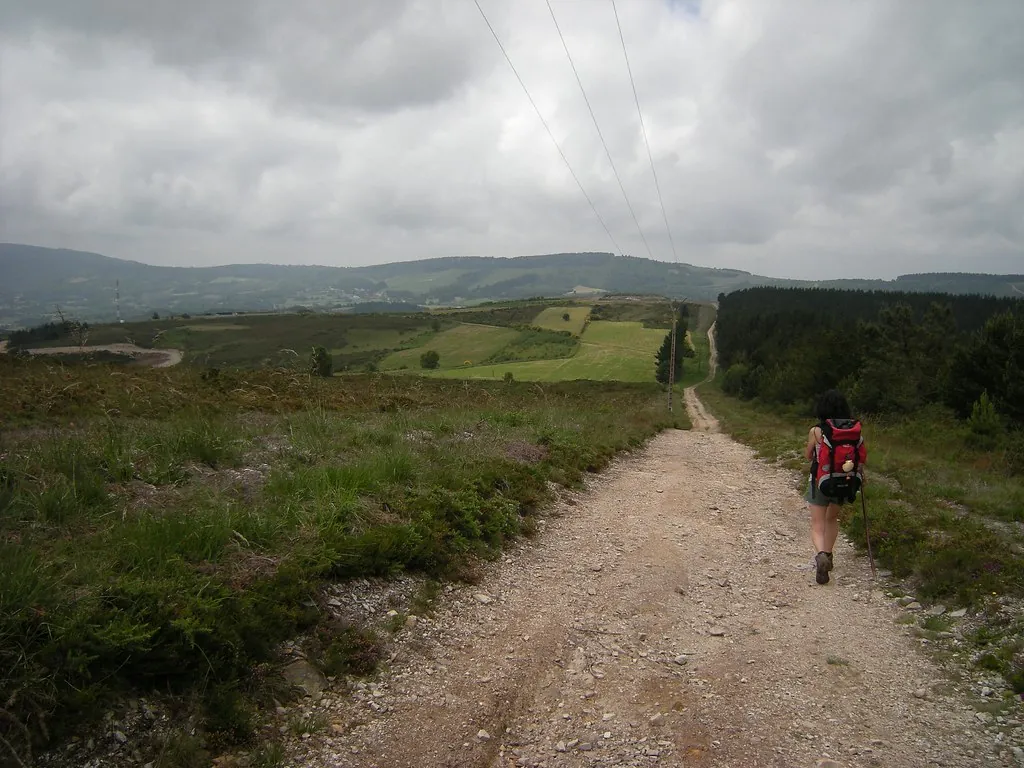
Preparation depends on where you are starting from and the stages you want to walk. Begin with walks you tolerate well, gradually add time and varied terrain, and test your footwear and backpack; eight weeks is a guide, not a guarantee.
At a glance
- If you do little walking now, begin with short outings you can repeat without pain or accumulated fatigue. There is no shared minimum distance: repeat or shorten a session if you are not recovering well, and allow time to rest.
- Your benchmark is your chosen day, its terrain and your actual load, rather than a kilometre test. Check how you feel the following day too. If you have to push hard to finish, shorten your stages before travelling.
How should you follow this 8-week training plan?
This plan is an adaptable example, not a requirement to train four days or carry a set load. Its times, distances and weights are guides: start lower if necessary, repeat weeks and reduce the effort if you develop discomfort.
Use the gear you plan to take from the outset. Adjust your backpack and check what to pack for the Camino de Santiago before adding unnecessary weight. If you are unsure about footwear, decide between boots and walking shoes for the Camino well in advance: wearing them for the first time on departure day is a bad idea.
Tailor your walks to the route profile you expect: training for the French Way, 772 km over 33 stages is not the same as preparing for the Northern Way, 822 km over 36 stages, which is rated difficult.
Weeks 1 and 2: how can you build a base without overdoing it?
Use these weeks to establish the habit and see how your legs, back and feet respond. Keep a moderate pace and deal with any rubbing before it turns into a blister.
- Monday: walk for 30 minutes at a moderate pace.
- Wednesday: walk for 45 minutes, followed by 15 minutes of stretching.
- Friday: walk for 30 minutes, then do squats and lunges, 3 sets of 15 repetitions.
- Sunday: walk for 1 hour with a 5 kg backpack.
Consistency matters more than distance. Use this time to adjust the shoulder straps and hip belt, test your socks and check your footwear after each walk.
Weeks 3 and 4: how should you increase distance and weight?
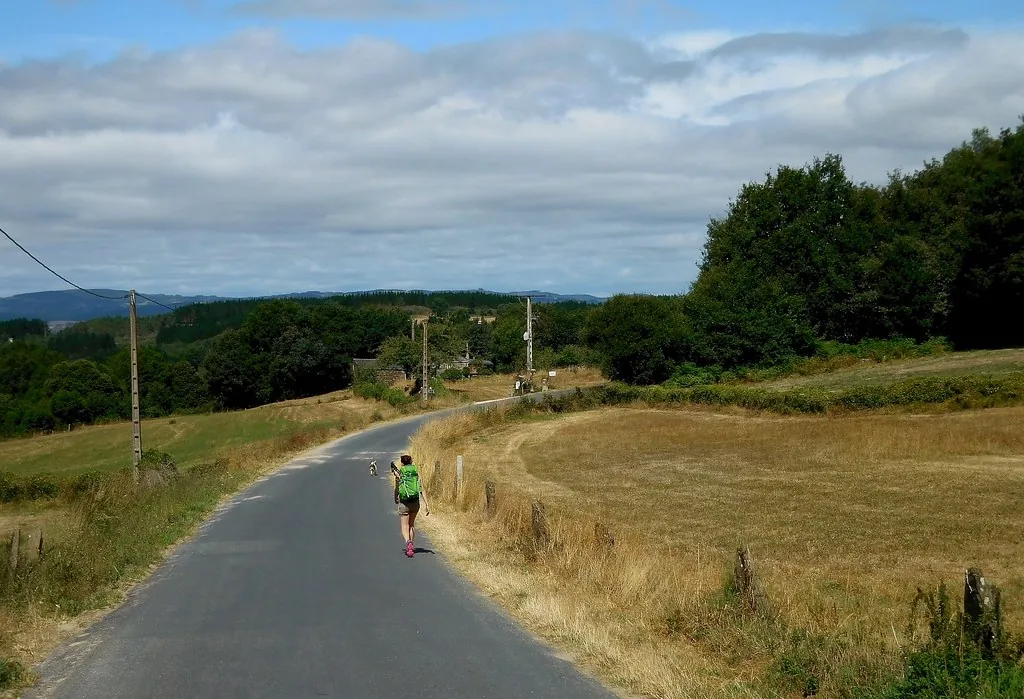
Now you will extend your walks and add more weight. Maintain a natural stride and do not turn every session into a speed test.
- Monday: walk for 45 minutes with a 6 kg backpack.
- Wednesday: brisk walk for 1 hour.
- Friday: walk for 45 minutes, then do squats, calf raises and core exercises.
- Sunday: walk for 2 hours over varied terrain with a 7 kg backpack.
When you finish, check the soles of your feet, your heels and your toes. Our guide to foot care on the Camino will help you make this check part of your routine.
Weeks 5 and 6: how can you simulate a day on the Camino?
Get as close as possible to real Camino conditions: use your final backpack, chosen footwear, uneven terrain and hills. Do not introduce any new gear during your long walk; make sure everything works well together.
- Monday: walk for 1 hour with your final backpack loaded to 8-9 kg.
- Wednesday: walk for 1 hour and 30 minutes on a route with elevation gain.
- Friday: strength exercises and a full stretching session.
- Sunday: walk 15-20 km with your fully loaded backpack and Camino footwear.
Identify where any discomfort develops and correct the fit of your gear. If you notice a friction point, act early and review how to prevent and treat blisters.
Weeks 7 and 8: how should you complete your final test and arrive rested?
Week 7 consolidates your training with a dress rehearsal, while week 8 reduces the load. Tapering means maintaining the habit while giving your body time to recover.
- Monday: gentle 1-hour walk.
- Wednesday: walk for 1 hour, followed by yoga or stretching.
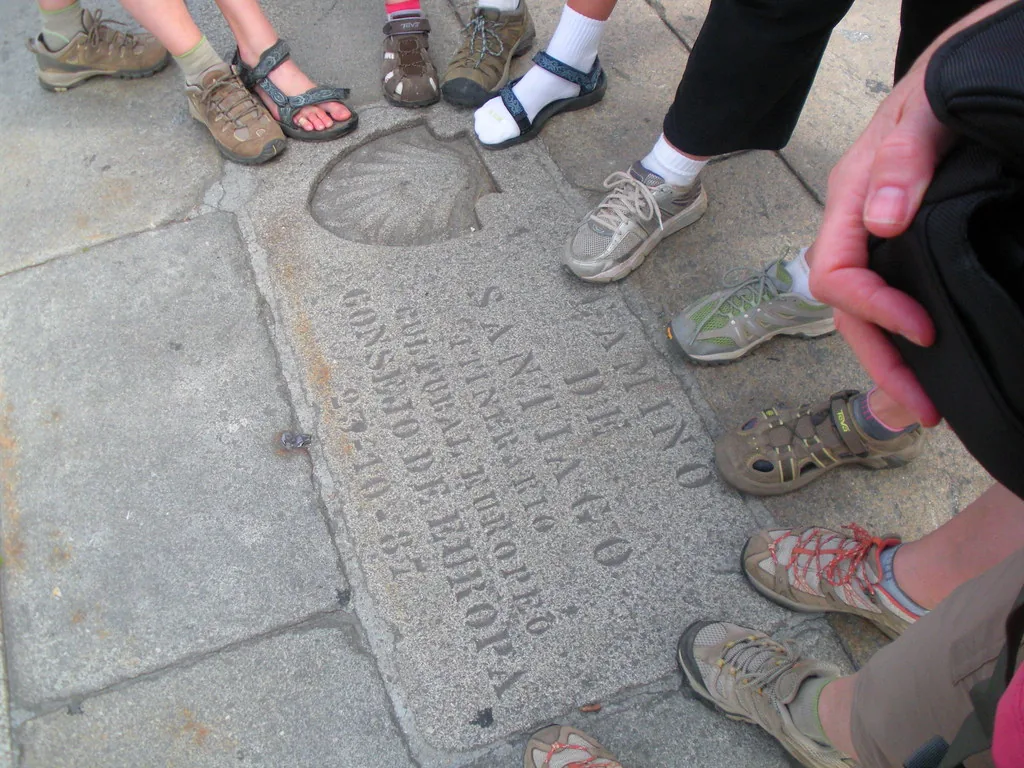
- Friday of week 7: complete a 20-25 km walk as a dress rehearsal, using all your final gear.
- Week 8: reduce your sessions to gentle 30-45-minute walks.
- Before you leave: rest for the 2 days before you begin the Camino.
Your dress rehearsal should confirm that your footwear and backpack weight work for you and that every item is positioned correctly. Check the map of routes, stages and albergues to picture the route you are preparing for.
Which strength exercises are most useful for walking with a backpack?
Focus on controlled movements that strengthen your legs, stability and posture. You do not need a complicated routine.
- Squats: strengthen your quadriceps and are particularly useful for descents.
- Lunges: improve knee stability and control as your feet make contact with the ground.
- Calf raises: strengthen your lower legs and prepare your feet for walking.
- Planks: strengthen your core and help you maintain good posture with a backpack.
- Hamstring and hip stretches: help restore mobility after your walks.
Add strength work on Fridays and save longer stretching sessions for after your walks. If a movement causes pain, do not force it: reduce the intensity and adapt your training to your fitness level.
Choosing stages that suit you
Before adding kilometres to your training, consider which day you want to be able to repeat on your trip. Note how long you can walk comfortably, the terrain and how you feel the following morning; that record is more useful than reaching a number out of pride. If the proposed plan is far from your pace, use the guide to short Camino stages to find an alternative. You can also compare Sarria and Tui for a short first Camino. Choosing less distance and more flexibility is sensible preparation, not failed training.
Frequently asked questions
Can I prepare for the Camino if I never exercise?
If you do little walking now, begin with short outings you can repeat without pain or accumulated fatigue. There is no shared minimum distance: repeat or shorten a session if you are not recovering well, and allow time to rest.
Do I always need to train with a backpack?
This plan is an adaptable example, not a requirement to train four days or carry a set load. Its times, distances and weights are guides: start lower if necessary, repeat weeks and reduce the effort if you develop discomfort.
Is it better to train by time or distance?
If you do little walking now, begin with short outings you can repeat without pain or accumulated fatigue. There is no shared minimum distance: repeat or shorten a session if you are not recovering well, and allow time to rest.
What should I do if I get blisters during training?
Stop the rubbing, check your socks and footwear, and do not ignore the discomfort just to finish a session. Training is also an opportunity to identify these problems and adjust your gear.
How do I know if I am ready to start?
Your benchmark is your chosen day, its terrain and your actual load, rather than a kilometre test. Check how you feel the following day too. If you have to push hard to finish, shorten your stages before travelling.