












Blisters on the Camino de Santiago: Prevention and Treatment
In brief
Do not pierce or drain the blister yourself. If it is large, very painful or keeps returning, seek medical advice before walking on.
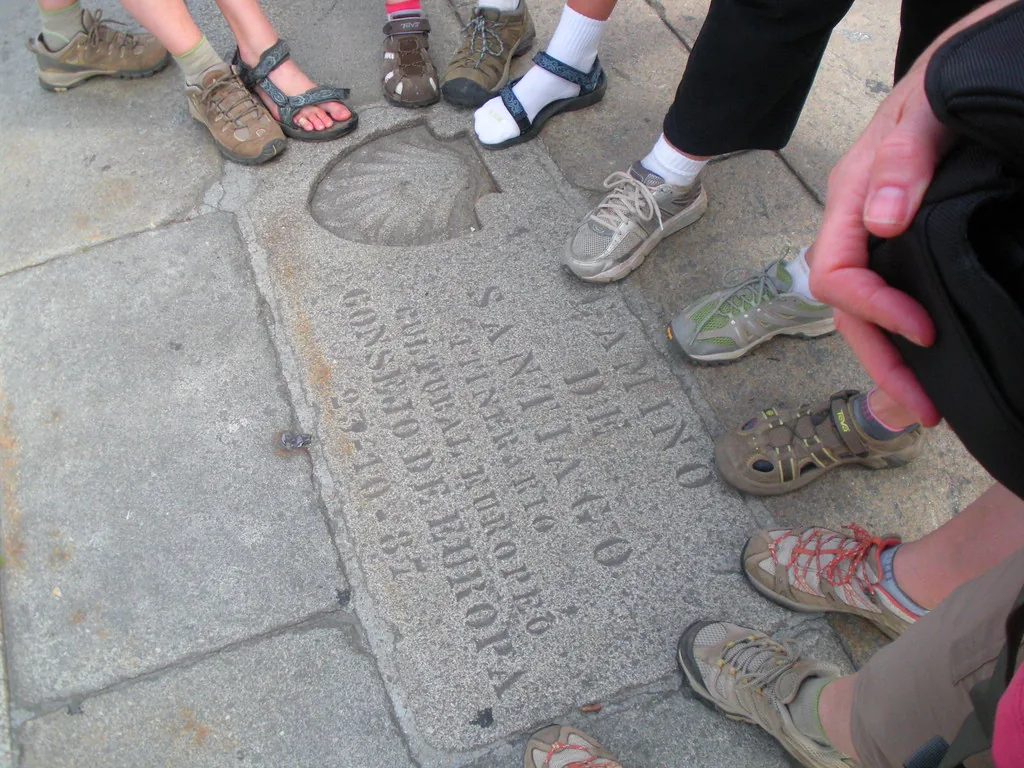
To prevent blisters on the Camino de Santiago, wear well-broken-in footwear, choose technical socks that do not bunch up and keep your feet dry. If you feel a hot spot developing, stop and protect it immediately. If a blister has already formed, the right treatment depends on its size, how painful it is and whether the skin is still intact.
At a glance
- Test your footwear on several walks, gradually increasing time and wearing your trip socks. No mileage guarantees it will not rub: check fit and comfort.
- Apply petroleum jelly or anti-chafing cream, and change your socks if they get wet.
- At the first sign of rubbing or a hot spot, stop and apply adhesive tape or a hydrocolloid blister plaster.
- Do not peel the skin off a blister; clean and protect it, then check it every evening.
Why walking causes blisters
Blisters develop where your feet are repeatedly exposed to friction. Keep an eye on your heels, toes and the soles of your feet from day one, especially when your socks bunch up or become damp.
You will usually notice warning signs before a blister forms: warmth, stinging or rubbing in one particular spot. This is the crucial moment. If you keep walking, the friction will continue to damage your skin. Stopping for a few minutes to dry your foot and protect the area can prevent a problem that might otherwise last for days.
Prevention begins long before you set foot on the trail. A good Camino training plan also gives you the chance to see how your feet, footwear and socks cope with longer distances.
How to prepare your feet and footwear
Break in your footwear well in advance
Test your footwear on several walks, gradually increasing time and wearing your trip socks. No mileage guarantees it will not rub: check fit and comfort.
Walk with all your gear at least 4-6 times before setting off, gradually increasing the distance. This helps condition your feet and gives you time to identify any rubbing. If you are still deciding between boots and walking shoes, read our guide to choosing footwear for the Camino de Santiago.
Choose moisture-wicking socks
Wear technical hiking socks with flat seams, made from merino wool or synthetic fabric and snug enough not to bunch up. Pack at least 3 pairs and put on a clean pair every day.
Before starting each stage, run your hand over the sock inside your footwear to make sure it lies flat. Even a small fold can become a source of constant friction over several hours.
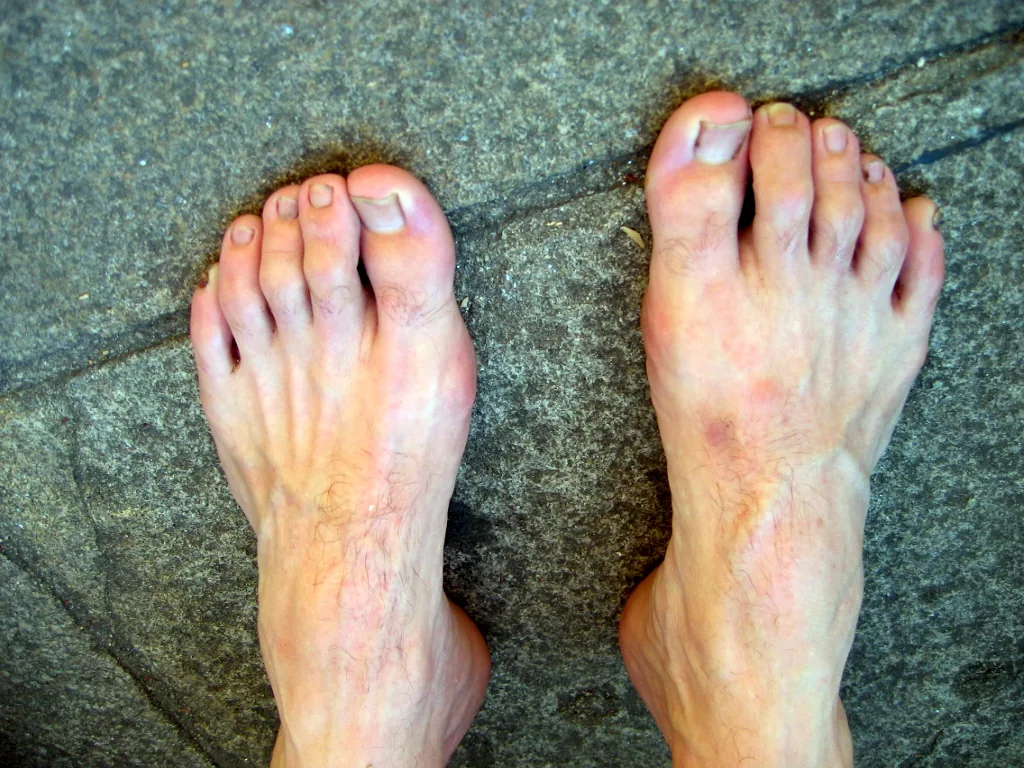
How to prevent blisters during each stage
- Before walking: apply pure petroleum jelly or anti-chafing cream to your heels, toes and the soles of your feet.
- If your feet get damp: change wet socks as soon as you can. During a break, take off your footwear and let your feet air out.
- If you feel heat or rubbing: stop immediately, dry the area and cover it with adhesive tape or a hydrocolloid blister plaster.
- At the end of the day: check your feet, clean any sensitive areas and prepare fresh supplies for the next day.
- During the first few days: do not walk farther than your body can comfortably manage. It is better to shorten the stage than to push on as the discomfort worsens.
This routine takes only a few minutes. Make it part of your wider Camino foot-care routine, and do not wait until the pain forces you to stop.
How to treat a blister based on its condition
Small blister without severe pain
Protect the blister with a soft dressing that reduces rubbing. A pharmacist can help you choose a suitable hydrocolloid dressing. There is no single replacement schedule for every dressing. Follow the product instructions and ask for advice if the area gets worse or the dressing stops protecting it.
Do not keep removing it to check the area. Monitor how it is healing, and make sure there are no edges or creases where your footwear can rub again.
Large or painful blister
Do not pierce or drain the blister yourself. If it is large, very painful or keeps returning, seek medical advice before walking on.
If it bursts on its own, wash your hands, gently clean it with water, leave the skin in place and cover it with a clean dressing. Ask a pharmacist which dressing to use and follow its instructions for application and replacement.
Seek medical help if you notice pus, heat, redness around the blister or increasing pain. Do not take antibiotics on your own or keep walking on an injury that makes you limp.
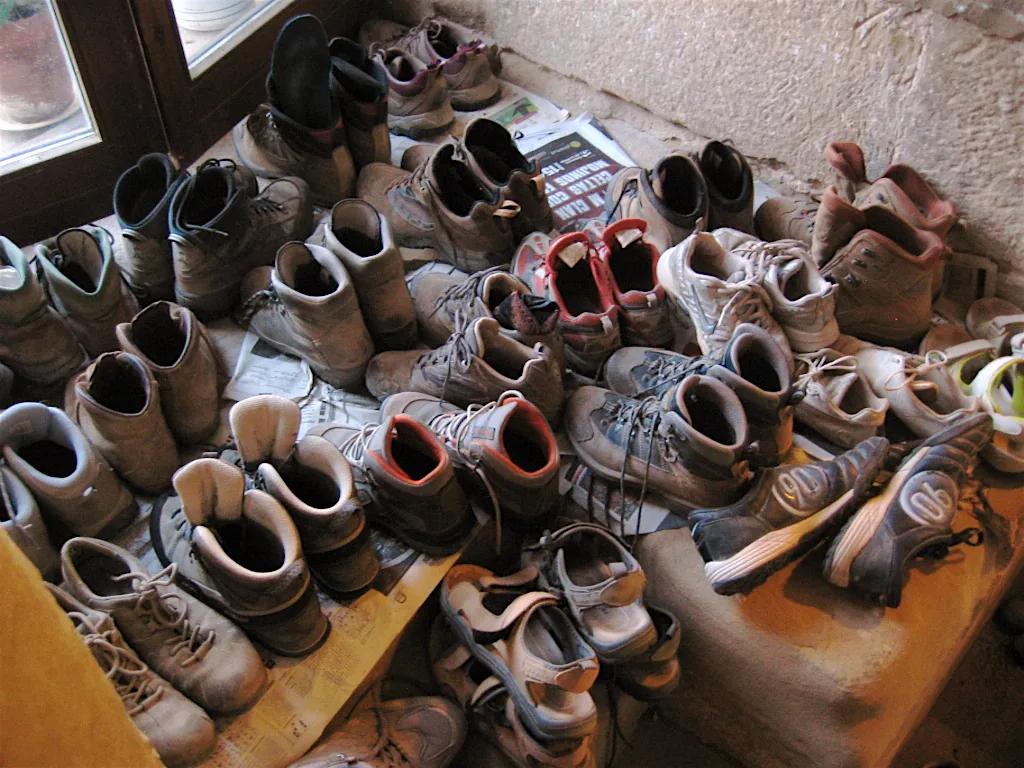
What to pack in a blister kit
Pack suitable dressings, sterile gauze, tape to secure it and supplies for cleaning your hands. You do not need a needle to treat yourself during a stage.
Keep everything together somewhere accessible and protected from moisture. There is no point burying it at the bottom of your backpack if you need to deal with rubbing halfway through a stage. You can add it to your ultralight Camino packing list without turning your first-aid kit into an unnecessary burden.
How to adjust your stage when a blister hurts
Your priority is to stop the friction. Pause, air your foot, treat the area and smooth out your sock before putting your footwear back on. If the pain persists, do not try to compensate by walking unevenly or shifting your weight awkwardly. Shorten the stage instead of letting the discomfort build.
Building some flexibility into your itinerary makes that decision easier. Check the map of routes, stages and albergues to find a suitable place to stop, and use the albergue and services finder if you need to reorganise the end of your day.
Choosing the next day without pushing through pain
After checking your feet, plan tomorrow around how you walk, rather than a booking made weeks ago. If discomfort changes the way you step, stop walking and rearrange your route; a dressing does not make an injured foot ready for a safe stage. For later days, the guide to short Camino stages helps you look for closer overnight stops and time to recover. Before setting off again, check that you can walk normally and that your footwear does not rub the same spot. If pain is significant or the injury is getting worse, seek medical advice before continuing.
Frequently asked questions
Should I pop a small blister?
Do not pierce or drain the blister yourself. If it is large, very painful or keeps returning, seek medical advice before walking on. There is no single replacement schedule for every dressing. Follow the product instructions and ask for advice if the area gets worse or the dressing stops protecting it.
Can I use Compeed on an open blister?
If it bursts on its own, wash your hands, gently clean it with water, leave the skin in place and cover it with a clean dressing. Ask a pharmacist which dressing to use and follow its instructions for application and replacement.
How many pairs of socks should I pack?
Pack at least 3 pairs of technical socks. Change them every day, or sooner if the pair you are wearing gets wet during the stage.
What should I do when I feel a hot spot?
Stop straight away. Take off your footwear, dry and air your foot, smooth out your sock, and cover the area with adhesive tape or a hydrocolloid blister plaster before continuing.
Before your next long walk, test your footwear, socks and blister kit together on a training hike. This simple check gives you the chance to fix any rubbing while you are still close to home.
Cover photo: A writer afoot · CC BY 2.0 · WebP.