









What to Pack for the Camino de Santiago: Ultralight List
In brief
For the Camino, pack a load you have tested on walks, broken-in footwear, a few changes of clothes and rain protection. Plan around laundry and your route rather than treating one weight as a rule.
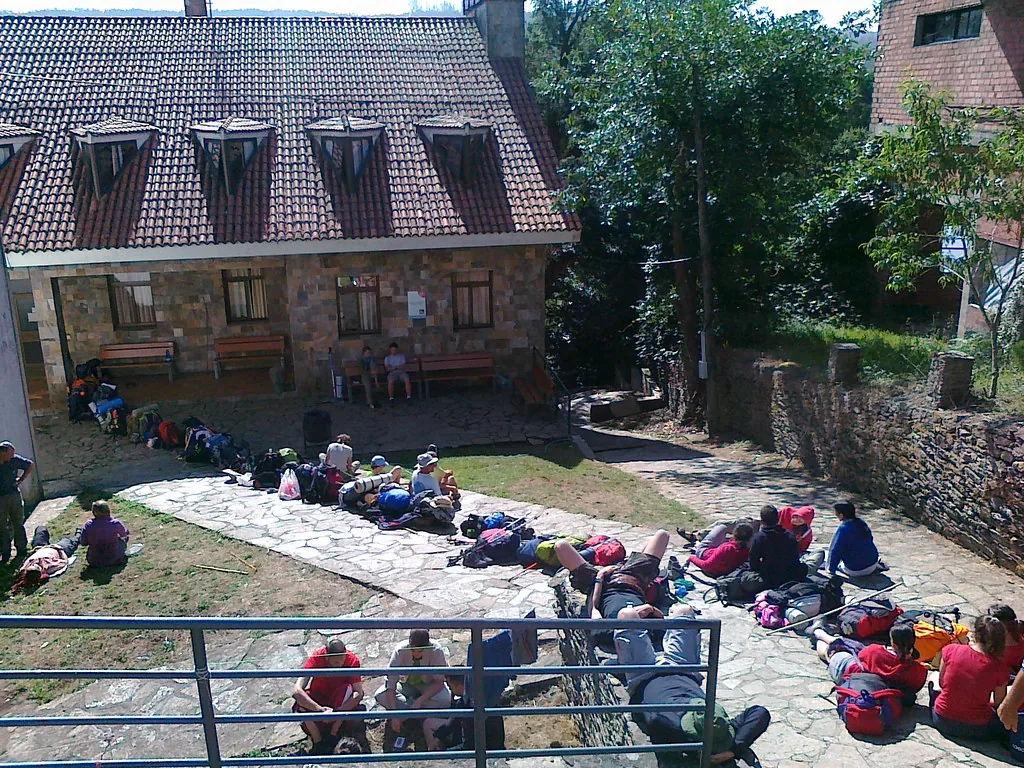
For the Camino, pack a load you have tested on walks, broken-in footwear, a few changes of clothes and rain protection. Plan around laundry and your route rather than treating one weight as a rule.
At a glance
- A load you can carry comfortably.
- Footwear: suitable, broken-in walking footwear—never a brand-new pair.
- Clothing: 2-3 T-shirts, 2 pairs of trousers and underwear for 3 days.
- Essentials: a rain jacket, basic toiletries, sunscreen and foot-care items.
How Much Should Your Camino de Santiago Backpack Weigh?
A comfortable load depends on your body, route and necessary equipment. Eight kilograms without water or food is only an example for reviewing your kit, not a universal limit. Weigh the backpack with water and food too, then test it on a walk; remove duplicates without sacrificing essential protection.
Weigh the fully packed backpack, not each item separately. Do this with your toiletry bag filled, your camp shoes packed and every small accessory inside, as these are precisely the things that add weight without you noticing.
Before you set off, walk with the actual load and readjust the straps. You could use a day such as the Sarria to Portomarín stage, covering 22,20 km, as a benchmark: a backpack that feels manageable on a short walk may become too heavy after several hours.
What Backpack and Footwear Do You Need?
Your backpack should allow you to distribute the load properly. Place the heaviest items close to your back, keep anything you will use while walking within easy reach and protect everything that must stay dry inside the pack.
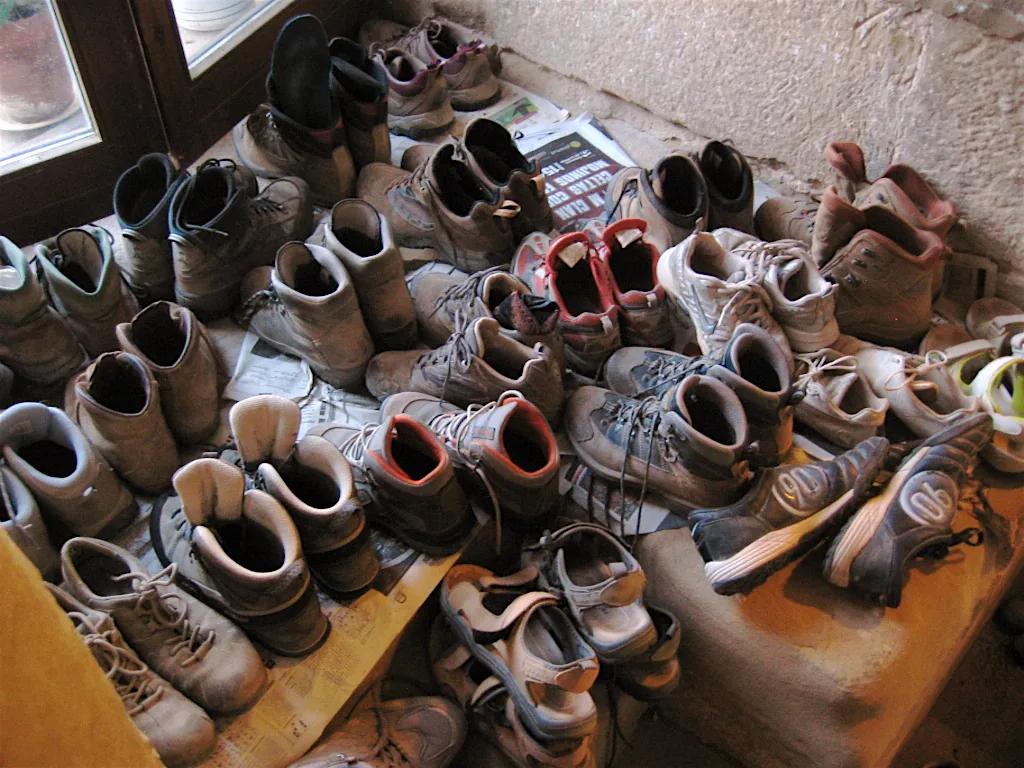
For walking, take suitable, broken-in walking footwear. Never wear brand-new footwear on the Camino: test it beforehand with the same socks and load you intend to carry. If you are still weighing up your options, read our guide to the best boots and shoes for the Camino.
Add a pair of sandals for the albergue and blister-resistant hiking socks. Your camp shoes should be simple and serve a clear purpose: allowing your feet to breathe at the end of the stage.
What Clothes Should You Pack for the Camino?
A small, easy-to-wash selection is enough for several days of walking. Pack 2 or 3 technical T-shirts, 2 pairs of trousers—one of them shorts—and enough underwear for 3 days. This lets you wear one set, wash another and keep one dry.
Round out your clothing with a lightweight fleece and a rain jacket. Adapt warm layers to the forecast, altitude and breaks. A hat and gloves can be useful on cold days, but spring and autumn do not always require the same kit. Do not multiply the number of garments by the number of stages: plan your clothing around laundry, not a fresh outfit for every day.
Review your itinerary before choosing your final layer. The map of routes, stages and albergues shows the entire journey, helping you tailor your selection to the Camino you plan to walk.
What Should You Pack for Hygiene and Foot Care?
Cut your toiletry kit down to what you actually use: biodegradable multipurpose soap, a toothbrush, sunscreen and a small microfibre towel. Avoid packing multiple products that can serve the same purpose.
For your feet, pack petroleum jelly to prevent chafing and check them at the end of every stage. Prevention also starts with suitable socks and stopping as soon as you feel discomfort, before it gets worse. Our guide to blister prevention and treatment rounds out this part of your packing list.
Include your personal medication and anything you need on medical advice. Do not turn your backpack into a first-aid kit for every possible scenario, and never share medication without professional guidance.
What Documents and Personal Items Are Essential?
Keep your identification, payment methods and pilgrim credential together. You will need the credential to collect stamps along the route; if you do not have one yet, find out how to get a pilgrim credential and what it is for before your trip.
Add your phone and charger, and limit any other devices. Ultralight packing is not about buying lots of specialist versions of every item; it is about removing duplicates and choosing things you will genuinely use.
What Should You Leave at Home?
- Brand-new footwear: every pair of boots or shoes should be thoroughly tested beforehand.
- A fresh outfit for every stage: with 2-3 T-shirts and underwear for 3 days, you can manage your laundry.
- Duplicate toiletries: multipurpose soap reduces both packaging and weight.
- Just-in-case items: ask whether they meet a genuine need on your route.
- Duplicate electronics: take your phone, charger and only the devices you will actually use.
Do one final check with everything laid out. Separate the essentials, the useful items and the unlikely-to-be-used items; pack the first two categories, then reconsider the third after weighing your backpack.
How Should You Arrange Your Gear in Your Backpack?
Group items by purpose so you do not have to unpack your backpack every time you need something. Keep dry clothing protected, your rain jacket within easy reach and the heaviest items close to your back.
At the end of the stage, take out any damp clothing and review what you have used. If you carry an item for several days without it serving an essential purpose, consider leaving it behind. You should also compare public albergues and private accommodation, as where you stay affects what you will need at the end of the day.
A backpack that works in wet weather too
Pack for the end of the day as well as the walk: imagine arriving at your accommodation on a damp afternoon and needing to change. Keep a dry set of clothes for resting and sleeping separate from what you wear on the trail. Protect those clothes, your documents and phone inside securely closing bags you already own; an external rain cover may not protect every opening. Test your arrangement before travelling with the backpack loaded.
For laundry, decide which garments will rotate and which should stay dry. Wash on arrival where this is allowed, wring clothes out carefully and ask where you can hang them. If they are still damp in the morning, separate them from dry gear and unpack them again at your next stop: keeping them shut away all day will not dry them. Do not count on a dryer at every hostel or sunshine every afternoon. Check facilities before booking if you need to wash everything.
The season changes your system rather than requiring a second wardrobe. In summer, keep rain protection and a layer for breaks; in colder months or on mountain routes, check your warm clothing and available daylight. Our guide to when to walk the Camino puts these differences in context. Adapt your kit to the forecast along your route, not just the weather in Santiago.
Ask whether your accommodation supplies bedding, too: provision varies. If you arrange luggage transport, carry water, food, documents, rain protection and any layer you may need while walking. Do your final test with that actual load, including your drinking water: what matters is the weight on your back, not a figure for equipment alone.
Frequently Asked Questions
Does the 8 kg Include Water and Food?
A comfortable load depends on your body, route and necessary equipment. Eight kilograms without water or food is only an example for reviewing your kit, not a universal limit. Weigh the backpack with water and food too, then test it on a walk; remove duplicates without sacrificing essential protection.
How Many T-Shirts Should I Pack?
Pack 2 or 3 technical T-shirts. This gives you enough to alternate between wearing and washing without carrying a different top for every stage.
Can I Wear New Boots on the Camino?
It is not advisable. Wear suitable boots or walking shoes that you have already tested on walks, using the same socks and load you will have on the route.
Do I Need Sandals?
Choose comfortable footwear for the end of the day according to your accommodation and preferences: sandals are an option, not a requirement. Check what you need for shared showers too.
What Extra Clothing Do I Need in Spring or Autumn?
Adapt warm layers to the forecast, altitude and breaks. A hat and gloves can be useful on cold days, but spring and autumn do not always require the same kit.
What Is the Final Step Before Closing Your Backpack?
Lay everything out, remove duplicates and weigh the complete pack. Then test the backpack on a walk and prepare your daily routine with our guide to foot care on the Camino: travelling light helps, but checking your feet every day is just as important.
Cover photo: nesimo · CC BY-SA 2.0 · WebP.