

15 official Camino routes

Camino de Santiago routes

From the French Way to the Primitivo, from the Cantabrian coast to the Vía de la Plata: every route with its official stages, kilometres and difficulty, so you can choose yours at your own pace.

224 stages 5,476 km of trail

The catalogue

15 Caminos, one destination

Here are all the Jacobean routes with official stages in Spain: from the French Way, the most walked in the world, to short branches such as the English Way from A Coruña or the Vía de la Plata to Astorga. Each route page gathers the stages with their elevation, the hostels on each stretch, the map and the GPX to carry with you.

The first three are the featured ones; the rest run from fewest to most kilometres. The shortest stretches are branches and variants that combine with a main route; the English Way from Ferrol is the shortest that reaches Santiago and qualifies for the Compostela. If you're torn between several, the guide to choosing is further down.

772 km 33 stages Medium

French Way

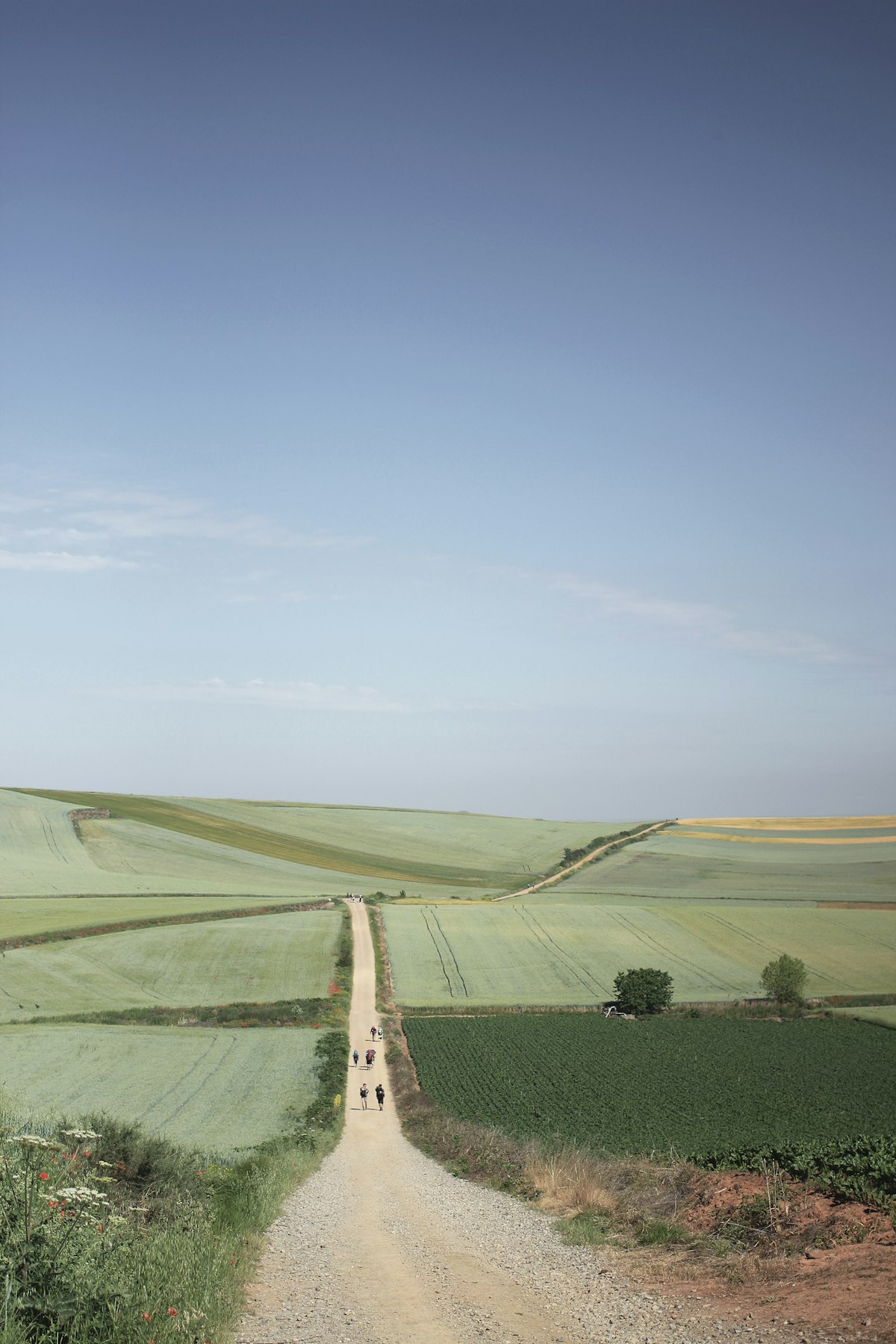
The French Way (Camino Francés) is the most famous and popular pilgrimage route to Santiago de Compostela. Starting from Saint-Jean-Pied-de-Port in France, it crosses the Pyrenees and travels 772 km across northern Spain to the Cathedral of Santiago.According to the Pilgrim's Office, in 2025 45.6% of pilgrims who received the Compostela arrived by this route. Over 33 stages it passes through historic cities like Pamplona, Burgos and León, as well as medieval villages with centuries of pilgrim hospitality.The French Way follows the ancient route described in the Codex Calixtinus (12th century), history's first travel guide. It crosses diverse landscapes: the green Navarrese valleys, the cereal plains of the Castilian Meseta, the hills of El Bierzo and the stone villages of Galicia.It is the route with the best infrastructure for pilgrims, with hundreds of hostels, fountains, yellow arrow waymarks and support services. Ideal for first-time walkers and experienced pilgrims alike.

Averages 23.4 km a day if you walk it stage by stage.

822 km 36 stages Hard

Northern Way

The Northern Way (Camino del Norte) follows the entire Cantabrian coast from east to west, from Irún to Santiago de Compostela. At 822 km across 36 stages, it is one of the most spectacular and demanding Camino routes.The route passes through the great cities of northern Spain: San Sebastián, Bilbao, Santander, Gijón and Oviedo, along with charming coastal villages with centuries of seafaring and pilgrim hospitality.It is the oldest Camino de Santiago route. During the reign of Alfonso II (760-842), King of Asturias, the tomb of the Apostle James was discovered in Compostela (814). Alfonso II made a pilgrimage from Oviedo to see the newly discovered tomb, establishing this route.Pilgrims enjoy exceptional natural heritage: the trail runs between mountains and sea, offering stunning views of cliffs, beaches and green meadows. The oceanic climate makes it ideal for walking in spring or summer.At Arzúa the Northern Way joins the French Way for the final two stages to Santiago de Compostela. Along the route, monasteries in Santoña, Santillana del Mar and Santo Toribio record pilgrims passing since the 10th century.

Averages 22.8 km a day if you walk it stage by stage.
973 km 36 stages Hard

Via de la Plata

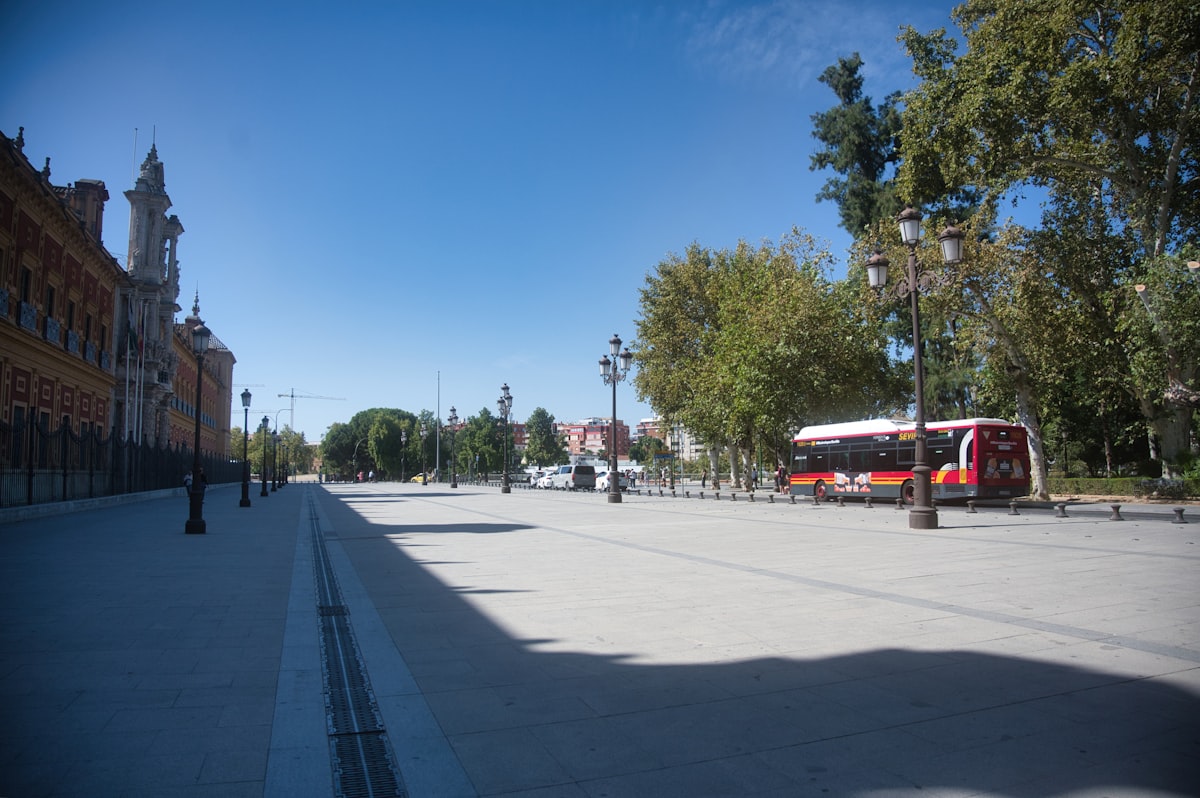
Seville is the starting point of this Jacobean route which, following ancient Roman roads, crosses Extremadura and Castilla y León before reaching Galicia. At 973 km and 36 stages, it is one of the longest Camino de Santiago routes.From Granja de Moreruela the route continues along the Sanabrés Way, entering Galicia via Ourense and reaching Santiago de Compostela; a variant also heads to Astorga to join the French Way.Pilgrims cross dramatically changing landscapes: from the olive groves and vineyards of Andalusia to the rolling plains of Extremadura, passing the monumental cities of Mérida and Cáceres (both UNESCO World Heritage Sites), to the cereal fields of Castile and the oak and eucalyptus forests of Galicia.Multiple Roman vestiges endure: stretches of road, bridges, milestones, theatres and arches that have been in use for over 2,000 years. The name likely derives from the Arabic "balata" (paved road).It is a route for experienced pilgrims, with longer stages and fewer services than the French Way, but rewarding with contemplative solitude and extraordinary historical heritage.

Averages 27.0 km a day if you walk it stage by stage.

74 km 3 stages Easy

English Way from A Coruña

The English Way from A Coruña starts from the city of the Tower of Hercules (Roman lighthouse, UNESCO World Heritage) and covers 74 km in 3 stages to Santiago de Compostela. It is the shortest variant of the English Way.Like the Ferrol route, it originated with British and Nordic pilgrims who arrived by sea at A Coruña's great natural harbor. The route shares its final stretch with the English Way from Ferrol from Bruma onwards.Important: as it does not reach the minimum 100 km, this variant does not qualify for the Compostela certificate. However, it is an excellent option for pilgrims wanting to experience the Camino over a long weekend.A Coruña offers a spectacular starting point with its seafront promenade, Riazor Beach and the historic Old Town.

Averages 24.6 km a day if you walk it stage by stage.
94 km 4 stages Hard

Vía de la Plata to Astorga

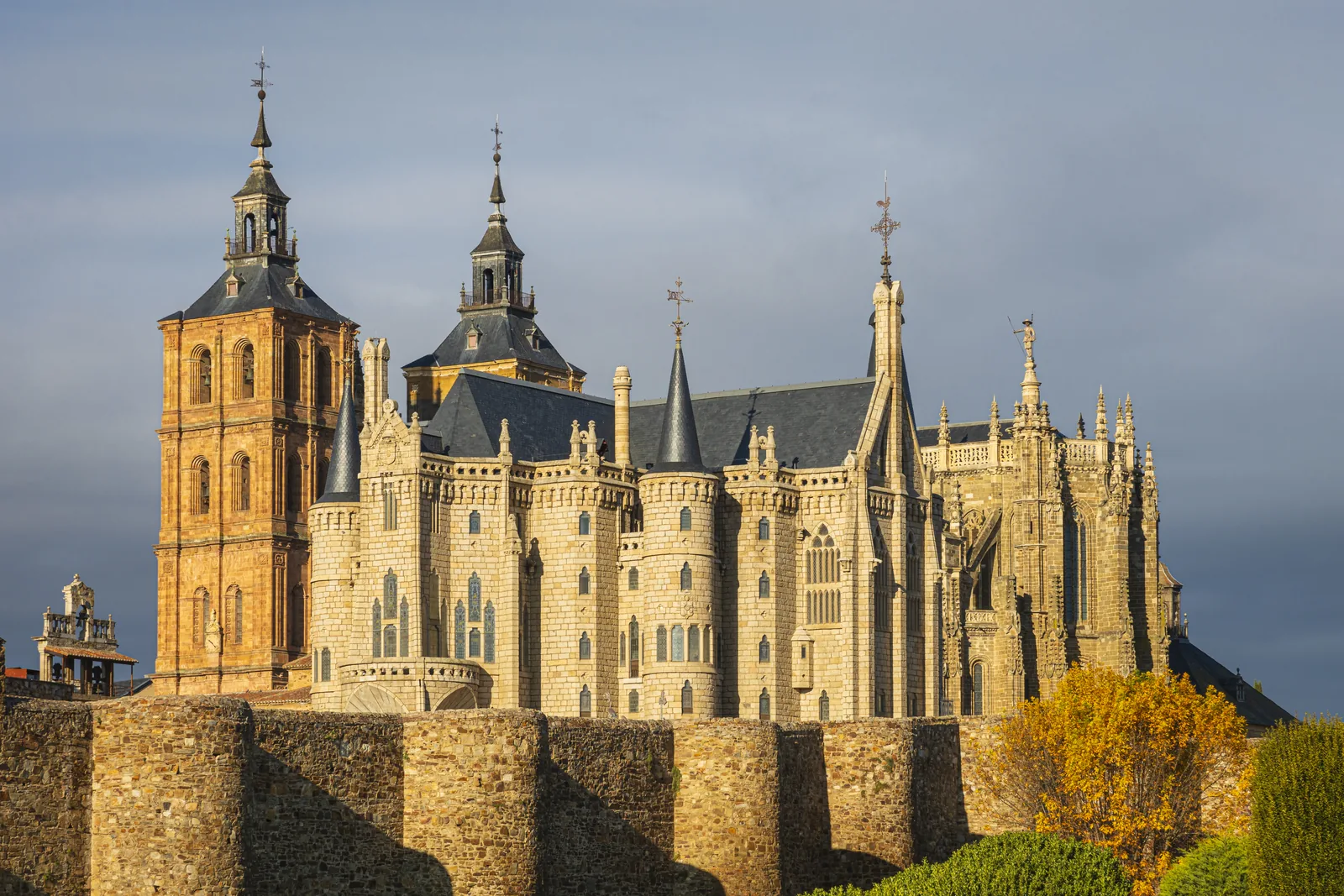
The historic Vía de la Plata does not end at Granja de Moreruela: it continues north through Benavente, Alija del Infantado and La Bañeza to Astorga, where it meets the Camino Francés. This is how the Spanish Federation of Camino de Santiago Associations lists the full route: "Sevilla-Mérida-Cáceres-Salamanca-Zamora-Astorga." It runs 94.3 km over 4 stages from the Granja de Moreruela fork — the oldest continuation of the Vía, as opposed to the Camino Sanabrés, which heads straight to Santiago from the same point.

Averages 23.6 km a day if you walk it stage by stage.

107 km 4 stages Easy

Spiritual Variant

The Spiritual Way is a unique variant of the Portuguese Way starting from Pontevedra that combines walking with a boat crossing of the Ría de Arousa, reliving the maritime arrival of the Apostle James's body to the Galician coast.At 107 km and 4 stages, it includes a 2-hour boat journey through the estuary, disembarking at Pontecesures beside the church where tradition places the landing of the Apostle's remains. From there, pilgrims walk to Padrón and Santiago de Compostela.It is a deeply spiritual experience connecting pilgrims with the legendary origins of the Camino, combining river landscapes, Albariño vineyards and the maritime essence of the Rías Baixas.

Averages 26.8 km a day if you walk it stage by stage.

116 km 6 stages Easy

English Way

The English Way from Ferrol is the route followed by pilgrims from the British Isles and Nordic countries who reached Galicia by sea. At 116 km and 6 stages from the port of Ferrol, it is one of the shortest ways that qualifies for the Compostela certificate (minimum 100 km on foot).The English Way gets its name from the many English, Irish, Scandinavian and Flemish pilgrims who for centuries disembarked at the Galician ports of Ferrol and A Coruña to walk to Santiago.The route runs through inland Galicia, crossing eucalyptus forests, rural hamlets and medieval bridges. It passes through Pontedeume, with its impressive medieval bridge, and Betanzos, one of the seven capitals of the ancient Kingdom of Galicia.Ideal for pilgrims with limited time seeking an authentic, uncrowded way.

Averages 19.3 km a day if you walk it stage by stage.

116 km 4 stages Easy

Finisterre Way

The Finisterre and Muxía Way is the epilogue of the Camino de Santiago. From Santiago de Compostela, pilgrims continue 116 km in 4 stages to Cape Finisterre, the mythical "End of the World" where ancients believed the earth ended.Medieval tradition held that pilgrims should complete their journey watching the sunset over the Atlantic from the Finisterre lighthouse and burning their walking clothes. Today this tradition lives on, and the Km 0 marker symbolically marks the absolute end of the Camino.The route continues along the spectacular Costa da Morte (Coast of Death) to the Sanctuary of the Virgin of the Barca in Muxía, a temple by the sea surrounded by enormous granite rocks with ancient legends.

Averages 29.0 km a day if you walk it stage by stage.

161 km 6 stages Medium

Aragonese Way

The Aragonese Way crosses the Pyrenees via the historic Somport Pass (1,632 m), an alternative to the Roncesvalles crossing. At 161 km and 6 stages, it descends through the Aragonese valleys to join the French Way at Puente la Reina (Navarra).The route passes through Jaca, the ancient capital of the Kingdom of Aragon and home to Spain's first Romanesque cathedral (11th century). The Pyrenean mountain landscapes, with crystal-clear rivers and beech forests, give way gradually to the Navarrese plains.Highlights include the Monastery of San Juan de la Peña, a jewel of Aragonese Romanesque architecture nestled in the rock.

Averages 26.8 km a day if you walk it stage by stage.

260 km 10 stages Medium

Winter Way

The Winter Way starts from Ponferrada and covers 260 km in 10 stages to Santiago, as an alternative to the French Way to avoid the snows of the O Cebreiro pass during winter months.It crosses the spectacular Ribeira Sacra, one of Spain's most impressive wine regions, with terraced vineyards above the canyons of the Sil River. The landscape includes medieval monasteries perched on cliffs, chestnut forests and stone Galician villages.It is a little-traveled route offering great solitude and scenic beauty. Ideal for pilgrims seeking to escape the crowds and discover a rural, authentic Galicia.

Averages 26.0 km a day if you walk it stage by stage.

268 km 12 stages Medium

Portuguese Coastal Way

The Portuguese Coastal Way is the Atlantic variant of the Portuguese Way. From Porto, it follows the Atlantic coast for 268 km across 12 stages, offering unique landscapes of beaches, cliffs and fishing villages.It is the coastal alternative to the inland Portuguese Way, passing through cities like Viana do Castelo and Baiona before crossing into Galicia. It combines the charm of the Atlantic Ocean with rich Portuguese and Galician gastronomy, especially seafood and green wines.Ideal for pilgrims who prefer walking by the sea and enjoying a refreshing Atlantic climate.

Averages 22.4 km a day if you walk it stage by stage.

309 km 14 stages Hard

Primitive Way

The Primitive Way is the original Jacobean route: the path walked by King Alfonso II of Asturias in 814 AD to become the first pilgrim to visit the newly discovered tomb of the Apostle James in Compostela.At 309 km and 14 stages from Oviedo, it is the most mountainous of all Camino de Santiago routes. It crosses the impressive Asturian mountains with considerable elevation changes, remote stone villages and landscapes of incomparable wild beauty.At Melide the Primitive Way joins the French Way for the final stages to Santiago. Despite its difficulty, it is growing in popularity for its authenticity and deep connection with the origins of the Jacobean pilgrimage.Ideal for fit pilgrims seeking an authentic mountain experience who want to walk through the living history of the Camino de Santiago.

Averages 22.1 km a day if you walk it stage by stage.

366 km 13 stages Medium

Sanabrés Way

The Sanabrés Way is the Galician alternative to the Via de la Plata. At Granja de Moreruela (Zamora), pilgrims coming from Seville can turn northwest, crossing the Sanabria region and the beautiful Lake Sanabria to enter Galicia via Ourense.At 366 km and 13 stages, it offers transitional landscapes between the Castilian Meseta and the Galician mountains: oak pastures, crystal-clear rivers, natural hot springs in Ourense and the humid forests of inland Galicia.Less traveled than other routes, the Sanabrés rewards pilgrims with greater solitude and contact with nature.

Averages 28.2 km a day if you walk it stage by stage.

419 km 18 stages Hard

Mozarabic Way

The Mozarabic Way is the great Jacobean route of southern Spain. Starting from Córdoba, Granada, Málaga, Jaén or Almería, it covers 419 km in 18 stages through Andalusia to join the Via de la Plata at Mérida.Its name evokes the Christians who lived under Muslim rule ("Mozarabs") and who made pilgrimages to Santiago. The route crosses landscapes of extraordinary beauty: the olive groves of Jaén, the mountains of Córdoba, the pastures of Extremadura and the valleys of the Guadalquivir.It stands out for its rich artistic heritage: the Mosque of Córdoba, medieval castles, Visigothic chapels and Roman bridges line the route. It is a route for experienced pilgrims seeking solitude and authenticity.

Averages 23.3 km a day if you walk it stage by stage.

619 km 25 stages Medium

Portuguese Way

The Portuguese Way starts from Lisbon and covers 619 km through Portugal from south to north before crossing into Galicia and reaching Santiago de Compostela. With 25 stages, it is the second most popular route after the French Way.From Lisbon pilgrims cross varied landscapes: the hills of the Alentejo, the vineyards of Ribatejo, the historic university city of Coimbra, and the vibrant city of Porto. After crossing the Miño river at Tui, they enter Galicia for the final stages.Many pilgrims start from Porto (241 km), a popular option that still qualifies for the Compostela. The route has good hostel infrastructure and signage, especially on the Portuguese stretch.It is ideal for pilgrims seeking an international experience, combining Portuguese and Galician culture, excellent gastronomy and a mild climate throughout most of the year.

Averages 24.8 km a day if you walk it stage by stage.
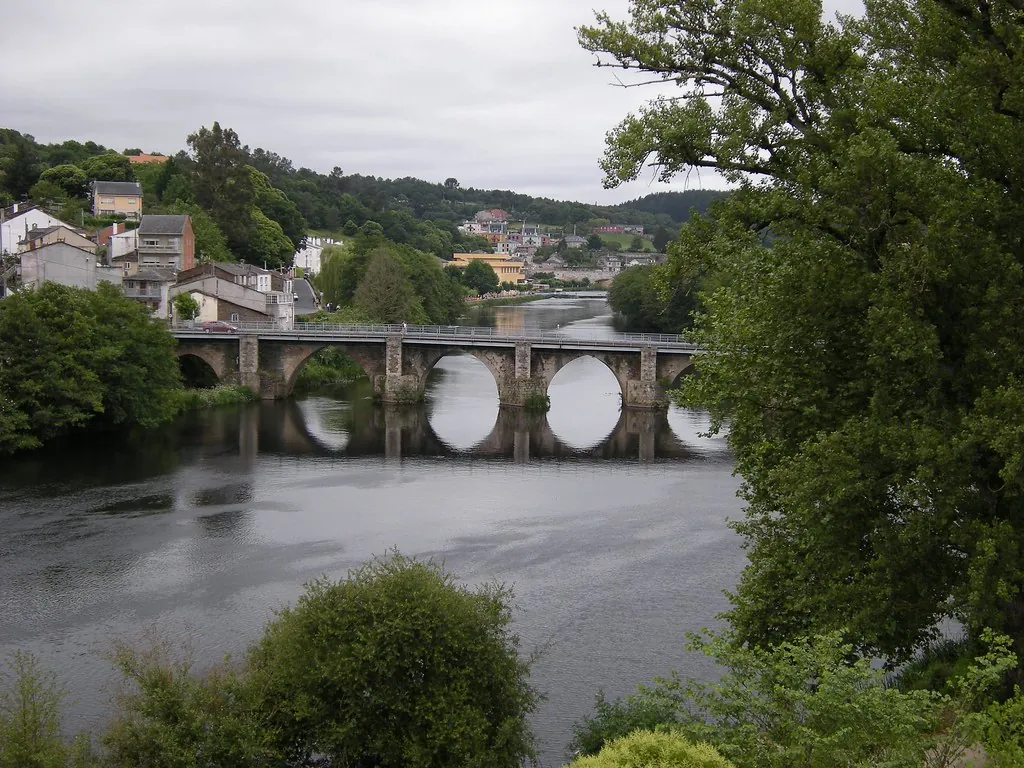
Roman bridge over the Miño as it passes through Lugo, on the Camino Primitivo

Twelve hundred years of history

Why there are so many Caminos de Santiago

It all began in the 9th century, when King Alfonso II set out from Oviedo to visit the newly discovered tomb of the apostle: that journey is the Primitive Way, the first of them all. In the 11th and 12th centuries, as the Christian kingdoms built bridges and hospitals, the French Way became Europe's great highway and the Codex Calixtinus described it stage by stage.

Each route tells where the pilgrims came from: the English and Irish landed at Ferrol and A Coruña and followed the English Way; those from the south came up the Roman road of the Via de la Plata; the Portuguese crossed the Miño at Tui on the Portuguese Way. The French Way has been a World Heritage Site since 1993, and since 2015 so have the Norte and the Primitivo.

9th c.
Alfonso II, the first documented pilgrim
1993
the French Way, World Heritage Site
15
official routes recognised in Spain

Guide to choosing

Which Camino de Santiago should you choose?

There is not just one Camino de Santiago: it is a network of routes converging on Santiago de Compostela from all over Europe. Spain officially recognises the 15 routes above, each with its own personality. Choosing well the first time makes the difference between enjoying the Camino and merely enduring it.

Find companions People starting the same week as you, from the same place and in your language.

How many days you need

Depending on what you're after

Your first Camino

French Way

772 km · 33 stages · Medium

Flawless waymarking, a hostel every few kilometres and pilgrims from all over the world: it's hard to feel lost.

Physical challenge and scenery

Primitive Way

309 km · 14 stages · Hard

Asturian mountains and coastal climbs: the ones that ask the most of your legs and give back the most scenery.

Also Northern Way

Finish at the sea

Finisterre Way

116 km · 4 stages · Easy

From Santiago to the end of the world in four stages, or the whole Atlantic coast from Porto.

Also Portuguese Coastal Way

When to go

September – October

Autumn

The other big season: vineyards and golden fields, hostels still open and fewer pilgrims than in August.

How many km per day?

22–25 km
daily average for most pilgrims
18–20 km
to start with if you've never walked long distances
3 days
how long the body takes to find its rhythm

With a heavy backpack or in high summer, go even lower. The official stages of each route, with elevation profile and hostels, are on each route page and on the map of all the routes.

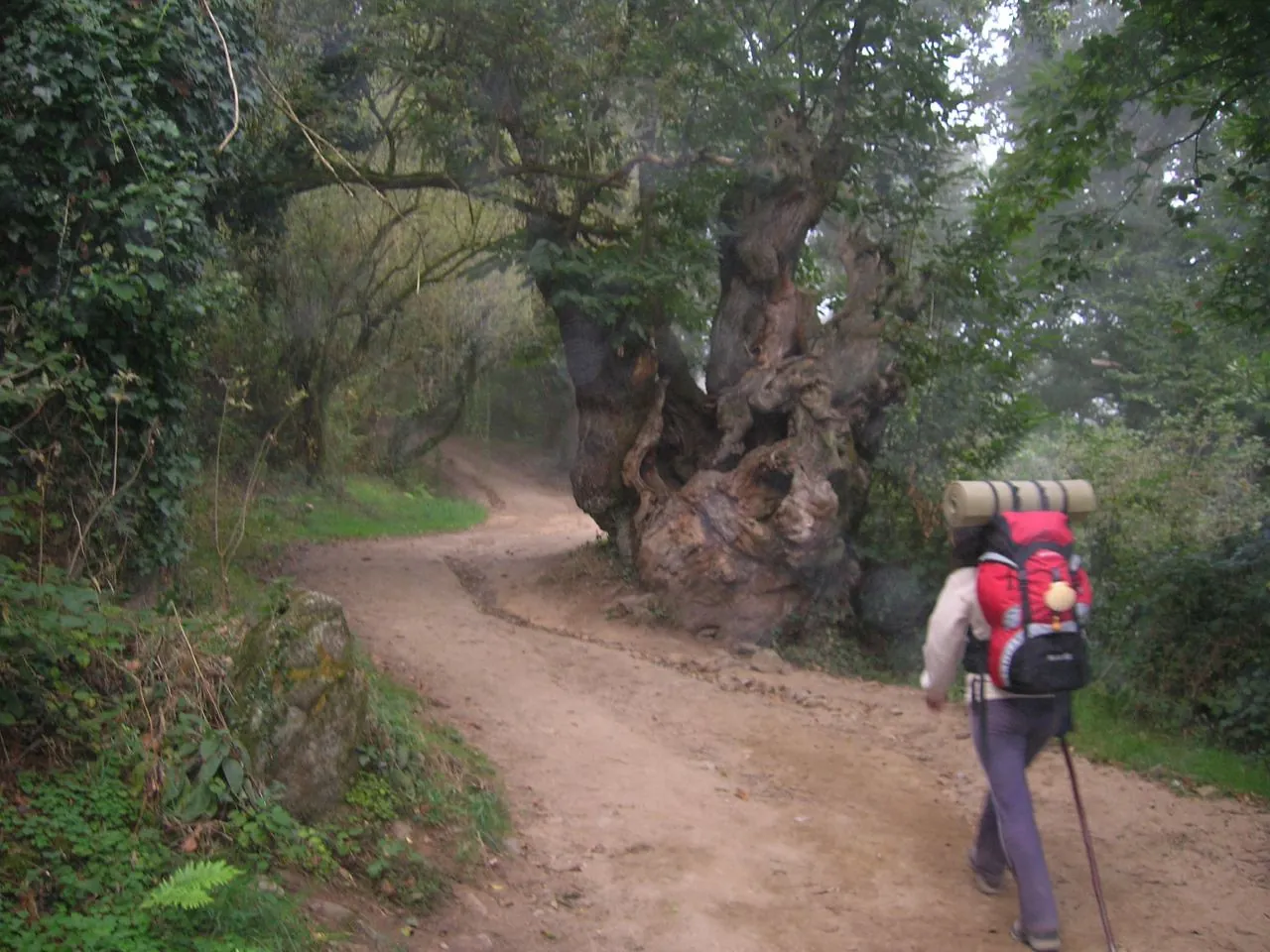
Pilgrim with a backpack on a sunken lane among chestnut trees near Sarria

Finding your way

How to follow the Camino: arrows, waymarkers and the shell

You don't need a map: the Camino is waymarked from start to finish with the yellow arrow, which the parish priest of O Cebreiro, Elías Valiña, began painting in the 1980s with leftover road paint. It's on walls, trees, lampposts and pavements, always pointing the way ahead.

In Galicia it's joined by granite waymarkers bearing the shell and the kilometres left to Santiago, one every 500 metres. The shell doesn't point the same way everywhere: in Galicia the direction is marked by the point where the rays meet; in other regions, by the open side. When in doubt, trust the arrow.

Losing an arrow happens; finding it again means going back to the last one you saw. If you'd rather carry the track with you, the map of all the routes draws every stage and each route page lets you download its GPX.

1980s
first yellow arrows by Elías Valiña
500 m
between waymarkers in Galicia
GPX
downloadable on every route page

Before deciding where to start

What the Compostela requires

  • At least 100 km on foot or horseback, or 200 km by bicycle, ending in Santiago.
  • The credential stamped twice a day along that final stretch.
  • You collect it at the Pilgrim's Reception Office in Santiago.

The most common starting point to meet the minimum is Sarria, on the French Way (772 km).

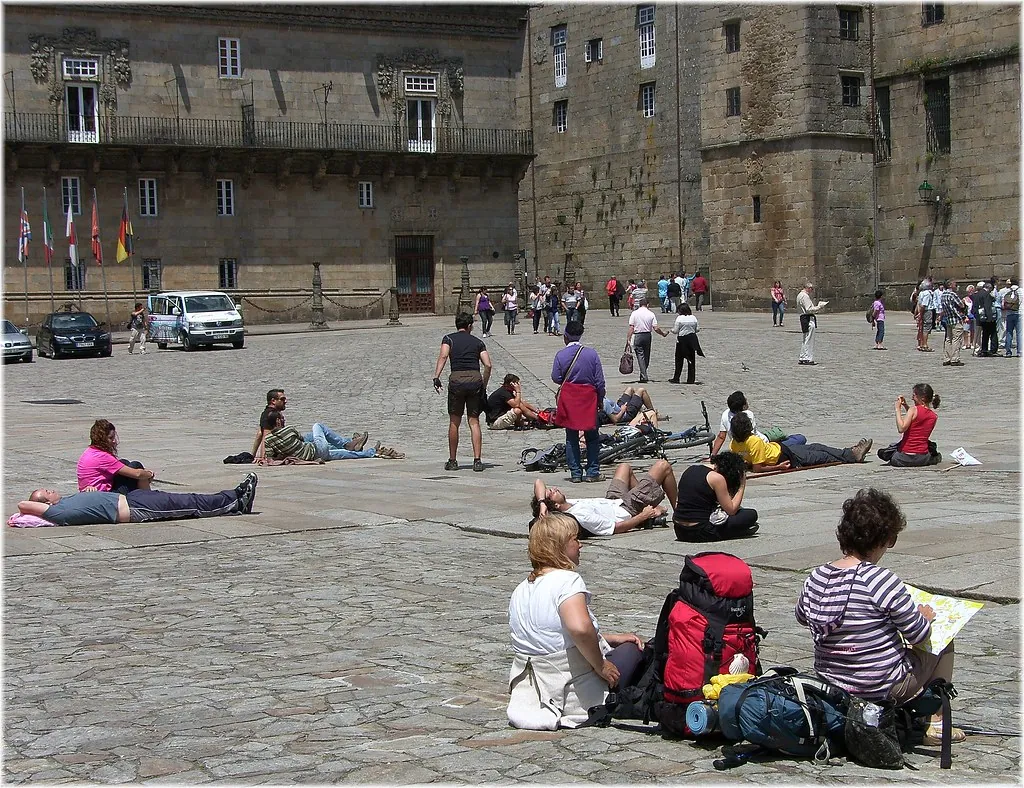
Pilgrims in Obradoiro Square, Santiago de Compostela
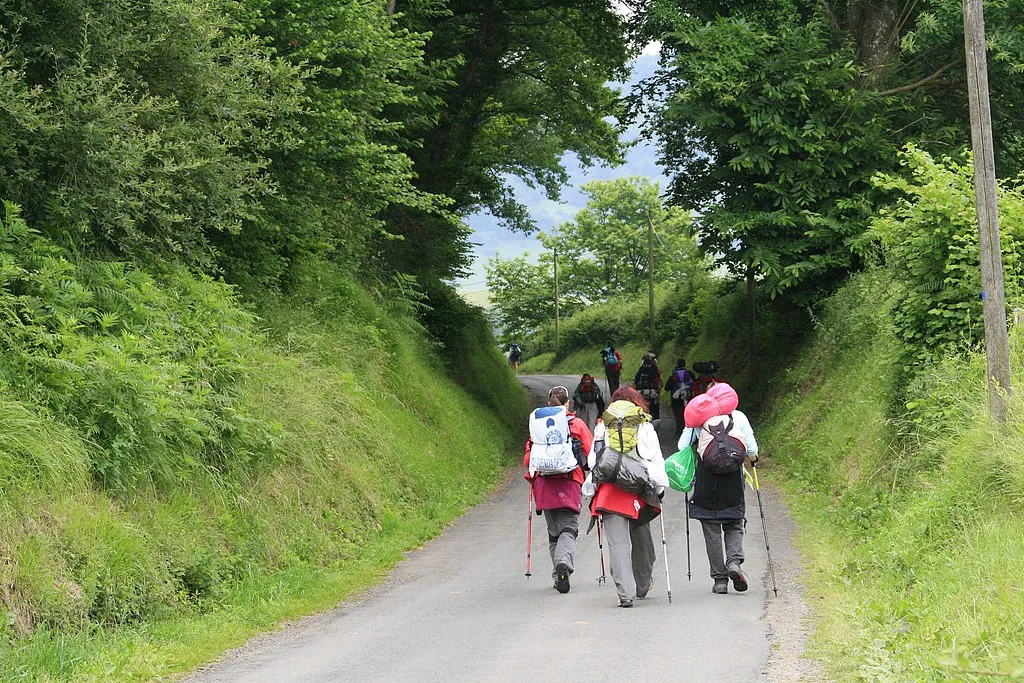
Group of pilgrims walking along a track between meadows just outside Roncesvalles

A pilgrim's routine

What a day on the Camino is like

You set off at dawn, often before the bars open, and walk four or five hours with stops for breakfast and to stamp your credential. By early afternoon you've arrived: the rest of the day is a shower, laundry, a nap and the village.

Public hostels are the cheapest option and beds go on a first-come, first-served basis; private ones take bookings. Dinner is early, almost always the pilgrim's menu, and lights go out at ten. By the third day the body has found its rhythm and 20–25 km stages stop feeling daunting.

On each route page you have the official stages with their elevation; in the Camino guides, how to pack your backpack; and in the hostel directory, where to sleep on each stretch.

5 h
of actual walking on an average stage
2 stamps
a day over the last 100 km
22:00
lights out in the hostels

Frequently asked questions

What people ask most about the routes

Short answers to the doubts that come up most before choosing. If yours isn't here, ask someone who has already walked it in the pilgrims' forum.

Which is the easiest Camino de Santiago to start with?

The last 100 km of the French Way from Sarria: five stages without big climbs, flawless waymarking and a hostel in every village. If you want a full Camino, the whole French Way is still the easiest to organise thanks to the amount of services.

How many days does it take to walk the Camino de Santiago?

It depends where you start: the English Way from Ferrol takes 5–6 days; the Primitivo from Oviedo, about 13; the Portuguese Way from Porto, 10–12; the full French Way from Saint-Jean-Pied-de-Port, 31 to 35; and the Vía de la Plata from Seville, around 40. The last 100 km from Sarria take 5 days.

How many kilometres do you need for the Compostela?

At least 100 km on foot or horseback, or 200 km by bicycle, ending in Santiago, with the credential stamped twice a day along that final stretch. You collect it at the Pilgrim's Reception Office.

What is the pilgrim credential and where do you get it?

It's the passport you get stamped at hostels, churches and bars to prove you've walked the route; without it you won't get the Compostela. You can get one from Friends of the Camino associations, from many parishes and hostels at the starting points, and from the Pilgrim's Reception Office, for a token price.

Which is the most beautiful Camino de Santiago?

It depends on what you're after: the Northern Way for the Cantabrian coast, the Primitivo for the Asturian mountains and the French Way for its variety of landscapes and atmosphere. All three have stretches you remember for life.

Do you need to book hostels in advance?

Public hostels don't take bookings: it's first come, first served. Private ones do, and it's wise to book in July and August on the French Way from Sarria and on the Portuguese Way from Tui, or if you're travelling as a group. The rest of the year, on most routes, arriving mid-afternoon is enough.

Can you walk the Camino de Santiago in winter?

Yes, especially on the Portuguese Way, the Winter Way or the Vía de la Plata, which have milder weather. The Primitivo and the Norte may have snow, and on every route some hostels close from November to March: check which ones are open.

Which is the least crowded Camino de Santiago?

The Aragonese Way, the Sanabrés and the Winter Way see very few pilgrims even in summer. The Vía de la Plata is also quiet outside the hot months. On the French Way, avoid starting in Sarria in July and August if you want silence.