




When Is the Best Time to Walk the Camino de Santiago?
In brief
Discover the best time to walk the Camino de Santiago by weather, crowds, accommodation and route. May, June and September are the top choices.
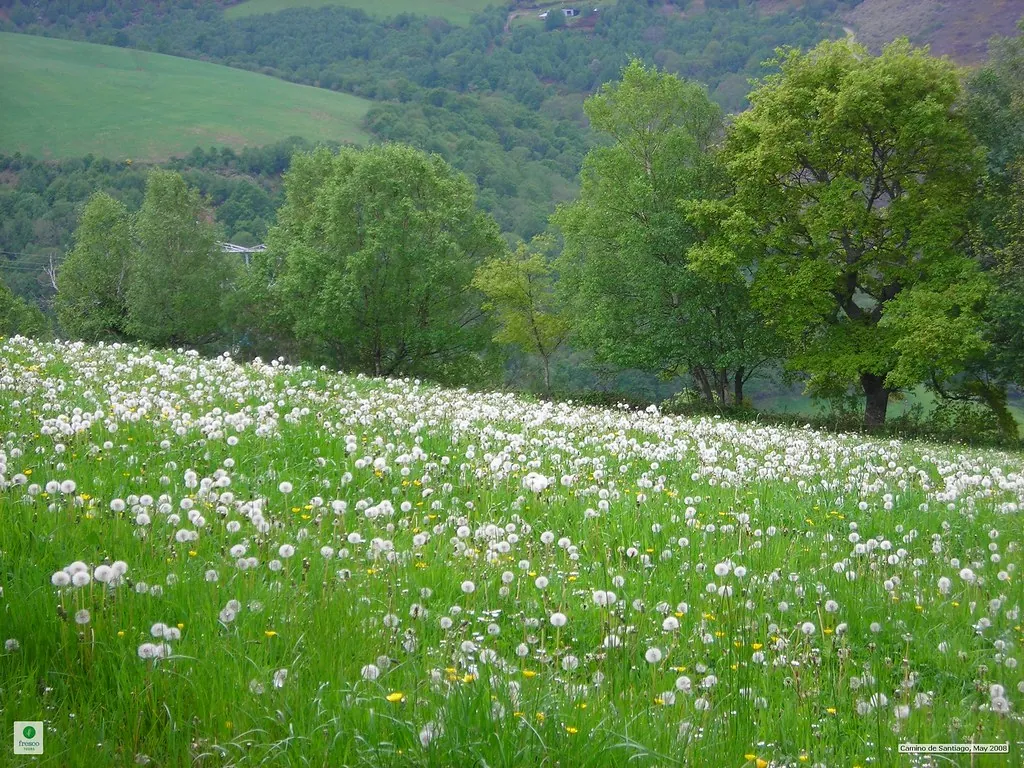
The best time to walk the Camino de Santiago is May, June or September. These months offer the most reliable balance of pleasant weather, ample daylight, open albergues and fewer people than July and August. If your route crosses mountains or inland Spain, it is worth choosing more carefully, as the seasons affect each Camino differently.
At a glance
- May and June: the best all-round choice for weather, daylight and services.
- September: good weather and fewer people once the summer rush is over.
- July and August: more settled weather, but also more heat and larger crowds.
- Winter: requires experience, the right gear and confirmation of every night's accommodation.
Which month should you choose for the Camino de Santiago?
The answer depends on what matters most to you: avoiding the heat, finding peace and quiet, securing accommodation or having services open along the way. For most pilgrims, May, June and September offer the best combination of all four.
- If this is your first Camino: choose May, June or September. You will have more room to settle into your pace without facing the harshest winter conditions or the pressure of peak summer.
- If you want solitude: January, February, November and December are the quietest months, but they also require the most careful planning.
- If you can only travel during the summer holidays: July and August are perfectly feasible if you set off early, avoid the hottest hours of the day and arrange accommodation on popular sections.
- If you are walking a mountain route: avoid winter. Snow and bad weather can make high passes difficult and force you to change your itinerary.
- If your route crosses inland Spain: prioritise spring or autumn to avoid the intense heat of July and August.
What is the Camino like month by month?
What is the Camino like in January and February?
Expect cold, rain, short walking days and possible snow on mountain passes such as O Cebreiro. In return, you will find plenty of solitude and silence, but you cannot assume that your usual choice of accommodation will be available at the end of each stage.
Many municipal and private albergues close for the season, particularly away from the busiest routes. Review every stage and prepare a backup before setting off; our guide to the Camino de Santiago in winter will help you decide whether its demands are right for you.
Is it worth walking in March and April?
The Camino begins to come back to life in March and April. It can still be quiet outside Holy Week, while demand rises sharply over the holiday itself, making it sensible to book ahead.
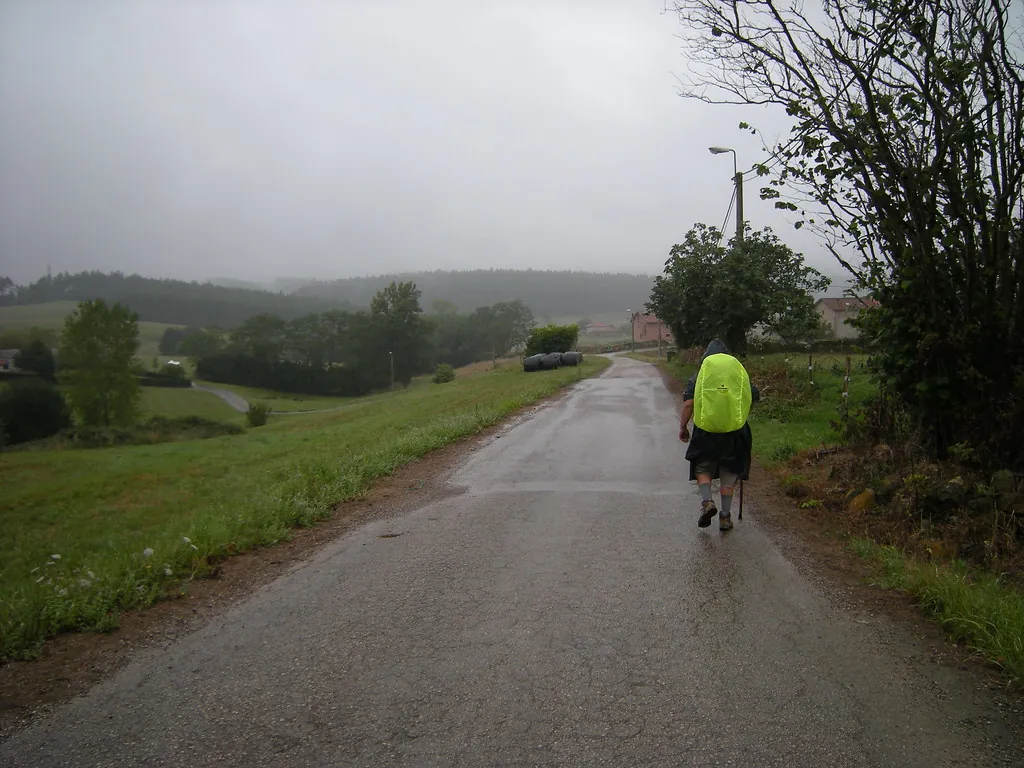
The weather remains changeable: rain is common in Galicia and northern Spain, while sunny days on the Meseta can give way to sudden changes. As more albergues open, logistics become easier, but you should still confirm accommodation rather than assume every service has reopened for the season.
Why are May and June the best time?
May and June are the best all-round recommendation for anyone looking for mild temperatures, green countryside, plenty of daylight and a fully functioning accommodation network. There is a lively pilgrim atmosphere, but crowds are usually more manageable than at the height of summer.
Demand can be higher on the best-known sections on certain dates, especially around Sarria. You do not need to turn the entire trip into a rigid series of bookings, although it is worth checking the ends of stages with fewer alternatives on the map of routes, stages and albergues.
What should you plan for in July and August?
July and August bring the most settled weather, but also more heat and more pilgrims. On the Meseta along the French Way and on the Via de la Plata, walking during the middle of the day can be especially demanding because some sections are exposed and offer little shade.
Set off at dawn, arrange accommodation when crossing very popular areas and adapt your daily distance to the actual heat rather than your original plan. If your holiday falls during these months, read our specific advice on walking the Camino in July.
Is September as good as May and June?
Yes. September is one of the best months to go because the August heat begins to ease, holiday crowds thin out and albergues remain open. The first half of the month generally retains more summery conditions.
The chance of rain increases during the second half of the month in Galicia and along the northern routes. That is no reason to rule it out: simply keep your plans flexible and protect anything that must stay dry.
What are the pros and cons of October?
October offers autumn scenery, comfortable walking temperatures and far fewer people than summer. It is an appealing choice if you can accept less settled weather and do not need every service to be available.
Rain becomes more frequent as the month progresses, particularly in Galicia and along Spain's northern coast. Many places to stay remain open for part of October, but you should confirm availability before finalising each stage.
Is it advisable to walk the Camino in November or December?
November and December return the Camino to low season, bringing cold, rain, fewer daylight hours and widespread closures among private accommodation. These months are suitable for pilgrims experienced in demanding conditions, not anyone looking for an easy first Camino.
The key is to accept that the weather and open services will dictate your daily schedule. You will need enough flexibility to shorten a stage, change a stopping point or use different accommodation from what you had planned.
When is the best time for each route?
The wet north, the mountains and the dry interior each present different challenges. That means the best month for a coastal route may not suit a long itinerary across Extremadura and Castilla.
Northern Way
The Northern Way, covering 822 km over 36 stages, is best walked between June and September. Rain is possible throughout the year along Spain's northern coast, but summer reduces the risk of one wet day after another and lets you make the most of the coastline.
Via de la Plata
The Via de la Plata covers 973 km over 36 stages and crosses large areas of inland Spain. Avoid July and August because of the heat and lack of shade over long sections; April, May, September and October are far more sensible choices.
French Way
The French Way covers 772 km over 33 stages and is the easiest route to adapt thanks to its extensive network of services. May, June and September remain the most balanced months. In winter, snow and closures can affect the high passes, so check the available alternative before approaching the mountains.
Portuguese Way and Portuguese Coastal Way
The Portuguese Way covers 619 km over 25 stages, while the Portuguese Coastal Way covers 268 km over 12 stages. Both work well in spring and autumn; the coastal route is more manageable in July and August because the Atlantic influence tempers the heat, although you will still need to set off early.
Original Way
The Original Way covers 309 km over 14 stages, adding steep climbs and Asturian mountain passes to the equation. May, June and September are the safest choices; winter brings a greater chance of snow and makes an already demanding route less predictable.
The section from Sarria to Santiago
The section from Sarria attracts walkers with limited time and can be busy during holidays. Confirm accommodation for your dates, even in May or September. For requirements and certification, read the guide to the Compostela; an itinerary’s approximate length is not itself the requirement.
If you go in summer, check the busiest points in advance and decide where you need to book. The stage from Sarria to Portomarín covers 22,20 km and is a useful first benchmark when setting your pace for the final section.
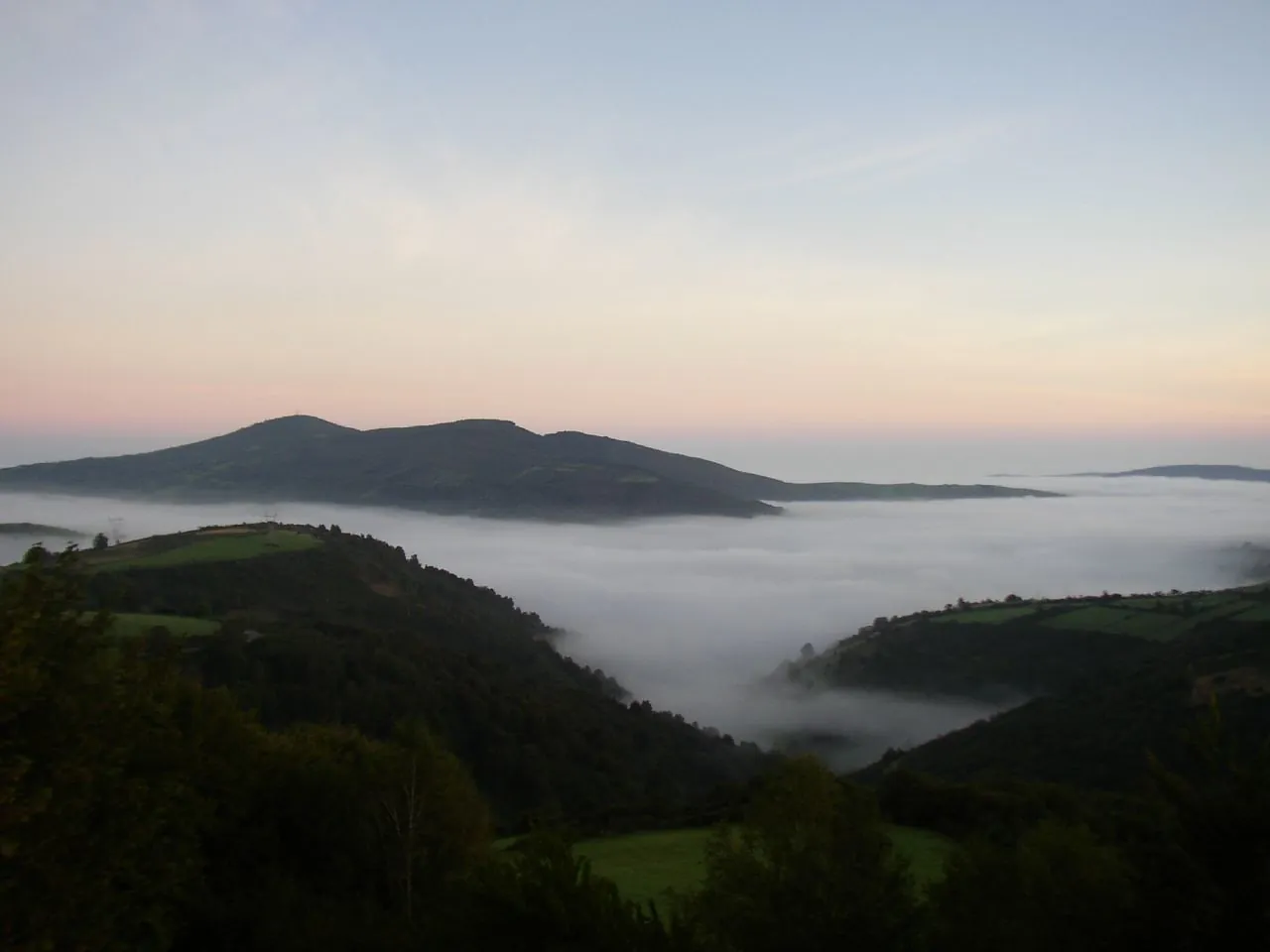
How can you stop the season from derailing your plans?
Choosing the right month helps, but it is no substitute for checking the route. A closed albergue in winter and a fully booked town in August create the same problem: reaching the end of the day without an alternative.
- Check the end of every stage: see which albergues are open and what other towns or villages are nearby.
- Book where demand is highest: Holy Week, July, August and the section from Sarria all call for more forward planning.
- Leave some flexibility: do not force yourself to cover the planned distance if heat, rain or fatigue set in.
- Match the route to the season: the coast in summer, inland routes in spring or autumn and mountain routes outside the coldest months are sensible combinations.
- Decide what matters most to you: atmosphere, solitude, settled weather or the freedom to improvise. No single month is perfect for opposing priorities.
Choose a specific week, not just a month
Start with your actual travel dates. Two weeks in the same month may face different demand because of public holidays, weekends or school breaks; a general recommendation for May or September does not confirm a bed on your arrival day. Match the calendar to your overnight towns and ask about opening dates, check-in and cancellation conditions. With little flexibility, secure nights with fewer alternatives first rather than automatically booking the whole route.
Distinguish climate from the forecast, too. AEMET’s standard climate values describe averages at a station over a reference period: they help explain the season but do not announce your week’s weather. A table for Santiago cannot represent every pass, valley or inland section of your Camino. Near departure, check forecasts for the towns you will cross and warnings affecting that day; check again during the trip.
Then turn available daylight into a realistic schedule. In months with short days, allow time for breaks and arrival without relying on walking after dark. In summer, do not automatically fill extra daylight with more kilometres: heat and exposure may call for a shorter day. Our guide to short stages helps adjust your schedule without changing your holiday dates.
Finally check services: accommodation, somewhere to eat and a backup if you stop early. Look through accommodation options and confirm changeable details directly. Adapt your packing to that route and conditions close to departure. Choosing the season gives you room to manoeuvre; preserving that room each day makes the choice useful.
Who is setting off on your dates
 Organised by
Toni A.
From Santiago to Fisterra
Written in SpanishSantiago-Muxía-Fisterra
2 places left
- Distance
- 116 km
- Stages
- 4
- Languages
-

Frequently asked questions
What is the best month for a first Camino?
May, June or September are the most balanced choices for a first Camino. Services are open, there is plenty of daylight and conditions are less extreme than in winter or during the hottest weeks of summer.
When is the Camino de Santiago least crowded?
January, February, November and December make up the quietest season. That solitude comes with more closures and more demanding weather, so confirm accommodation and alternatives before each stage.
Can you walk the Camino in July or August?
Yes, as long as you adapt your schedule and logistics. Start early, avoid walking during the hottest hours and book well ahead on the busiest sections.
Is May or September better?
Both are excellent choices. May brings spring scenery and a season gathering pace; September keeps many services open and becomes quieter once the summer holidays end, although rain can become more frequent later in the month.
Do you need to book albergues outside summer?
Not always, but it is worth booking during Holy Week and at popular stops on the section from Sarria. In low season, the priority is not so much booking as confirming which places are actually open.
What should you do now to choose your dates?
Choose your route first, then weigh its climate against the days you have available: May, June or September will be the safest answer in most cases. If you would like to share stages or coordinate dates, check the Camino companions board before finalising your trip.
Cover photo: Fresco Tours · CC BY 2.0 · WebP.