











The Camino de Santiago in Winter: What to Expect and How to Prepare
In brief
Yes, you can walk the Camino de Santiago in winter, between November and March, provided you adapt your route, gear and daily stages to the cold, rain and limited daylight.
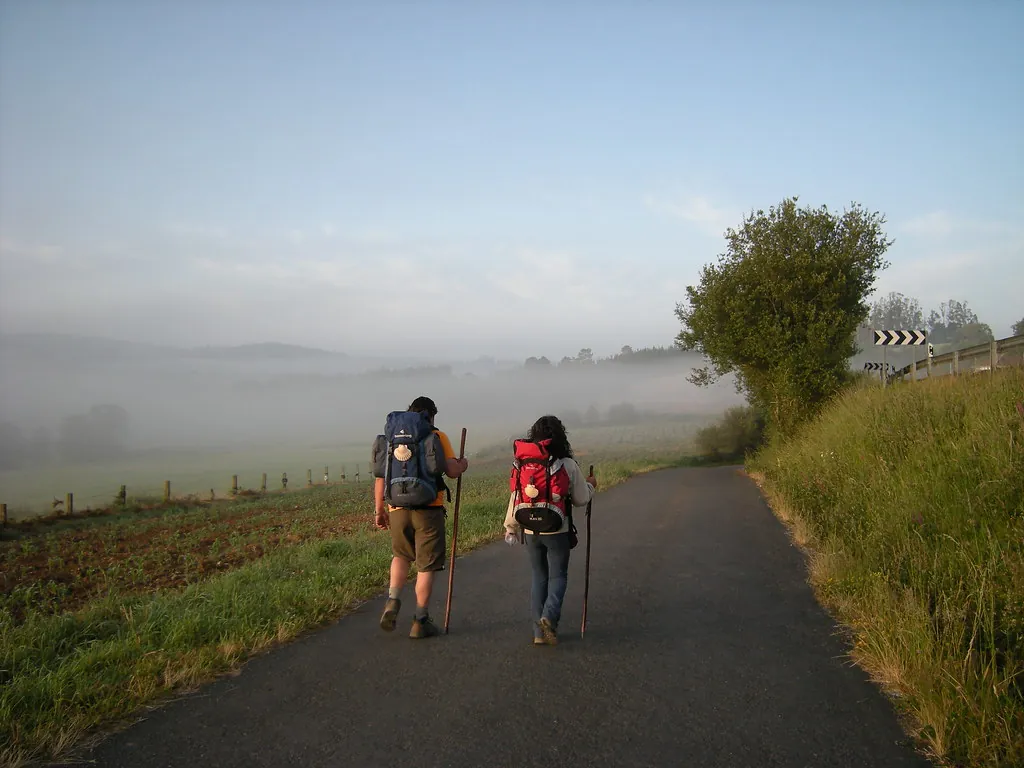
Yes, you can walk the Camino de Santiago in winter, between November and March, provided you adapt your route, gear and daily stages to the cold, rain and limited daylight. The French Way and Portuguese Way are usually the most feasible options; it is best to avoid mountain sections of the Original Way and Northern Way when conditions are poor.
At a glance
- Choose a route with services and confirm each place to stay before setting off.
- Expect rain, mud, sub-zero temperatures and possible snow in the mountains.
- Walk only during daylight hours and carry a head torch in case of delays.
- Wear thermal layers, waterproofs, boots with good grip and gaiters.
Can you walk the Camino de Santiago from November to March?
Yes, but it is very different from walking in peak season. You will encounter far fewer people, more silence and landscapes of mist, bare fields or snow. In return, you will need to plan where to sleep and eat more carefully.
Winter is a good fit if you want solitude and are prepared to change your plans when the weather or trail conditions call for it. If you are still weighing up the seasons, our guide to the best time to walk the Camino will help you decide whether the trade-off is right for you.
What are the advantages of walking the Camino in winter?
- More solitude: in January, you may walk for days without seeing another pilgrim.
- Fewer crowds: you are less likely to find full albergues or queues at the Pilgrim's Office.
- Different landscapes: Galician mist, the cold Meseta and the possibility of snow-covered fields completely transform the experience.
- More availability: accommodation that remains open usually has more beds available and lower prices.
What challenges will you face in winter?
Cold, rain, snow and mud
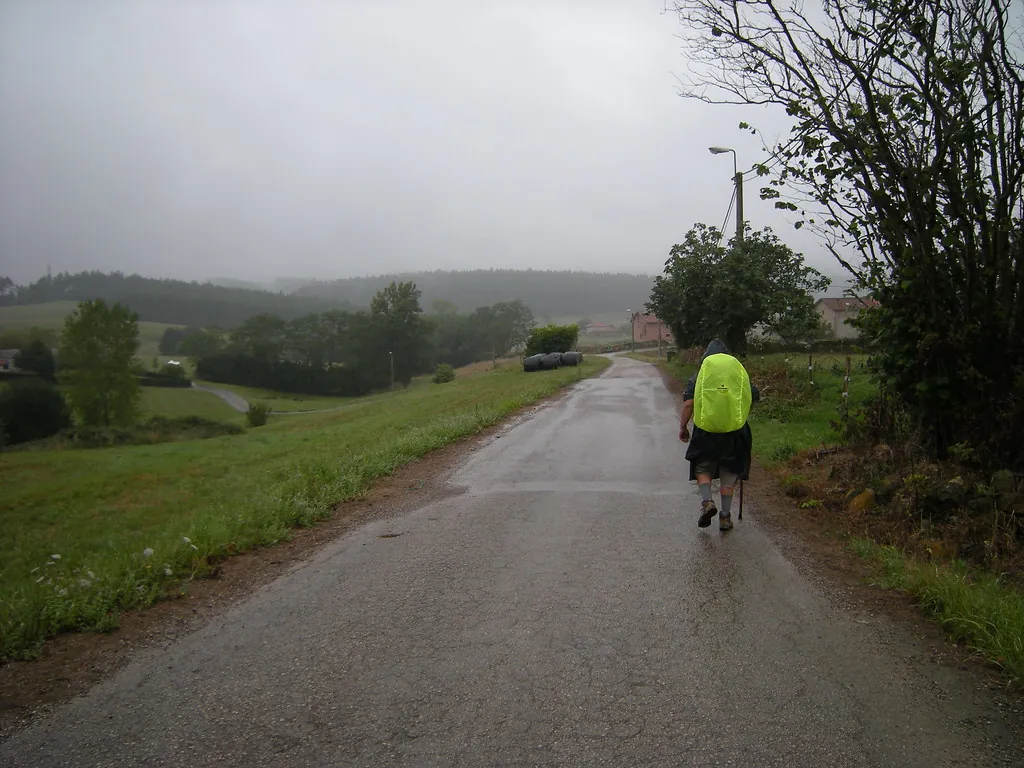
Rain is common in Galicia and along the northern coast. On the Meseta, temperatures can fall below 0 °C, while O Cebreiro and other mountain passes may see snow.
Dirt trails can turn into quagmires. Footwear with good grip and a pair of gaiters will help you stay steady and prevent mud from getting in over the tops of your boots.
Limited daylight
Check sunrise and sunset for your location and date. Leave daylight to spare on arrival and avoid walking over mud or ice in the dark.
Closed albergues, bars and restaurants
Many municipal albergues and some businesses in small villages close for the winter. Confirm your accommodation at least the day before and check the albergue and services directory so you have a backup option.
Carry extra food, as you may find nothing open at lunchtime. When you arrive, ask the hospitaleros about trail conditions and the services available on the next stage.
What gear do you need for the Camino in winter?
- A quality rain jacket: it offers more reliable protection than a poncho in windy conditions.
- A thermal base layer: merino wool is a good choice for your first layer.
- A hat, gloves and neck gaiter: these protect the areas most exposed to the cold.
- A waterproof backpack cover: it keeps rain away from your clothes and dry gear.
- A head torch: carry one as a backup, even when you plan to walk entirely in daylight.
- Tested footwear with a sole suited to the terrain and rain protection; no membrane guarantees grip on ice.
- Gaiters: they are particularly useful on muddy tracks.
Before finalising your pack, check everything against our ultralight Camino packing list. For help choosing between boots and trail shoes, read our guide to footwear for the Camino de Santiago.
Which routes are best for walking the Camino in winter?
French Way
The French Way offers intermediate towns and services, but confirm opening. Check snow and ice before O Cebreiro or any mountain pass.
Portuguese Way
The Portuguese Way can avoid high elevations depending on the stretch. Rain, wind and available services still shape each day.
Northern Way and Original Way
It is best to avoid them in poor weather. Rain can be very heavy on the Northern Way, while snow can make the mountain passes on the Original Way difficult to cross.
Winter Way
The Winter Way is a specific route, not a guarantee of winter safety. Review its stages and services as with any itinerary.
How should you plan each stage in winter?
- Check where you will sleep and confirm that the accommodation will be open.
- Plan your stage around daylight, using winter sunrise and sunset times as your guide.
- Pack extra food in case businesses along the route are closed.
- Ask about trail conditions before leaving: hospitaleros can advise you on the next stage.
- Change your plans if necessary when faced with snow, ice, mud or a lack of services.
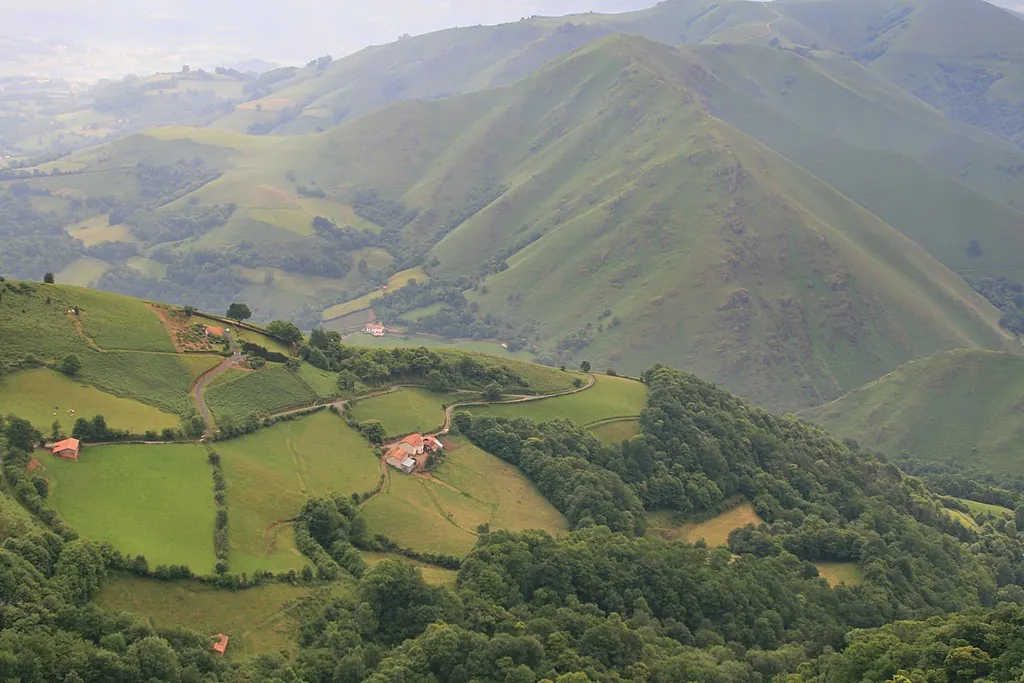
For the Pyrenean crossing, Navarre requires the Valcarlos route from 1 November to 31 March, rather than Lepoeder. Check notices before leaving: being outside the closure dates does not guarantee good weather. Check daylight hours for your location and date, and consult AEMET mountain forecasts. Waterproof boots do not make ice safe; stop at a dangerous passage and seek an authorised alternative. Short stages help spread the effort, but confirm their accommodation opens on your dates.
Frequently asked questions
Is it too cold to walk?
It depends on the area and the day. On the Meseta, temperatures can fall below 0 °C, while in Galicia and the north the usual challenge is a combination of rain and damp. Wear thermal layers and waterproof protection.
Are any albergues open in winter?
Yes, but many municipal albergues close and there are fewer options. Confirm your bed at least one day in advance and identify a backup.
Is it safe to set off before sunrise?
It is not advisable when there is mud or ice. Leave after sunrise and carry a head torch for unexpected delays, not to extend a poorly planned stage.
What is the best route for a winter Camino?
The French Way is usually the most feasible option because of the services that remain open, followed by the Portuguese Way for its milder climate. Your final decision should reflect the weather and the actual conditions along the route.
Do I need to book all my accommodation?
You do not need to book your entire trip at once, but you should confirm the following night's stay at least the day before. That way, you will know whether a closure means you need to adjust your stage.
What is the next step in planning your Camino?
Choose a manageable route, review its stages and identify the services that will remain open. Start with the map of routes, stages and albergues, then build a flexible plan that you can adapt to the weather.