












Camino de Santiago in autumn: September, October and November
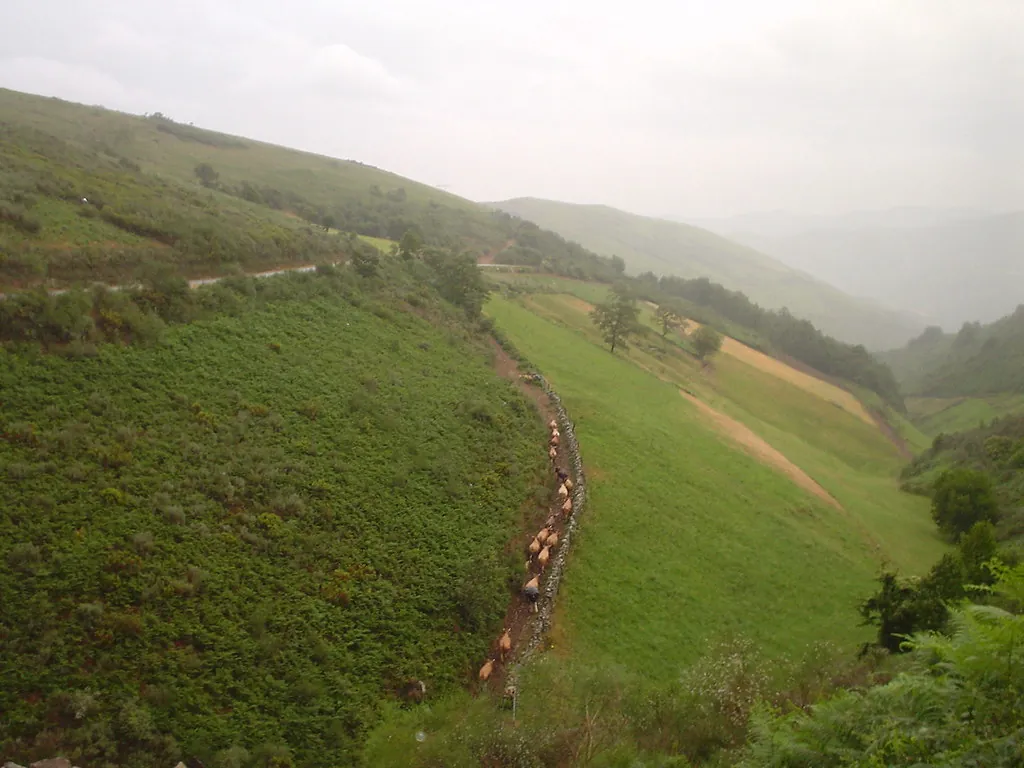
The Camino de Santiago in autumn has three distinct faces: September keeps the buzz and warmth of summer, October brings colour and mild temperatures, while November calls for almost wintry planning. Daylight dwindles, rain becomes more likely and some pilgrim hostels shorten their hours or close. In return, the scenery changes by the day and quiet returns to the trails. Choose your route for the month, not simply for its fame.
What changes on the Camino when autumn arrives
Autumn does not arrive overnight. For much of September, conditions can still feel like summer, especially on the Meseta and in southern Spain. Temperatures fall in October, the woods change colour and mornings grow cooler. November brings short days, Atlantic weather fronts and a far less reliable network of services.
This gradual shift lets you tailor the trip. September suits anyone looking for services, a lively pilgrim atmosphere and plenty of transport options. October rewards those happy to book a little more and carry layers. November is best for experienced walkers who can adjust their stages and choose a well-served route.
Before deciding, compare the season in our guide to the best time to walk the Camino. If your dates are close to winter, also check the specific conditions for the Camino de Santiago in winter. The calendar is a guide; the forecast and open services make the final decision.
September: a second high season
The Camino de Santiago in September is still full of life. Many pilgrims wait until the August holidays end to avoid the heat, yet still find long days, open accommodation and plenty of fellow walkers. On popular routes, especially in Galicia, less pressure than in August should not be mistaken for a lack of demand.
The first few weeks can be hot. On the Vía de la Plata and the Meseta, keep your summer habits: start early, drink regularly and avoid the middle of the day when high temperatures are forecast. Our guide to walking the Camino in hot weather includes precautions that remain useful when summer lingers into September.
Rain becomes more likely on the coast and in Galicia as the month progresses. You do not need to carry your whole wardrobe, but you do need a dependable waterproof layer and dry clothes for the end of the day. September works well for the Northern Way, the Primitive Way and the French Way, with sensible advance bookings wherever beds are limited.
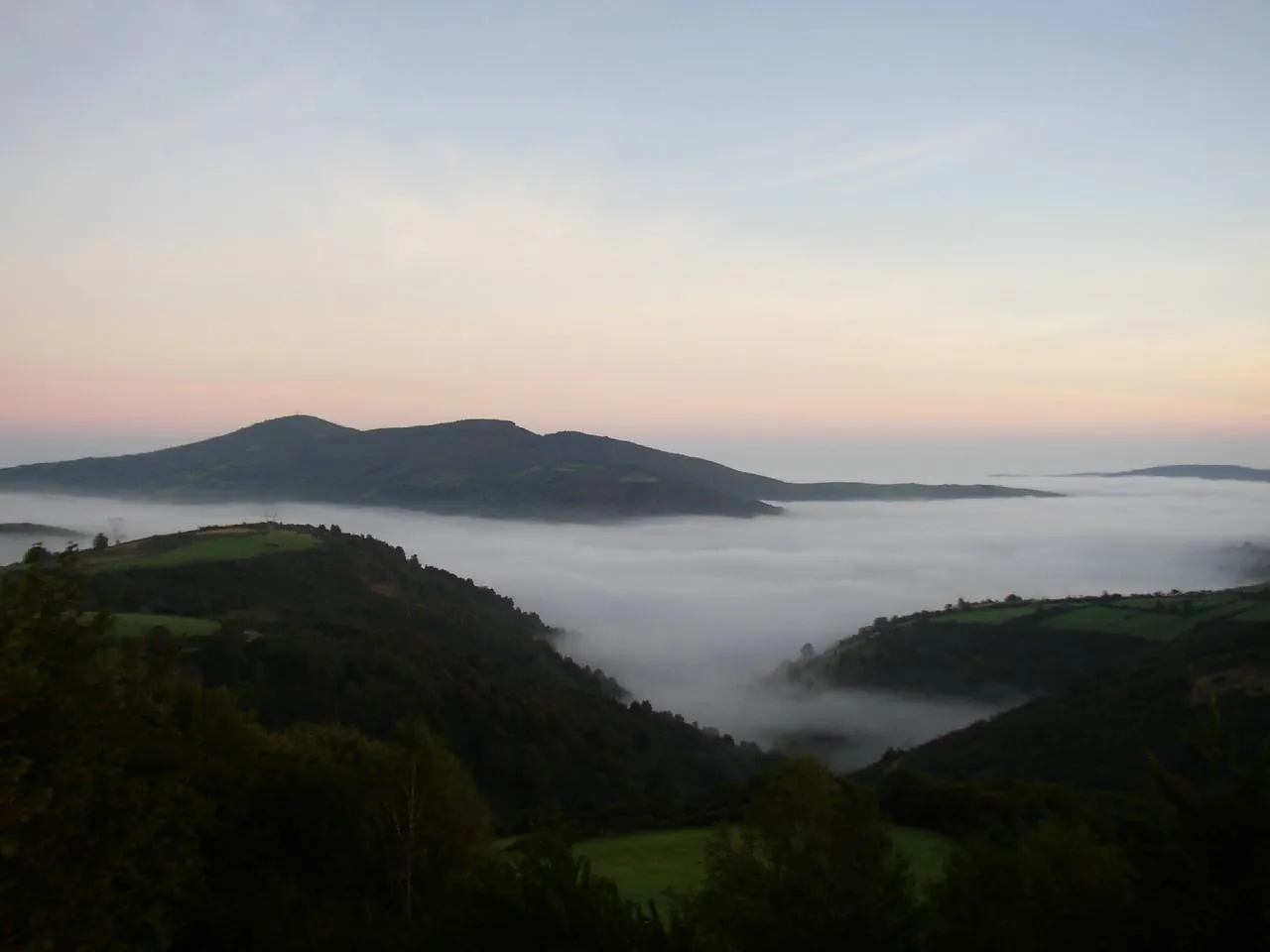
October: the golden month
October is a favourite with many walkers for its low light, ochre woods and temperatures that often make walking a pleasure. It is also a month of rapid transition. One week may be dry and mild; the next wet and cold. Check the forecast town by town rather than applying Santiago’s weather to a stage hundreds of kilometres away.
The vineyards of La Rioja and Galicia follow the grape harvest, although dates vary by area, variety and year. Enjoy the scenery without entering private land or getting in the way of farm work. In chestnut country, nuts and leaves cover the ground, so tread carefully, especially on wet stone.
October eases the pressure on many stages, but seasonal closures also begin. Check each of the available accommodation options, particularly on quieter routes. An online listing may show old opening times; contact the property before relying on it.
November: quiet trails and closing services
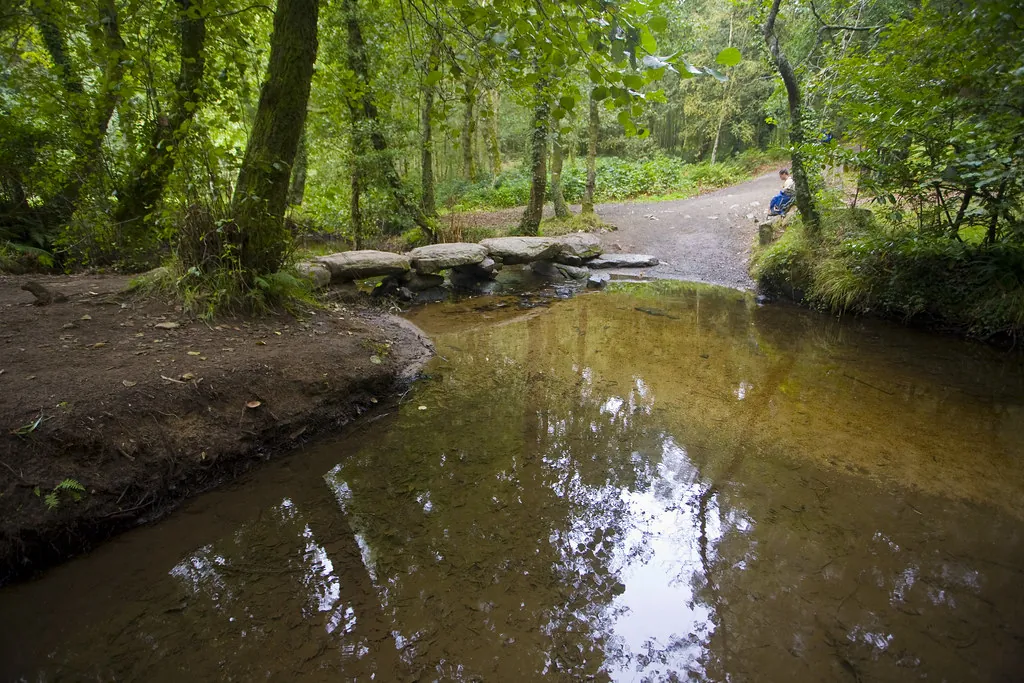
The Camino de Santiago in November already requires a low-season mindset. There are fewer daylight hours, a greater chance of cold and rain, and pilgrim hostels, bars or shops may close in small villages. Copying stages from a summer guide is not enough: every day, you need to check where you can sleep, eat and refill your water.
Choose routes with frequent towns and alternative transport. Lower sections of the French Way generally offer more options than remote routes, but even there open services are not guaranteed. High passes, including O Cebreiro, can see cold snaps or snow, so adapt your plan to official warnings.
Walking with few people around does not mean walking alone without precautions. Share your itinerary, carry enough battery power and do not push on to reach uncertain accommodation before nightfall. You can use Find companions to meet people with compatible dates and pace; agree in advance on daily distances, bookings and what to do in bad weather.
Recommended routes for each month
September: Northern Way, Primitive Way and long sections
September still has enough daylight for hilly routes and slower stages. The Northern Way combines coast, villages and temperatures that are generally milder than inland, although rain and wind remain possible. Read the complete Northern Way guide to weigh up distances and connections.
The Primitive Way is another good choice if you are ready for its climbs. The Hospitales variant is highly exposed and should be avoided in fog, storms or strong winds. Compare Hospitales and Pola de Allande, then decide close to your departure date.
October: French Way and Portuguese Way
The French Way crosses vineyards, fields and woods that show the changing season beautifully. Its infrastructure makes it easier to adjust your stages, although availability falls as October advances. If this is your first Camino, the French Way guide will help you choose a section that fits your time.
The central Portuguese Way is another sensible option thanks to its access points and frequent towns. The Coastal Way can be more exposed to wind and rain. To choose between them, read our comparison of the Central and Coastal Portuguese Ways.
November: routes with support close by
In November, having shelter and transport matters more than completing a famous route. The final sections of the French or Portuguese Ways let you plan stages between towns with services, though you must still confirm what is open. The compact, well-connected English Way is another possibility when the forecast is favourable.
Avoid committing to high mountains or long stretches with no alternatives. The Vía de la Plata may offer milder temperatures in the south, but the distances between services require careful research. Check every day on the Camino map and keep a spare day for disruptions.
Rain in Galicia: how to live with it
Galicia does not mean walking soaked through, but it does mean accepting that rain may last for several days. Protection works as a system: an outer layer, a covered pack, essentials in dry bags and footwear that drains or keeps water out according to your preference. Test everything first; a new jacket that does not breathe can leave you wet from the inside.
On wet ground, shorten your stride on stone, roots and boardwalks. Walking poles can help if you already know how to use them, but they are no substitute for good soles. Change your socks when needed and treat any hot spot before it becomes a blister. Our guide to foot care on the Camino explains the routine in detail.
Do not dry clothing directly over intense heat if it could damage the fabric. On arrival, air your gear, remove your insoles and prepare the clothes you will set out in. If a storm or warning makes the stage unsafe, use transport and resume your route later; continuity is never worth more than safety.
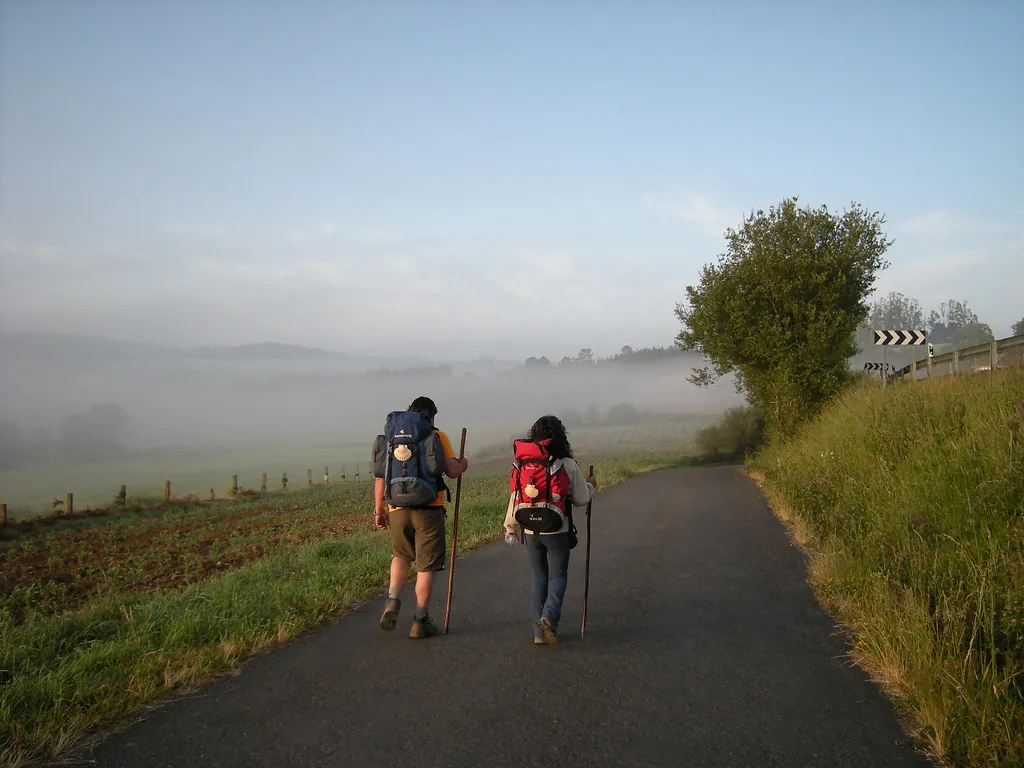
Daylight and realistic schedules
The days shorten noticeably through autumn, and the clock change alters how a walking day feels. Check sunrise and sunset for your exact location each day. A head torch is useful for an unexpected delay or moving around your accommodation, not for routinely turning an unfamiliar trail into a night stage.
Breakfasts, kitchens and reception desks may change their hours in the low season. Ask when booking and buy what you need before the village’s only shop closes. In November, arriving early gives you time to deal with a locked door or travel to another town.
Plan conservative stages and add a free day if your journey home cannot be changed. The Camino planner helps organise your days, but you must then check actual openings and transport links. If you need a recent answer, ask other pilgrims in the forum.
Autumn gear: light, versatile and tested
Layering is the foundation. A top that manages sweat, a warm mid-layer and a waterproof jacket will handle most changes. You may need more insulation in November or at altitude; decide from your route and the forecast, not a one-size-fits-all list.
- Rain: a hooded waterproof and pack protection. Add waterproof trousers if your route and forecast justify them.
- Cold: a thermal layer, thin hat and light gloves for later dates or high ground.
- Visibility: a charged head torch and something reflective for unavoidable road sections.
- Feet: worn-in footwear, spare socks and simple supplies for treating chafing.
- Self-sufficiency: water and some food when the next service has not been confirmed.
The aim is not to prepare for every possible disaster, but to cover likely conditions without carrying dead weight. Use our guide to what to pack for the Camino as a starting point and remove anything without a clear purpose on your trip.
Grape harvest, chestnuts and respect for the land
Autumn coincides with farming and forestry work. You will meet machinery, vehicles and people working on shared tracks. Make yourself visible, follow any marked diversion and do not pick grapes, chestnuts or other produce from private land. Being beside the trail does not make it free to take.
Hunting areas may have temporary signs. Respect them and check alternatives when a restriction is in place. The Camino crosses a lived-in, working landscape, not a theme park. Spending money at open local businesses and behaving considerately does more good than chasing a supposedly authentic experience.
Advice for each month
Camino de Santiago in September
Book ahead at popular finishing points and keep using sun protection. Choose the Northern or Primitive Way if you are comfortable with hills, or the French Way if services are your priority. Do not assume the heat is over; time your starts around the forecast.
Camino de Santiago in October
Carry layers and waterproofs, and keep your plan flexible. Confirm accommodation from the second half of the month onwards. Use the daylight to walk without rushing, but do not lengthen stages simply because the temperature feels comfortable.
Camino de Santiago in November
Plan short days between towns with confirmed services. Allow extra time for rain, cold or closures, and avoid high sections when warnings are in force. Carry a head torch, but arrange your day to arrive before dark.
Frequently asked questions
What is the best autumn month for the Camino?
September offers the easiest access to services and daylight, while October brings quieter trails and autumn scenery. November is possible with experience and planning, but has more closures and shorter days. The best month depends on your tolerance for heat, rain and solitude.
Do I need to book in September?
Booking is wise between Sarria and Santiago, at weekends, in small towns and on routes with few beds. Other sections may offer more flexibility. Check actual availability and do not assume September will be empty.
Do pilgrim hostels close in October and November?
Some shorten their season or take breaks, and the dates change every year. Check up-to-date lists and confirm directly before setting out. Have at least one alternative for each stage, especially in November.
Which Camino is safest in the rain?
No route is free from slippery surfaces or flooding. Routes with frequent towns and transport make it easier to stop or shorten a stage. Check weather and local warnings; if a crossing is unsafe, change your plan.
Can I earn the Compostela in autumn?
Yes, provided you meet the current distance and accreditation requirements, regardless of season. Read our guide to what the Compostela is and how to obtain it, and check for any changes before travelling.