












Camino de Santiago in two weeks: routes and itineraries
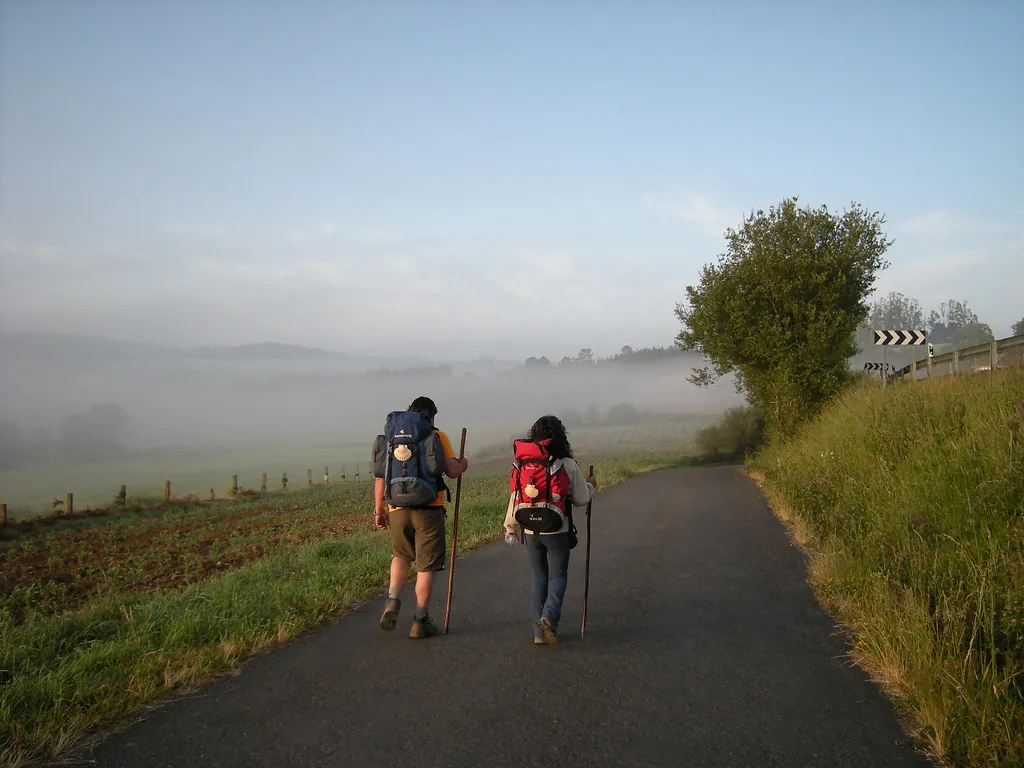
Two weeks on the Camino de Santiago are enough to complete the Primitivo from Oviedo, the Portuguese Way from Porto, the English Way combined with Fisterra–Muxía, or the Winter Way, depending on your pace. You can also walk rewarding sections of the French, Northern or Sanabrés ways. Do not fill all fourteen days with walking before sorting out your outward and return journeys. Keep at least one spare day for transport, rest or bad weather.
What having 12, 14 or 15 days really means
Two weeks off do not always equal fourteen walking days. Count from the moment you leave home until you return. A late flight, a missed bus connection or a necessary night at the starting point can reduce your actual walking time. Work that out first and only then choose your Camino.
With twelve days in total, walking for ten or eleven and keeping the rest for transfers is usually sensible. With fourteen or fifteen, you can spend twelve or thirteen days on the route and retain a buffer. If you live near a well-connected starting point, you will have more usable time than someone who must combine plane, train and bus.
There is no compulsory daily distance. Elevation, terrain, heat, rain and your experience matter as much as kilometres. Our guide to how long the Camino takes will help you find your own pace before copying an itinerary.
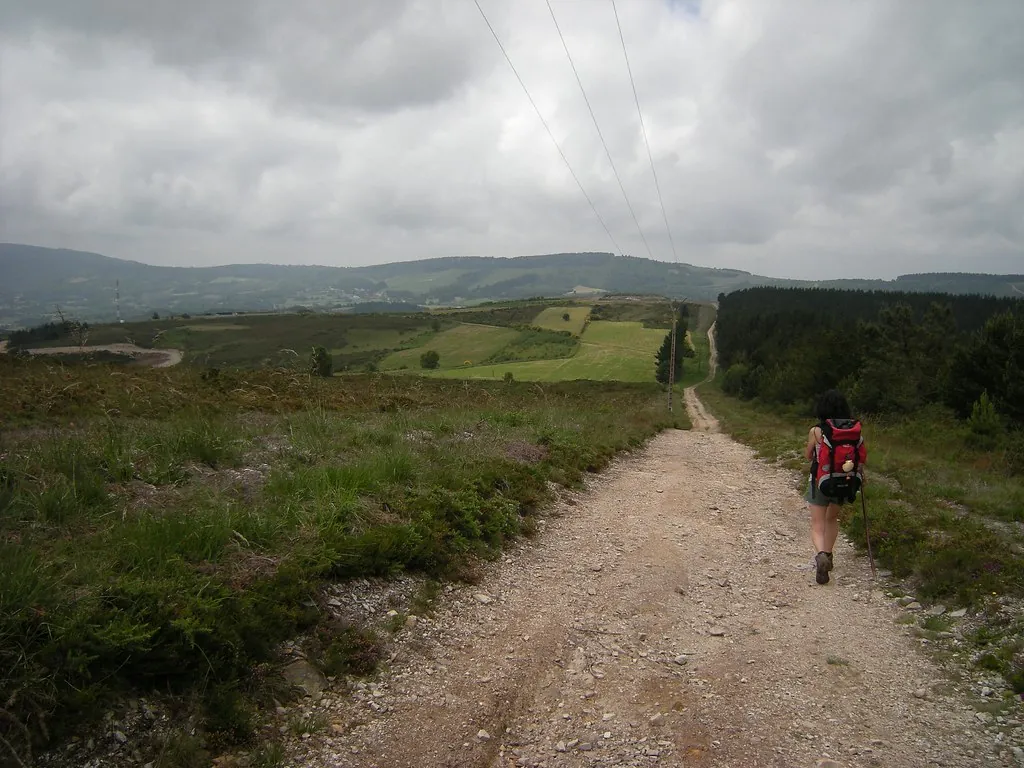
Four complete Caminos that fit into two weeks
Primitive Way from Oviedo
The Primitive Way suits anyone looking for mountains, forests and a physically demanding route. From Oviedo it is usually split over roughly two weeks, although the exact number depends on your stage plan and ability to tackle repeated climbs and descents. It is not the ideal route for breaking in boots or discovering midway that long descents do not suit you.
The difficulty is not confined to one day. Fatigue builds, and the final days join the French Way, where the atmosphere changes. Train with your pack, keep a spare day and choose between Hospitales and Pola de Allande according to the weather. Our guide to the two Primitivo variants explains that choice.
Best for: trained walkers who prefer hills and inland scenery. Drawback: less flexibility at some stage ends and greater exposure to the weather. If you have only twelve days in total, consider starting farther along instead of speeding up.
Portuguese Way from Porto
The Portuguese Way from Porto has good connections, frequent towns and several ways to approach Galicia. It can fit into twelve to fourteen walking days, depending on the route and stage plan. Decide early whether to follow the Central, Coastal or a waymarked combination.
The Coastal route brings the sea and greater exposure to wind; the Central has a stronger Jacobean tradition and runs farther inland. Both include hard surfaces and urban crossings. Read our comparison of the Central and Coastal Portuguese Way before booking, as changing midway affects distances and accommodation.
Best for: a first long-distance walk, travellers who value good connections and anyone keen to walk through two countries. Drawback: asphalt and cobbles in several areas. Leave room for swollen feet and do not wear brand-new shoes from Porto.
English Way plus Fisterra and Muxía
Combining the English Way from Ferrol with the Fisterra Way and Muxía creates a complete journey without choosing a single distant starting point. You first reach Santiago, then continue to the coast. With a sensible stage plan, the whole trip usually fits into twelve to fourteen days.
The second half reverses the usual pattern: Santiago becomes a stop rather than the finish. Save some energy for the hills towards the Atlantic. Choose the order of Fisterra and Muxía according to transport, accommodation and preference; do not add both merely to tick a box.
Best for: variety, two meaningful arrivals and logistics within Galicia. Drawback: the link requires an overnight stay or stop in Santiago, and the coast can be windy and wet. Check return timetables before booking the final night.
Winter Way from Ponferrada
The Winter Way avoids O Cebreiro and passes river valleys, vineyards and the Ribeira Sacra before joining the Sanabrés. Despite its name, it is not limited to the colder months. From Ponferrada it can fit into two weeks without a string of disproportionately long stages.
It has less pilgrim infrastructure than the French Way, so accommodation, meals and distances between services need careful checking. That lower density is part of its appeal, but it leaves less room for improvisation. Confirm every stop and carry an alternative transport option.
Best for: self-reliant pilgrims who know how the Camino works and want a quieter route. Drawback: more scattered services. Do not choose it solely to avoid crowds if you need frequent facilities.
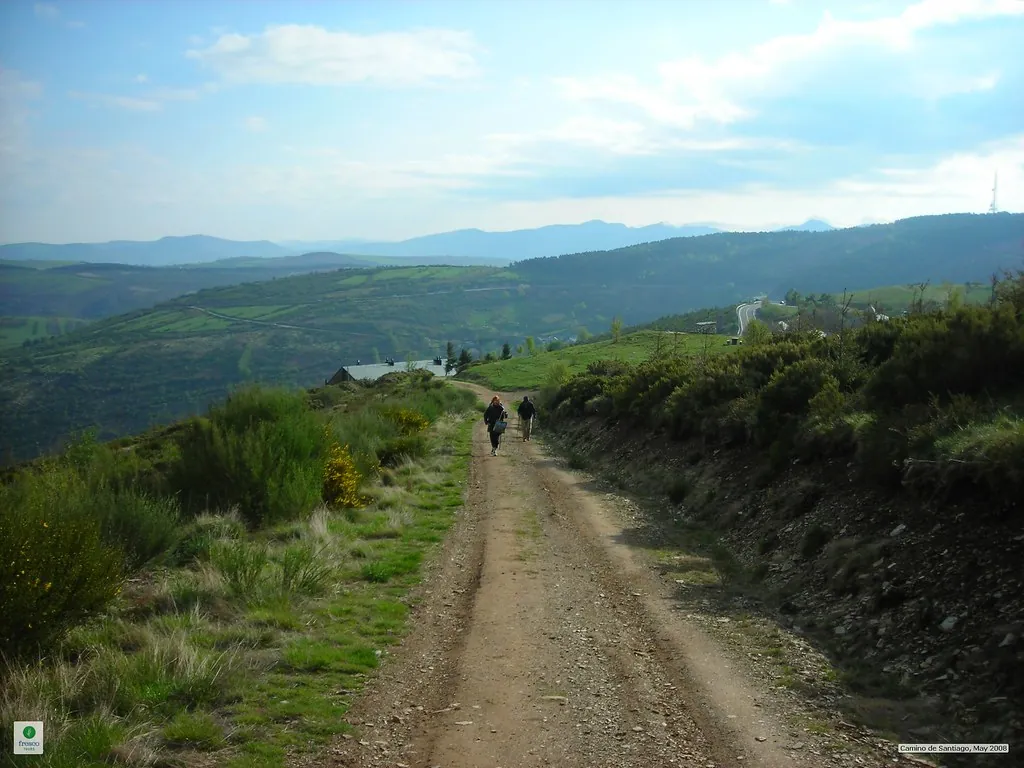
Sections of longer routes for 12–15 days
French Way from León
From León you cross a remarkably varied final section: city, plateau, Montes de León, Bierzo, the entry into Galicia and the finish in Santiago. For many people it fits into about two weeks, although a comfortable schedule may require longer. If time is tight, start in Astorga or Ponferrada instead of stacking up long stages.
The French Way offers the greatest flexibility in services and transport in this selection. The mood also changes when it meets pilgrims starting in Sarria. Our complete French Way guide helps you assess this section without repeating the entire route here.
Best for: a first long Camino, varied culture and flexible stages. Drawback: heavy traffic on the final stretch in popular periods. Book ahead when your dates coincide with holidays or major events.
French Way from Ponferrada
Ponferrada is a sensible option for a ten-day Camino de Santiago or for two weeks with rest days. You cross Bierzo, tackle the entry into Galicia and walk without turning every day into a test. The extra time lets you split a stage, explore at leisure or adapt to bad weather.
If you have fifteen days, you do not have to move the start backwards simply to fill the calendar. A rest day on the route and another in Santiago can improve the journey. To plan the finish, see what to do in Santiago de Compostela.
Northern Way from Ribadeo
From Ribadeo, the Northern Way leaves the coast and crosses inland Galicia before joining the French Way. It usually fits comfortably into twelve to fifteen days, allowing moderate stages and useful leeway for rain. The route remains hilly even after the sea disappears.
Best for: anyone wanting a green section, less concentrated than Sarria, with a finish in Santiago. Drawback: damp weather, varied surfaces and fewer services than on the French Way. Read the Northern Way guide to understand the complete route.
Northern Way from Gijón
Starting in Gijón adds Asturias and makes the plan more demanding. A trained walker doing long stages may fit it into fifteen days, but there is little room for delay. Before committing, map every day and check whether the accumulated effort resembles your training.
The sensible answer is not to rush, but to accept an earlier finish or start in Ribadeo. If you choose Gijón, keep a contingency day and book flexible return connections. A rain delay should not force you into two punishing days in a row.
Sanabrés Way from Ourense
From Ourense to Santiago you walk the final part of the Sanabrés Way, normally used by those arriving via the Vía de la Plata. You are not completing the Vía de la Plata from its beginning; you are choosing a Galician section that fits easily into less than two weeks.
It is a useful ten-day Camino option because it leaves time for arrival, rest and the journey home. The climb out of Ourense and other hills deserve a realistic stage plan. If you have days left, do not automatically fill them with more kilometres; spend time in the towns or keep the buffer.
Best for: a quiet inland route with rail access to the starting city. Drawback: fewer accommodation choices on some stages. Confirm opening dates and evening meals before setting off.
How to plan stages without ruining the second week
Start with a distance you have already walked on several consecutive days. Your first stage does not need to prove anything. An overlong opening day can cause blisters or strain that stays with you for the whole trip. If your experience is limited, begin moderately and see how your body responds.
Alternate demanding days with manageable ones. Check the elevation profile as well as distance and consider the surface: a long descent or muddy track slows you down. Put your rest day somewhere with accommodation, food, a pharmacy and transport, not necessarily at the mathematical midpoint.
Your minimum plan should include:
- Arrival day: reach the start, buy what you need and sleep.
- Walking blocks: stages suited to the elevation and your experience.
- Buffer: at least one day that can absorb fatigue, weather or transport problems.
- Arrival in Santiago: realistic time for errands and rest.
- Return: a checked connection from your chosen finish, using a current timetable.
Draft your trip in Plan your Camino and compare it with the route map. If a day only works when everything goes perfectly, it is not a good stage.
Getting there and back
Reach the start with time to spare
Sleeping at the starting point prevents you beginning after hours of travel. It also gives you time to buy food, collect your credential and deal with delays. If that is impossible, plan a short first stage and make sure the last connection arrives before your accommodation closes.
Do not book an impossible return
A ticket from Santiago on the same afternoon as a long stage leaves little leeway. Add a final night if transport is inflexible. If you finish in Fisterra or Muxía, check the connection to Santiago first; timetables change by season and must be checked before departure.
Sort out your luggage
Walking for two weeks does not require fourteen changes of clothes. Wash items along the way and pack layers. If you need a suitcase moved, check the options for luggage transfer between stages, but confirm coverage and dates with each operator.
How to choose for your travel style
I want mountains and a challenge: the Primitivo from Oviedo, with training and weather leeway. I want simple logistics: the Portuguese from Porto or the French from León or Ponferrada. I want variety and a coastal finish: the English plus Fisterra–Muxía. I want fewer people: the Winter Way, accepting fewer services.
It is my first Camino: favour a flexible service network and stages you can shorten. Our guide to choosing your first Camino helps you weigh difficulty, atmosphere and season. I am going alone but want company: find compatible dates and pace in Companions without giving up your independence.
I have only ten days: start in Ponferrada, Ribadeo or Ourense, or complete the English Way. I have fifteen days: the Primitivo, Portuguese from Porto and Winter Way gain useful breathing room. Do not add stages merely to use up your holiday; rest is part of the plan too.
Bookings, budget and preparation
Book your arrival, return and towns with limited accommodation. In high season or over holidays it may be wise to secure more nights; outside those periods, confirm that places are open. Prices, timetables and policies change, so check directly before travelling.
Two weeks magnify every small problem. Train on consecutive days, test your pack and footwear, and learn to care for your feet. Our eight-week training plan provides a flexible foundation.
Build a budget with room for a private room, transport or replacement gear. See our guide to the cost of the Camino and update prices near your departure date. Saving well does not mean relying on a single cheap bed that may be unavailable.
Frequently asked questions
Which Camino can you complete in 14 days?
The Primitivo from Oviedo, Portuguese from Porto and Winter Way usually fit with a suitable stage plan. So does the English Way combined with Fisterra–Muxía. Your transport and pace may reduce the walking days available.
Is it better to walk for 14 days straight or take a rest day?
For most people, keeping at least one spare day is wiser. Use it to rest or retain it as a contingency. Walking every day can work if stages are moderate and your return plans are flexible.
Which route should I choose for a 10-day Camino de Santiago?
The complete English Way, French Way from Ponferrada, Northern Way from Ribadeo or Sanabrés from Ourense are sensible options. Include transfers within those ten days and do not choose on distance alone.
Can I start the Northern Way in Gijón and reach Santiago in two weeks?
It may be possible for trained walkers tackling demanding stages, but there is little margin. Ribadeo is a more conservative start. Map the full itinerary and compare its profiles with your real experience.
Do I need to book every night?
It depends on the season, route and group size. Book critical stops and always confirm opening. On routes with limited supply, firmer planning prevents you walking towards a bed that does not exist.
Where can I ask about a particular stage?
Check the route pages, accommodation listings and official sources. For recent experience from other walkers, use the Peregrinia forum, then verify timetables, prices and availability.