










How Long Does the Camino de Santiago Take?
In brief
How long does the Camino de Santiago take? The French Way needs 32-35 days; from Sarria, 5-6. Compare every route and choose the right itinerary.
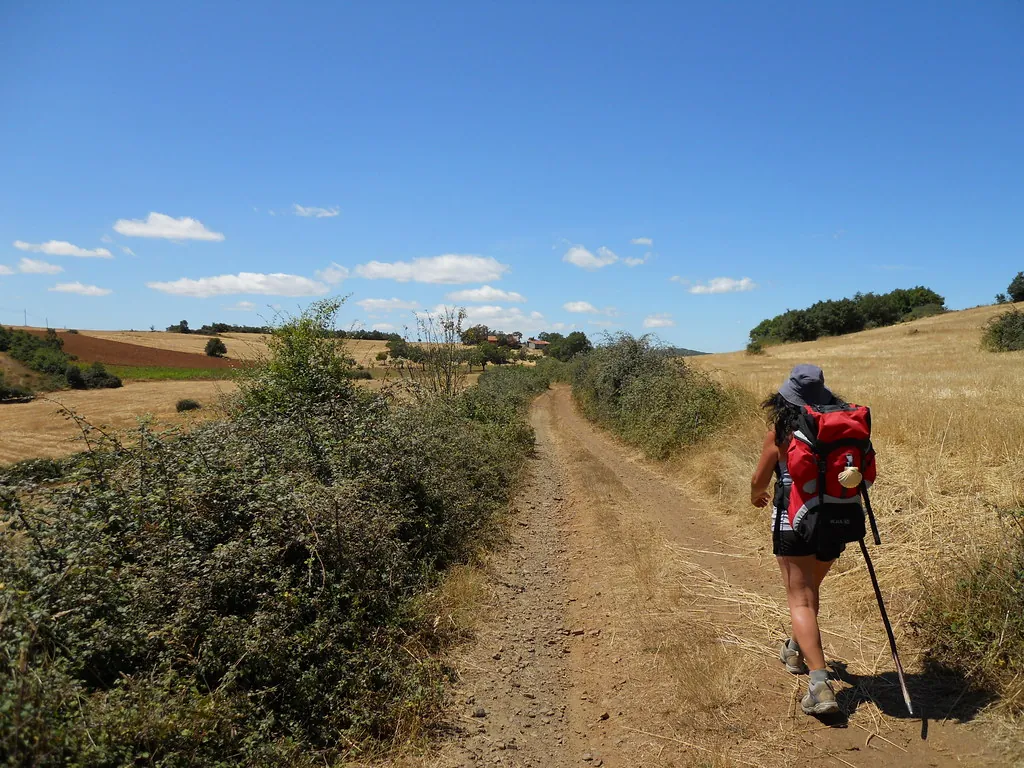
The Camino de Santiago can take anywhere from 3 days to more than a month, depending on the route and where you start. The full French Way usually takes 32-35 days; from Sarria, allow 5-6 days to cover roughly 115 km to Santiago.
At a glance
- From Sarria to Santiago: 5-6 days.
- Full French Way: 32-35 days.
- One stage normally takes one day, but it is wise to add a 10-15% buffer.
- If time is short, the English Way is a better fit than chopping up a long route at random.
How long each Camino de Santiago route takes
The number of stages gives you a useful starting point: as a rule, one stage equals one day of walking. You can combine two short days, split a long one or add rest days, but these figures will help you book dates and transport without relying on an unrealistic estimate.
- French Way: 772 km and 33 stages; allow 32-35 days.
- Northern Way: 822 km and 36 stages; allow 35-38 days.
- Via de la Plata: 973 km and 36 stages; allow 35-40 days.
- Portuguese Way: 619 km and 25 stages; allow 24-27 days.
- Mozarabic Way: 419 km and 18 stages; allow 17-19 days.
- Sanabrés Way: 366 km and 13 stages; allow 13-15 days.
- Primitive Way: 309 km and 14 stages; allow 13-15 days.
- Portuguese Coastal Way: 268 km and 12 stages; allow 11-13 days.
- Winter Way: 260 km and 10 stages; allow 10-11 days.
- Aragonese Way: 161 km and 6 stages; allow 6-7 days.
- English Way: 116 km and 6 stages; allow 5-6 days.
- Fisterra Way: 116 km and 4 stages; allow 3-4 days.
- Spiritual Variant: 107 km and 4 stages.
- English Way from A Coruña: 74 km and 3 stages.
These ranges are not set in stone. An official 14-stage itinerary might take 16 days if you add two rest days, or slightly less if you combine compatible stages and your body is used to walking.
How many days you need from Sarria to Santiago
From Sarria, most pilgrims walk 5 stages over 5-6 days: Sarria-Portomarín, Portomarín-Palas de Rei, Palas de Rei-Arzúa, Arzúa-O Pedrouzo and O Pedrouzo-Santiago. The route covers about 115 km, exceeding the minimum of 100 km on foot required to apply for the Compostela.
With five days, you can follow the classic stage plan. Six days let you shorten a demanding stage or walk at a more relaxed pace; our guide to the final 100 km from Sarria will help you plan the whole section.
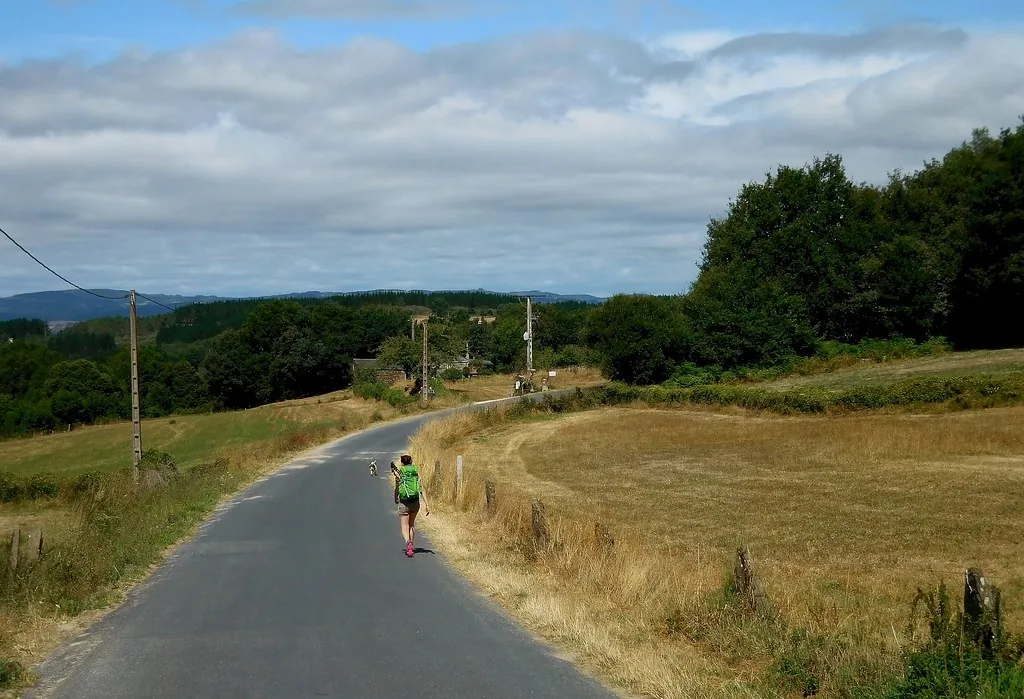
Which Camino to choose for the time you have
If you have 3 to 5 days
The Fisterra Way takes 4 stages if you start in Santiago. If your goal is to reach the cathedral from somewhere else, the English Way from A Coruña covers 74 km in 3 stages, while the route from Ferrol covers 116 km in 6 stages; to complete it in five days, you would need to adjust the stage plan.
If you have one week
Sarria-Santiago fits comfortably and lets you spread the effort more evenly. You could also complete the 6 stages of the English Way from Ferrol and keep the remaining day for rest or sightseeing in Santiago.
If you have two weeks
The Primitive Way covers 309 km in 14 stages, while the Sanabrés Way covers 366 km in 13 stages. Both make complete itineraries for around fifteen days, although the terrain and your experience should matter just as much as the distance.
If you have a month or more
The full French Way takes around a month, while the Northern Way and the Via de la Plata generally require more time. If you have exactly 30 days, do not force a 36-stage route into your schedule: start farther along the route or save some stages for another trip.
What can make your Camino longer or shorter
- Your fitness: a well-trained walker can sustain 25-28 km a day; if you are starting from scratch, planning for 15-18 km is usually more sensible.
- Elevation: a flat day across the Meseta is not the same as the climb to O Cebreiro or the rolling hills of the Primitive Way.
- Time of year: summer brings more daylight, but also heat; in winter, the days are short and mountain conditions can slow you down.
- Rest days: add one or two days if you want to stop in Pamplona, Burgos or León, or if you will be walking for several weeks.
- Unexpected setbacks: blisters, tendinitis and accumulated fatigue may force you to shorten a stage. A 10-15% buffer keeps one setback from derailing your journey home.
Do not plan around an average daily distance alone. Check the profile of every stage, find out where you can stay and avoid tackling the toughest stages back to back; if your fitness is not quite there yet, follow an eight-week Camino training plan before you set off.
How to work out your Camino schedule step by step
- Choose a route that fits the time you have available.
- Allow one walking day per stage and mark any stages you want to split or combine.
- Add rest days and the time needed to reach your starting point.
- Build in a buffer for injury, bad weather or changes of pace.
- Check that your return travel does not force you to rush the finish.
Your final plan should suit the slowest pilgrim in the group. If it only works when everyone walks at their limit every day, you either need more days or a shorter route.
Count travel days as well as walking days
For a week away, first place your journey to the starting point and your return from Santiago on the calendar. Five walking days do not automatically mean five days off: a late connection may require a night before starting, and an early flight another night after finishing. Avoid combining the final stage, certificate collection and airport transfer on a tight schedule. A delay or minor discomfort can disrupt it.
Test the plan with several hours walking in your actual shoes and pack, followed by another walk the next day. You do not need a heroic stage to prove anything. Recovery between days matters. If you need less distance on day two, use that information and explore shorter stages before booking.
For a short trip, compare Sarria and Tui and review starting the Portuguese Way in Tui or Valença. Connections, available beds and opportunities to split a day matter alongside distance. A closer start is preferable to sacrificing rest for a longer route.
For the Compostela, do not add disconnected sections. Walking or riding requires 100 continuous kilometres towards Santiago on one recognised route, with the final stage at least the one immediately before the Cathedral. Starts outside Spain require at least 70 continuous kilometres in Spain; cycling requires 200 kilometres. Collect two stamps daily and check unusual cases with the Pilgrim Office: trip length does not guarantee the certificate.
Check cancellation terms too. A flexible night may allow a rest day without paying for two beds or walking out of obligation. With only three days, enjoy a section without promising yourself arrival or a Compostela.
Before paying, review the plan backwards from the finish. Where will you sleep before returning home? Can you get there without rushing the final stage? Is there an alternative for the previous night if you need to stop early? Check every day, not just the first. If one booking prevents any change, review cancellation or redistribute stages. The calendar should still work with a rainy morning, a long lunch or a slower arrival. That margin is not wasted time: it lets you enjoy walking without watching the clock all day.
Frequently asked questions
How many kilometres do you walk each day?
A typical benchmark is 22-24 km a day. A trained walker may manage 25-28 km, while starting with 15-18 km stages helps your body adjust without taking too much punishment.
Can you walk the Camino de Santiago in five days?
Yes. Sarria-Santiago is normally completed in five stages, while the Fisterra Way has four; choose according to whether you want to finish in Santiago or continue from the city to the coast.
Should you plan rest days?
On a route lasting several weeks, one or two rest days give you time to recover and explore cities along the way. They are not essential on a five- or six-day walk, but it is still worth keeping some flexibility.
How should you plan the stages before booking?
Check the map of routes, stages and albergues, review the distances and profiles, then add rest days and travel time. This will show you which itinerary genuinely fits your holiday before you book your tickets.
Do walking days include travel there and back?
No. Add arrival and return travel, leaving time for the final stage and arrangements in Santiago. Five walking days can require seven travel days or more, depending on connections.
Sources consulted
Keep reading
The Final 100 km of the Camino de Santiago from Sarria: Complete Guide
Practical guideWhen Is the Best Time to Walk the Camino de Santiago?
Practical guideFrench Way or Portuguese Way? An Honest Comparison
Practical guidePortuguese Way: Central or Coastal route—which should you choose?