











Sarria or Tui: choosing your first short Camino
In brief
Compare the final sections from Sarria and Tui using the same criteria: days, long stages, terrain, arrival, accommodation and company.
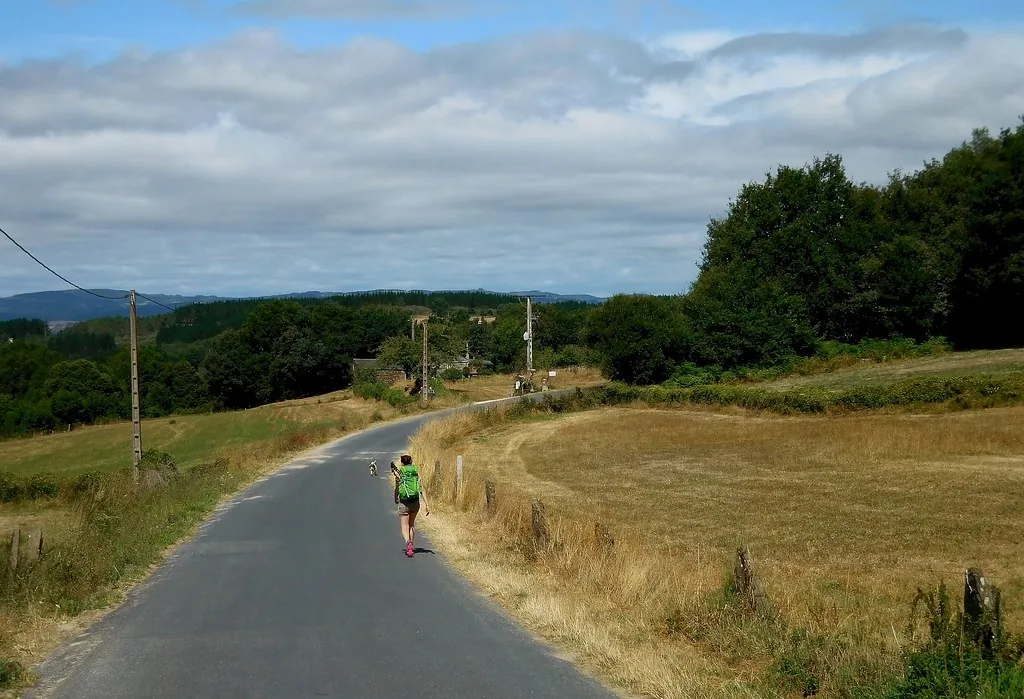
Sarria and Tui both allow you to plan a first Camino of around a week to Santiago, but they offer different starts and distributions of effort. A useful decision compares only the final sections, rather than the entire French and Portuguese Ways. Sarria covers the last stages of the French Way; Tui begins the Galician section of the Portuguese Central Way. Choose after checking arrival travel, long walking days, overnight stops and the flexibility you need to change your plan.
Exactly what we are comparing
From Sarria, you walk the end of the French Way. From Tui, you follow the Portuguese Central Way. Both routes are in Galicia and finish in Santiago. We exclude the Pyrenees, the Castilian plateau and the Portuguese stages from Porto: their characteristics do not help you decide between these two short starts.
The Xunta's official French Way leaflet puts Sarria about 115 kilometres from Santiago, while the Galician Portuguese Way is around 119 kilometres long. Published figures can vary with starting points, variants and measurements. That small difference alone does not determine which suits you. The longest day, gradients and distance to your accommodation matter more than a few kilometres in the total.
If you want to compare entire routes for a trip lasting several weeks, use the French and Portuguese Way comparison. For a week away, focus on the two final sections. This guide applies the same criteria to both: walking days, terrain, services, arrival, company and the ability to adjust your itinerary.
Days and distances: compare the hardest day
Sarria: five days concentrate one long stage
A five-day arrangement follows Sarria–Portomarín, Portomarín–Palas de Rei, Palas de Rei–Arzúa, Arzúa–O Pedrouzo and O Pedrouzo–Santiago. Official references are approximately 22, 25, 29, 19 and 20 kilometres respectively, with variations depending on the route. Day three concentrates the effort: you pass through Melide before continuing to Arzúa. Do not choose it simply because five boxes fit neatly into your calendar.
Separating Palas de Rei–Melide and Melide–Arzúa produces a six-day arrangement. Melide–Arzúa is around 14 kilometres, leaving a shorter day after the previous stage. You can add a seventh day by splitting another section around a confirmed bed; for example, O Pedrouzo–A Lavacolla and A Lavacolla–Santiago are each around ten kilometres. The plan from Sarria develops the logistics of that start.
Tui: six days keep the main stopping places
The usual six-day arrangement links Tui–O Porriño, O Porriño–Redondela, Redondela–Pontevedra, Pontevedra–Caldas de Reis, Caldas de Reis–Padrón and Padrón–Santiago. Approximate references are 18, 15, 18, 23, 19 and 25 kilometres. The arrival from Padrón leaves a long day at the end of the trip. Six days does not mean every stage is short or equivalent.
Reducing this to five days requires joining sections; O Porriño–Pontevedra via Redondela is around 33 kilometres. For seven days, you can split Redondela–Pontevedra at Arcade, creating a short day followed by one of about eleven kilometres. This arrangement still leaves the longer days to Caldas and Santiago. The guide from Tui or Valença shows both plans without hiding their limits.
If your actual maximum is between ten and fifteen kilometres a day, neither conventional arrangement solves every day. You will need more nights and must verify intermediate services. It is not a matter of picking the “right” route based on reputation; it is a matter of creating a suitable schedule. Check the short-stage plans before booking a trip you cannot adapt.
Terrain and scenery on the same scale
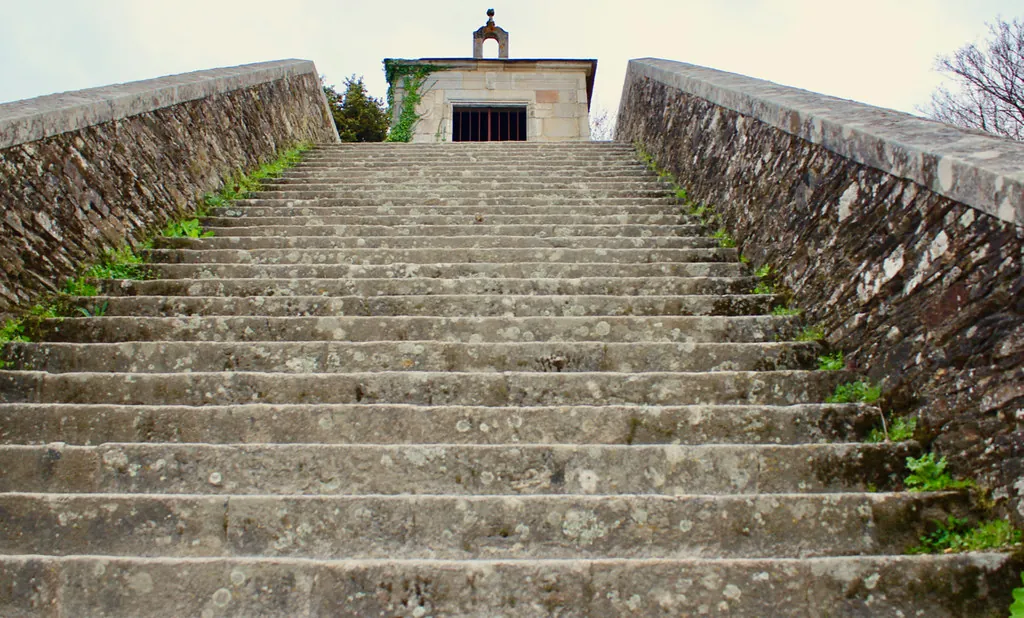
From Sarria, expect rural paths, woodland, villages, paved stretches and approaches to towns. Repeated climbs and descents mean the approach to Portomarín and following stages are not continuously flat. From Tui, you also alternate paths, asphalt and built-up areas. The Mos area and the approach to Redondela show how a fifteen-kilometre stage can demand different effort from a flat stroll.
Neither final section guarantees accessibility because it is popular or has services. Rain, mud, wet paving, steps and slopes can change your experience. If you need particular access conditions, check every section and property. Your daily range should reflect your ability and needs, rather than a general difficulty label.
Tui belongs to the Portuguese Central Way and does not begin a week of beaches. The Coastal Way joins at Redondela, but from that meeting the route continues inland. Sarria does not represent every landscape on the French Way either. If the sea is the deciding factor, consider other starts on the Portuguese Coastal Way and check distance and days again.
Services and accommodation: ask about your own needs
Both final sections have accommodation networks and settlements where you can look for food and shopping. That helps organise a first trip, but does not ensure a free bed or an open business in the next village. Check the accommodation directory using the same conditions for both: dates, dormitory or room, bathroom, location and cancellation. Comparing a shared bed on one route with a private room on the other distorts the budget.
From Sarria, possible stopping places include Portomarín, Palas de Rei, Melide, Arzúa and O Pedrouzo. From Tui, they include O Porriño, Redondela, Pontevedra, Caldas de Reis and Padrón. Both lists help organise nights, but a small intermediate village may offer fewer alternatives than a conventional stage finish. If you want to divide stages, first confirm the bed and how you will eat on arrival.
We do not choose one route as universally cheaper. Costs vary with dates, accommodation type, booking lead time and daytime needs. Include travel to the start and your return from Santiago, rather than just walking nights. The budget guide helps you build the same basket of expenses for Sarria and Tui without comparing different services.
Getting there and returning: often the deciding factor
Check connections from your home to Sarria and Tui before falling in love with an itinerary. Include changes, the final transfer to your bed and room for delays. A direct connection that leaves you rested can matter more than a small difference in scenery. We do not list timetables or frequencies here: check current information with each operator.
The arrival guide for Sarria helps assess options without treating a combination of tickets as a guarantee. For Tui, also consider Valença if it fits your transport, remembering that starting across the Miño adds distance. Portugal and Galicia use different local times; check each cross-border connection's time. Do not fit that crossing into a stage without calculating it.
For either start, sleeping there the previous night helps you begin calmly. Allow time after arriving in Santiago if your return trip cannot absorb delays. Five walking days can require seven or more travel days when arrival and departure are included. Write those dates down before deciding how far to walk each day; the whole calendar avoids comparing two different meanings of “a week”.
Company and atmosphere without guarantees
These sections bring together people just starting and others who have walked for weeks. You may find conversation, but nobody can promise a compatible group or an identical atmosphere on every date. We do not base the choice on age, nationality or gender stereotypes. Useful compatibility usually depends more on pace, schedules, expectations and willingness to listen.
If you want contacts before arriving, post your start, dates, daily maximums and overnight stops in Companions. You might seek someone for a morning walk, a shared dinner or the entire journey; these are different arrangements. Explain whether you will use private rooms or dormitories and how you would handle needing to stop early. The guide to finding company helps make that conversation specific.
Walking alone and talking to others at the end of the day is also an option. Neither route guarantees safety, and company does not replace personal judgement. Keep your own contacts, bookings and the ability to change an arrangement. If a situation feels uncomfortable, you can step away and reorganise the day without having to defend your decision.
The Compostela and your final decision
Both starting points allow you to plan a sufficiently long route towards Santiago for the Compostela, provided you meet current requirements. It is not awarded merely for choosing Sarria or Tui: route, evidence, continuity and purpose of the pilgrimage matter. Carry a credential from the start and collect dated stamps. Read the document guide and check special questions with the Pilgrim Office.
To decide, write down your comfortable day, the longest distance you can manage, total days and resting conditions. Then build one plan from Sarria and another from Tui using those same limits. Reject any plan that relies on an unconfirmed bed or a connection with no flexibility. Choose the one that best fits your actual trip; you do not need to prove that one route is better for everyone.
If both plans fit, let your interests decide: starting in Sarria and its villages, beginning beside the Miño, visiting Pontevedra or arranging nights in a particular way. Use the planner to save your choice. Do not add every possible visit to each afternoon: a first experience can leave room simply to arrive, eat and rest.
Frequently asked questions
Which is easier for a first Camino?
It depends on your arrangement and needs. Compare the longest walking day and available rest. Neither start guarantees an easy journey for everyone.
Can I arrive from either in five days?
Five-day arrangements exist for both, but concentrate long stages: about 29 kilometres between Palas and Arzúa or about 33 between O Porriño and Pontevedra in this guide's examples.
Does Tui offer more seaside stages?
No. From Tui, you follow the Portuguese Central Way. Do not choose this start expecting a week on the coast.
Where will I find companions?
You can meet people on either route, without guaranteed compatibility. Your dates, pace and expectations help prepare company more than a general label about the route.
Do Sarria and Tui qualify for the Compostela?
They allow you to arrange sufficient distance, but you must meet current requirements and document the route. Choosing a starting point does not automatically grant the document.
Cover photo: Irene Grassi (sun sand & sea) · CC BY-SA 2.0 · WebP.