












Camino de Santiago at Easter (Holy Week): routes and bookings
Walking the Camino de Santiago at Easter fits neatly into a five-to-seven-day break, but it requires more planning than an ordinary spring week. Sarria–Santiago sees one of its busiest periods outside July and August, putting pressure on beds, restaurants and transport. You can avoid much of the crowd by choosing the English Way, the Portuguese Way from Tui, the Sanabrés from Ourense or a section of the Primitive Way. In 2027, Easter Sunday falls on 28 March: pack for cold and rain, and confirm every service.
What to expect on the Camino during Holy Week
School holidays, public holidays and a timeframe that suits the final kilometres attract groups, families and solo pilgrims. This is most noticeable on the French Way from Sarria. The whole Camino is not overwhelmed, but certain times and towns can feel very busy.
Numbers are not constant. Departures cluster around the days that allow pilgrims to reach Santiago before returning to work, and many follow similar stages. Moving your trip by one night, staying outside the classic stage towns or choosing another route can transform the experience.
You will also encounter religious services, processions and changed opening hours. They belong to local life rather than a programme for pilgrims. Check municipal and parish information shortly before travelling, respect processions and never assume shops, pharmacies or restaurants will keep normal hours.
Holy Week 2027: spring is still young
In 2027, Easter Sunday is on 28 March. That places the journey at the start of spring on the Camino: expect cold mornings, prolonged rain, mud and possible snow at higher elevations. Do not pack as though you were walking in May.
The date also affects services. Some seasonal accommodation may open for the holiday and close afterwards; others may not yet have opened. Timetables published far ahead can change. Confirm opening, reception, evening meals and booking conditions directly before setting out.
Check the forecast for each area two or three days beforehand and keep checking while walking. Warnings for wind, storms, snow or flooding are good reasons to change a stage. Compare the season in our guide to the best time to walk the Camino.
Why Sarria–Santiago gets so busy
The section from Sarria combines three advantages: it covers the distance commonly associated with earning the Compostela on foot, has good connections and fits into a week. At Easter, many pilgrims start together and stop in Portomarín, Palas de Rei, Arzúa and O Pedrouzo.
The pressure extends beyond dormitories. Restaurants may have queues, taxis may be busy and buses full, especially at the beginning and end. Book your main transport and first night before minor details. Our guide on getting to Sarria explains the options.
If you choose this section, avoid joining the rush at the same hour. Have breakfast where you stay, carry a simple snack and consider less obvious stage endings. Review the Sarria to Portomarín stage and other days on the map, but confirm accommodation before changing the stages.
How to avoid the crush without cancelling the trip
Choose another starting point
You do not have to walk from Sarria to experience an arrival in Santiago. The English Way from Ferrol, the Portuguese Way from Tui and the Sanabrés Way from Ourense normally fit into a week when sensibly divided. They also attract pilgrims, but spread them across different corridors.
A section of the Primitive Way offers climbs, woodland and a different atmosphere. Do not choose it solely to escape crowds: it is harder, and March can bring mud, cold and difficult high-level conditions. Pick a well-connected section and allow for the weather.
Shift your dates if possible
Arriving a day before the main wave or finishing afterwards may ease pressure on transport and beds. Only do this if tickets and commitments allow. Do not count on an empty day: occupancy changes quickly during a holiday week.
Break up the classic stages carefully
Sleeping between the best-known stage towns spreads the walk, but your alternative stop needs a confirmed bed and somewhere to eat. Do not extend a day at random or move kilometres off-route without arranging transport. The aim is calm, not fragile logistics.
Travel with a plan B
Record a second accommodation or transport option for the most sensitive days. If a booking fails, call before walking to another door. Recent experiences on the Peregrinia forum are useful, but verify practical details with the provider.
Five-to-seven-day routes
Sarria–Santiago: the classic
This section suits anyone seeking plentiful infrastructure, a lively pilgrim atmosphere and familiar logistics. It usually takes five or six days, depending on pace and stops. Easter calls for early bookings and acceptance of a busy trail.
Do not turn the last day into a race. Decide whether you want time to collect the Compostela, attend a service or simply rest. Times and requirements change, so read our Compostela guide and official sources before travelling.
Ferrol–Santiago on the English Way
The English Way is compact, alternating estuaries, towns and inland stretches. It can be walked in five to seven days without extreme stages, depending on fitness and overnight stops. Its shorter distance does not make it flat or guarantee fair weather.
Check accommodation because it is less dense than on the French Way. Ferrol has urban transport links and Santiago makes the return easy. It is a strong choice for completing a route with its own identity within one week.
Tui–Santiago on the Portuguese Way
The Portuguese Way from Tui combines reasonable access, frequent towns and a route usually covered in five or six stages. It is also popular during holidays, so it is no secret hideaway, although the crowds feel different from the mass departure at Sarria.
Urban crossings and hard surfaces demand good foot care. Book ahead in small towns and consider a short day before Santiago for a relaxed arrival. Our complete Portuguese Way guide gives the wider context.
Ourense–Santiago on the Sanabrés Way
From Ourense, the Sanabrés offers a quieter inland route with climbs from the outset. It can fit into six or seven days with reasonable preparation. Scattered services mean checking every overnight stop, especially this early in the season.
Do not copy another pilgrim’s distances if you have not trained on hills. An overambitious first day can shape the whole week. Use Plan your Camino to arrange the stages and retain room for changes.
A section of the Primitive Way
If finishing in Santiago is not essential, choose five or seven well-connected days on the Primitive Way. If the cathedral is your goal, a later start such as Lugo may fit, although from Melide you join the French Way and its heavier traffic.
The Primitive Way needs better fitness and careful weather checks. The Hospitales variant should not be treated as compulsory in March. Read the comparison of Hospitales and Pola de Allande and follow the safe alternative indicated locally.
Bookings: what to secure first
Start with the hardest items to replace. Travel to the start, your first night and your stay in Santiago often determine everything else. Then book small towns or stages where the next bed is too far away. Read cancellation, arrival and payment conditions.
Public albergues may not accept bookings and their rules vary. Never rely on a non-bookable bed as your sole guarantee at a peak time. Check the accommodation directory near departure and save telephone numbers.
Groups should not assume several beds are as easy to find as one. Agree on budget, room type and what to do if only separate places remain. Our guide to albergues and private accommodation explains the differences.
Changeable weather and a March pack
Layers remain the practical answer: a breathable top, warm layer and waterproof, windproof shell. Pack a light hat and gloves if forecast or altitude warrants them. Keep documents, dry clothes and electronics in waterproof bags inside your pack.
Footwear should be broken in and grip well on mud and wet stone. No membrane compensates for worn soles. Change into dry socks and treat hot spots immediately; our blister-prevention guide explains what to do.
Daylight is still limited compared with May or June. Start with time to spare, carry a head torch and avoid planning to arrive at dusk. Check the general Camino packing list, but do not add weight for every remote possibility.
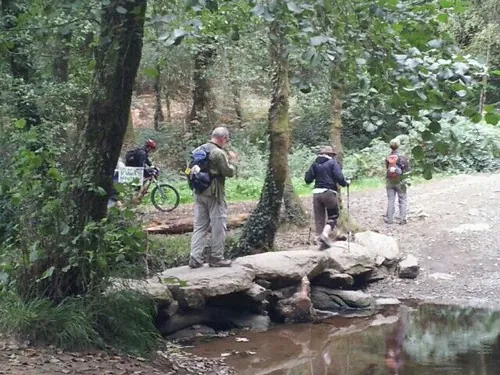
Processions, services and closures
Processions may close streets or change access to accommodation. Arrive early, ask about the local route and follow instructions. Keep quiet when appropriate and never cross a procession just to maintain your walking pace.
Churches and offices may change hours for liturgical events. Check the official programme close to the date if you wish to attend; visitors should accept restricted access. In Santiago, the cathedral and Pilgrim Office are separate places with separate information.
Public holidays also affect shops and transport. Buy food before reaching a village without confirmed services and check return tickets. An emergency sandwich and a flexible day are more useful than a minute-by-minute itinerary.
Frequently asked questions
When is Holy Week in 2027?
Easter Sunday is 28 March 2027. Because it falls early, prepare for early-spring conditions and confirm that accommodation and services are open.
Is Sarria too crowded at Easter?
It is one of the busiest periods outside July and August. The route remains walkable, but book ahead and expect company. Choose another route or shift your dates for more peace.
Which Camino fits best into five days?
The English Way from Ferrol and compact plans from Tui or Sarria are common choices. The answer depends on pace, transport and beds. Do not force stages merely to claim a completed route.
Can I walk without booking?
That is risky on popular sections and for groups. If using non-bookable accommodation, keep confirmed alternatives and transport options. Never assume a seasonal property is open.
Which route is quieter?
The Sanabrés from Ourense and some Primitive Way sections usually spread demand better, but offer fewer services and tougher walking. Quieter does not mean easier.
How can I find walking companions for those dates?
Post your route, starting point, pace and dates in Companions. Discuss bookings and expectations before setting out together, and remain able to change plans if the weather requires it.
Sources consulted
Featured places on this route
Albergue de Peregrinos do Cebreiro
Municipal hostel · O Cebreiro, Pedrafita do Cebreiro
San Nicolás de Flüe Hostel
Donation-based hostel · Hospital de Órbigo
Albergue de Peregrinos de San Lázaro
Municipal hostel · Santiago de Compostela
Albergue de Peregrinos de Triacastela
Municipal hostel · Triacastela
Albergue de Peregrinos Dos Chacotes
Municipal hostel · Os Chacotes, Palas de Rei
Albergue de Peregrinos de Palas de Rei
Municipal hostel · Palas de Rei