



French Way or Portuguese Way? An Honest Comparison
In brief
Choose the French Way if you want the most sociable experience, excellent infrastructure and a wide variety of landscapes. Choose the Portuguese Way if you would prefer a gentler, quieter route that is easy to fit into a short holiday.
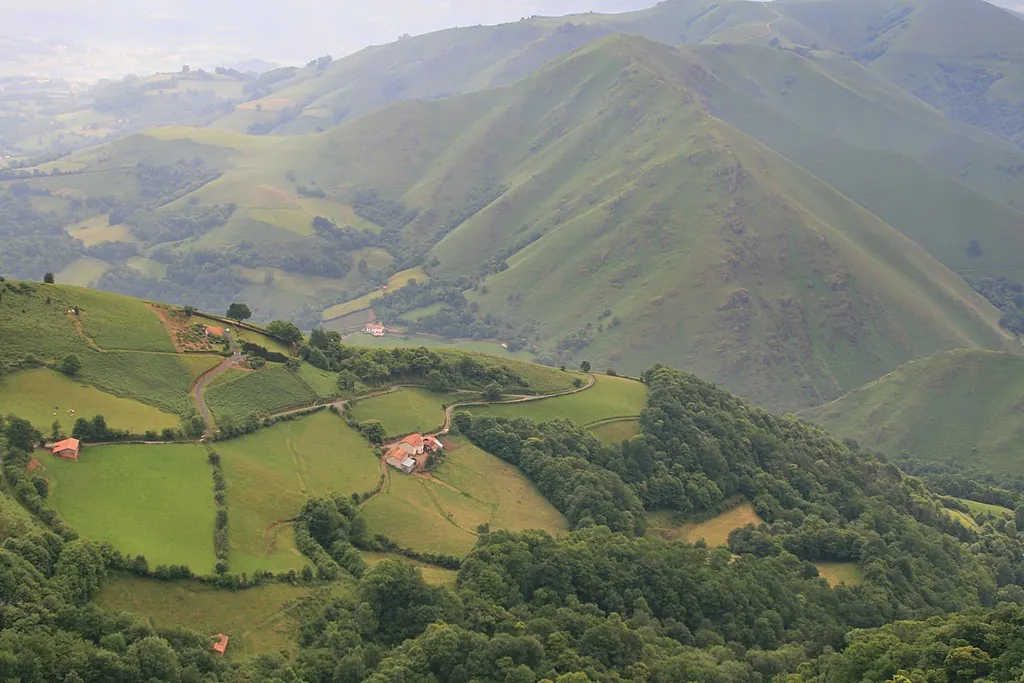
Choose the French Way if you want the most sociable experience, excellent infrastructure and a wide variety of landscapes. Choose the Portuguese Way if you would prefer a gentler, quieter route that is easy to fit into a short holiday. Both are good choices for a first Camino: the decision mainly comes down to how many days you have, your fitness level and how lively you want the route to feel.
At a glance
- The full French Way covers 772 km over 33 stages; the Portuguese Way covers 619 km over 25 stages.
- The French Way offers a livelier pilgrim community, more services and greater landscape variety, but it also has more climbing and larger crowds.
- The Portuguese Way has a gentler profile and a more relaxed atmosphere, especially outside July and August.
- If time is short or you have sensitive joints, the Portuguese Way is usually a better fit; for a major journey lasting several weeks, choose the French Way.
What are the differences between the French Way and the Portuguese Way?
The French Way runs for 772 km from Saint-Jean-Pied-de-Port and is divided into 33 stages. Walking the entire route usually takes between 32 and 35 days, so you need to set aside almost five weeks and be ready for dramatic changes in terrain.
The full Portuguese Way starts in Lisbon and covers 619 km over 25 stages. Many pilgrims begin in Porto to fit the journey into a shorter timeframe, a particularly practical option if you cannot devote a full month to the Camino.
There is also the Portuguese Coastal Way, covering 268 km over 12 stages. It is the obvious alternative if walking by the sea matters greatly to you, but do not confuse it with the Central Route: they share a destination, but their scenery and paths differ for much of the journey.
- Full French Way: longer, with 33 stages and a commitment of almost five weeks.
- Full Portuguese Way: 25 stages and more flexibility to join the route partway through.
- Portuguese Coastal Way: 12 stages with the Atlantic taking centre stage.
Which is harder, the French Way or the Portuguese Way?
The French Way is more demanding. The Pyrenees crossing comes right at the start, the Meseta combines long stages with little shade and, before entering Galicia, the climb to O Cebreiro awaits. The challenge is not just the ascent: walking day after day for more than a month creates cumulative fatigue.
The Portuguese Way, especially from Porto, has a gentler profile and few climbs comparable to the major challenges on the French Way. The Central Route has some short, steep hills, but overall it is more manageable for anyone new to long-distance walking or needing to protect their knees.
That does not make the Portuguese Way a stroll. Walking for several consecutive days requires preparation on either route, and the cobblestones along some Portuguese sections can take their toll on feet and joints. If you are unsure about your fitness, first try walking on several consecutive days with the backpack you intend to carry.
What landscapes will you see on each route?
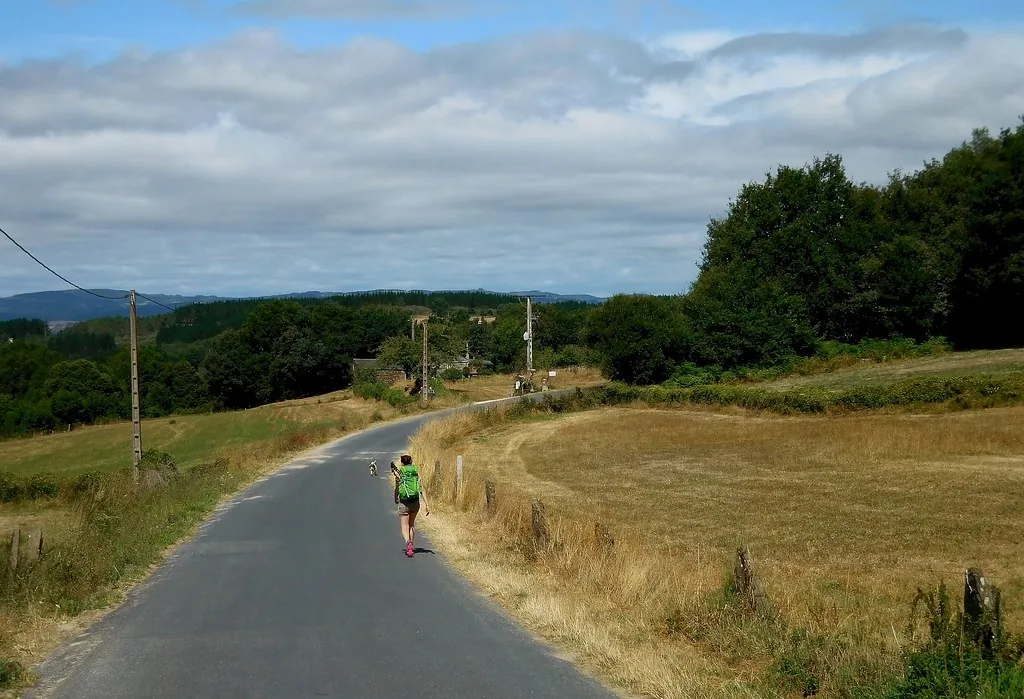
The defining feature of the French Way is its variety: the Pyrenees, the vineyards of La Rioja, the plains of the Castilian Meseta and the green hills of Galicia. The scenery changes dramatically as you progress, and the sense of crossing distinct regions is a central part of the journey.
The Portuguese Way links vineyards in the Douro region, villages, rivers and lush countryside. Its coastal variant also brings beaches and long stretches beside the Atlantic. If having the sea nearby is essential to your enjoyment, the Coastal Way has a clear advantage; if you want continual contrasts, the French Way wins.
Which route has the liveliest pilgrim atmosphere?
The French Way is the more sociable of the two routes. International groups form in its albergues and keep meeting for weeks, making it easy to find company for walking, dinner or tackling a difficult stage. For solo travellers who want to meet people without going out of their way, it offers the easiest setting.
The Portuguese Way has a more intimate atmosphere, particularly outside the high season. Friendships still form, but there is more freedom to walk at your own pace, enjoy the silence or travel as a couple without feeling part of a large group.
The choice is not simply between constant company and total solitude. Even on the French Way, you can set off at a different time to enjoy a peaceful walk, while on the Portuguese Way you will meet other pilgrims at the end of each stage. The difference lies in how frequent and intense those encounters are.
Where is it easier to find albergues and services?
The French Way has the densest infrastructure: albergues, pharmacies, bars and shops appear frequently, allowing you to adjust the day's walk if you are tired or develop a blister. That network provides great peace of mind on a first Camino, although the most popular accommodation can fill up quickly in high season.
The Portuguese Way requires more planning, especially between Lisbon and Porto. The network improves after Porto, but it is still wise to check each stage destination and never assume that several options will be open.
Before booking, check the map of routes, stages and albergues. It will show you where services are located and help prevent a seemingly manageable day from becoming too long because you chose the wrong accommodation.
Which route is more crowded?
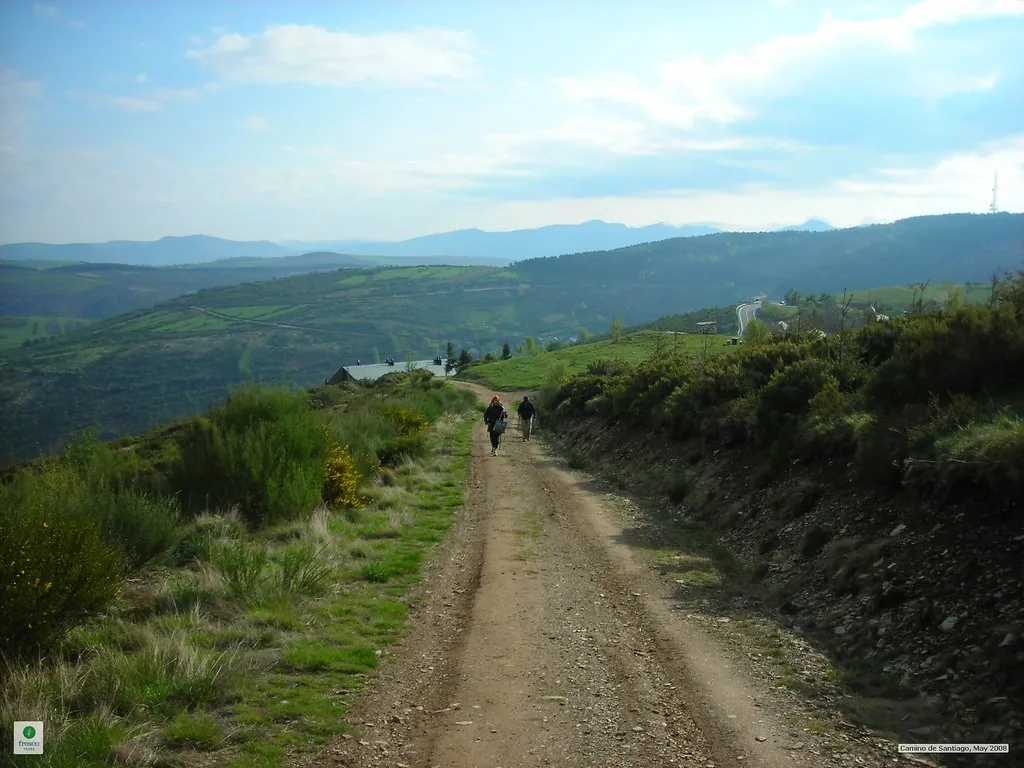
The French Way receives more pilgrims, and the difference is especially noticeable in summer and along the final 115 km from Sarria. This section is usually completed in five stages and meets the minimum walking distance required to apply for the Compostela, so it attracts many people with limited time.
In practice, this means high demand for albergues and longer waits at pilgrim service points. If you choose the French Way in July or August, book whenever you need to guarantee a bed or leave yourself plenty of time, without turning every morning into a race.
The Central Portuguese Way remains more peaceful outside July and August. The coastal variant is growing in popularity but still offers more tranquillity than the final sections of the French Way. If crowds could ruin your trip, this factor alone tips the balance towards Portugal.
When is the best time to walk each Camino?
For the French Way, May, June and September offer mild temperatures and fewer people than the height of summer. July and August are possible, but they bring more heat, greater demand for accommodation and a higher concentration of pilgrims as the route enters Galicia.
For the Portuguese Way, the most balanced periods are April to June and September to October. This avoids the hottest and most humid part of the Portuguese summer. On the Coastal Way, spring and autumn let you enjoy the Atlantic with less pressure on accommodation.
If you have not set your dates yet, take a closer look at the best time to walk the Camino de Santiago before booking your transport. The month you choose can shape your experience just as much as the route itself.
Which route is cheaper?
Daily spending depends more on your accommodation and meals than on the route’s name. Compare the actual nights in your plan and check prices before booking: a shorter route can cost more if you choose private rooms.
Do not compare only the price of your outbound flight or bus. Add up accommodation, meals, laundry and the journey home from Santiago. If cost is the deciding factor, work out a daily estimate with the Camino budget guide and add a small contingency fund.
Which Camino suits you best?
- It is your first Camino and you want plenty of support: the French Way makes it easy to be flexible thanks to its waymarking, services and atmosphere.
- You want peace and quiet: choose the Central Portuguese Way, ideally outside July and August.
- With one week, start in Sarria or Tui and leave time for travel. Porto normally needs around two weeks of walking: its central route is about 240 km, according to Barcelos municipality.
- You are fit and want a long challenge: the full French Way offers more mountains, a longer journey and greater changes in scenery.
- You want to walk beside the sea: the Portuguese Coastal Way is the natural choice.
- You have sensitive knees or joints: the gentler profile of the Portuguese Way is the safer choice, although you should still train beforehand.
- You are travelling alone and want to find a group: the French Way creates more opportunities to keep meeting the same people over several weeks.
If none of these descriptions quite fits, use the guide to choosing your first Camino and rank your priorities: time, effort, scenery, company and budget. The right route is the one you can walk with enthusiasm without pushing beyond your limits.
Before buying your tickets, sketch a trial day: where you will start, how many hours you want to walk and where you could stop earlier if tired. The distances and stages here are planning references; variants and your chosen accommodation can change them. If a day asks too much, see how to plan the Camino with shorter stages. For a first trip lasting a few days, comparing Sarria and Tui helps you pick a manageable start. Keep a spare day too, for rest, a sore foot or enjoying an arrival without watching the clock.
Frequently asked questions
Which route is best for a first Camino?
The French Way is usually easier to manage because it has abundant services, clear waymarking and a lively pilgrim community. The Portuguese Way is equally suitable if physical demands are a greater concern or you would rather walk at a relaxed pace.
Which Camino is flatter?
Overall, the Portuguese Way has a gentler profile. The French Way includes the Pyrenees, the cumulative challenge of the Meseta and the climb to O Cebreiro, so it requires more preparation.
Can you earn the Compostela on both routes?
Yes. Both finish in Santiago and allow you to apply for the same Compostela if you meet the requirements. From Sarria, the French Way covers approximately 115 km over five stages, a popular option for completing the minimum distance on foot.
Which should you choose if you only have one week?
With one week, start in Sarria or Tui and leave time for travel. Porto normally needs around two weeks of walking: its central route is about 240 km, according to Barcelos municipality.
Is the Central or Coastal Portuguese Way better?
Choose the Central Route if you prefer a more intimate journey, or the Coastal Way if you want beaches and the Atlantic beside you for much of the route. The full coastal route covers 268 km over 12 stages.
Once you have chosen your route and dates, find people with a compatible plan on the Camino companion board, or start planning your stages and accommodation. Making one firm decision about your first day is more valuable than comparing routes indefinitely.
Cover photo: Miguel. (respenda) · CC BY 2.0 · WebP.
Sources consulted
Keep reading
The Final 100 km of the Camino de Santiago from Sarria: Complete Guide
Practical guideHow Long Does the Camino de Santiago Take?
Practical guidePortuguese Way: Central or Coastal route—which should you choose?
Practical guideHow to Find Walking Companions for the Camino de Santiago