








What to Do in Santiago de Compostela When You Arrive
In brief
When you arrive in Santiago de Compostela, spend a little time taking in Praza do Obradoiro and the Cathedral first. Then complete the traditional pilgrim rituals, explore the old town, enjoy a leisurely meal and see the city from Alameda. If you still have the energy and time, you can extend your journey to Fisterra.
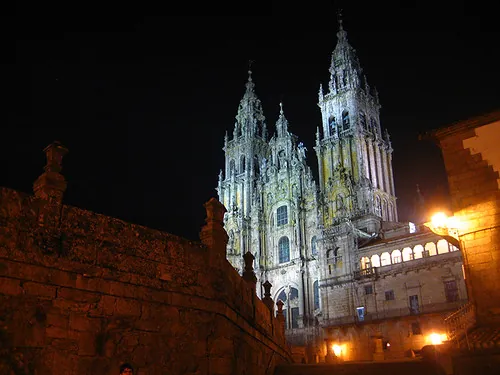
When you arrive in Santiago de Compostela, spend a little time taking in Praza do Obradoiro and the Cathedral first. Then complete the traditional pilgrim rituals, explore the old town, enjoy a leisurely meal and see the city from Alameda. If you still have the energy and time, you can extend your journey to Fisterra.
At a glance
- Savour your arrival in Praza do Obradoiro before dealing with any formalities.
- Go inside the Cathedral, visit the Apostle's tomb and check the Pilgrim's Mass schedule.
- Set aside a few hours for the old town, Mercado de Abastos and Alameda.
What to do as soon as you reach Praza do Obradoiro
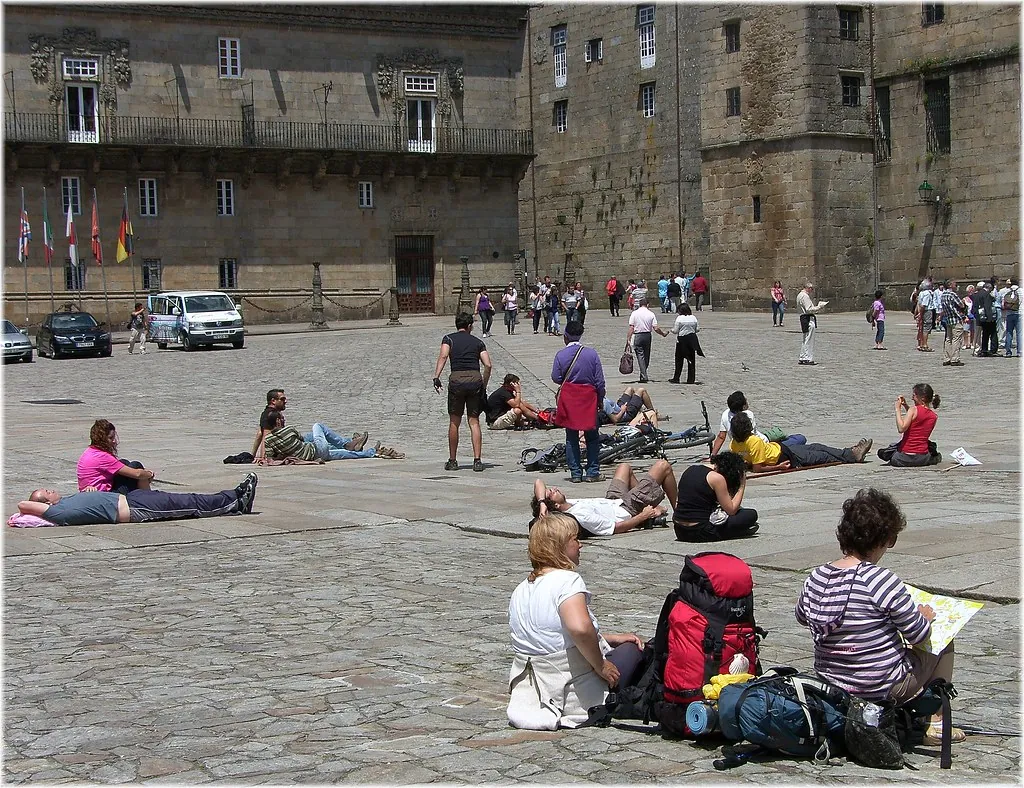
Do not rush away. Find a spot in the square, set down your backpack and take in the Cathedral's Baroque façade. After the final stage, pausing here is as much a part of the arrival as taking the photograph.
The square is the main meeting point for those finishing the Camino. If you have shared stages with other pilgrims, arrange to meet them here. If you arrive on your own, the Camino companion board can help.
Which rituals to follow at Santiago Cathedral
Once you have given yourself that first moment in Obradoiro, head inside the Cathedral. The traditional visit includes embracing the statue of St James the Apostle above the high altar and going down to the crypt to see his tomb. After days of walking, these rituals take on a different significance.
You can also attend the Pilgrim's Mass. Check the time and arrive early. The botafumeiro is only used on special occasions, so do not assume you will see it in action; our guide to the Cathedral's botafumeiro explains this ritual.
Emotions can hit you all at once. Put your phone away for a few minutes and experience the moment in your own way: there is no right reaction, and you do not need to complete every ritual.
How to collect the Compostela after finishing the Camino
If you have walked with a pilgrim credential and meet the requirements, leave enough time to apply for the Compostela. Enjoy Obradoiro first, then deal with certificates and queues.
Find out what this document certifies, which requirements you must meet and how to present your stamps in our guide to what the Compostela is and how to get it. This will help you avoid confusing it with the credential you have been stamping along the way.
What to see in Santiago's old town
Once you have rested, explore Rúa do Franco and Rúa do Vilar on foot. There is no need to treat the walk as a checklist of monuments: strolling beneath the arcades, bumping into fellow pilgrims and stopping at a tavern are all good ways to slow down.
Visit Mercado de Abastos too and browse the Galician produce. If you are travelling as a group, order several dishes to share: pulpo á feira, Padrón peppers and tarta de Santiago make for a simple, classic finale.
Round off your walk at San Martiño Pinario Monastery and Alameda park. The latter offers a panoramic view of the Cathedral and a different perspective on the city.
If tired legs are making it difficult to find accommodation or services, use the albergue and services finder. Decide where to sleep before lingering too long over lunch, especially if you are continuing on foot the next day.

How to celebrate the end of the Camino without rushing
A shower, clean clothes, a long meal and a conversation with the people who shared the journey with you are often all you need. Leave some time unplanned: Santiago is best enjoyed when you no longer have to think about the next albergue.
If you only have a few hours, prioritise Obradoiro, the Cathedral and the old town. With a full day, add Mercado de Abastos and Alameda. If you stay overnight, spread out your sightseeing and return to the square when it has a different atmosphere.
How to continue from Santiago to Fisterra
The Fisterra Way lets you continue on foot to the coast. Calculate the days according to your chosen route and how your feet feel.
Do not burn clothing or leave objects at the cape. Enjoy the landscape or write about your journey: celebrate without leaving a trace.
Check the map of routes and accommodation before deciding whether to continue.
Settle luggage, paperwork and departure plans
The Pilgrim’s Office publishes opening hours of 9:00–19:00 and closes on 25 December and 1 January; check for notices before visiting. Do not aim to arrive at closing time: registration and waiting require some margin. The Cathedral does not admit backpacks; arrange luggage storage and collection before your visit. If you fly the following day, check Santiago Airport connections and spend your last night somewhere with a workable transfer. This lets you enjoy your arrival without sorting everything out at the last minute.
Who is setting off on your dates
To Santiago
Written in SpanishPrimera vez lo hago solo,si alguien se apunta...llevo mucho tiempo queriendo hacerlo...
- Distance
- 771 km
- Stages
- 33
- Languages
-
From Porto to Santiago
Written in PortugueseOlá! 😊 Eu sou a Gabriele, tenho 25 anos, sou brasileira e moro no Porto há 6 anos. Sempre tive muita vontade de fazer o Caminho de Santiago, mas acabava adiando por nunca ter companhia. Desta vez decidi que não quero mais esperar e estou à procura de alguém para dividir comigo essa aventura! Adoro viajar, conhecer lugares novos, tirar muitas fotos, conversar sobre tudo e conhecer pessoas diferentes. Acho que uma das partes mais bonitas do Caminho é justamente poder compartilhar histórias, momentos e experiências com alguém pelo caminho. Não estou à procura de alguém que tenha necessariamente o mesmo ritmo ou experiência, seria a minha primeira vez também! Quero apenas encontrar uma pessoa tranquila, divertida e aberta a viver essa experiência juntas, com direito a boas conversas, risadas, paisagens lindas e, claro, muitas fotos e vídeos para guardar de recordação. Se também estás a pensar fazer o Caminho e procuras companhia, manda-me uma mensagem! 💚 Buen Camino!
- Distance
- 241 km
- Stages
- 10
- Languages
-

 Organised by
Alina L.
Organised by
Alina L.
From Luarca to Santiago
I am doing this for the 4th time Looking for likeminded people to share the experience
5 places left
- Distance
- 245 km
- Stages
- 11
- Languages
-

Frequently asked questions
How much time do I need to explore Santiago after arriving?
A few hours are enough to experience your arrival in Obradoiro, visit the Cathedral and stroll through the old town. If you have a full day, add Mercado de Abastos and Alameda park.
Does the botafumeiro fly at every Mass?
Do not expect to see it at every Pilgrim's Mass, as it is only used on special occasions. Check before you go and enjoy your visit even if it does not fly that day.
What is the difference between the pilgrim credential and the Compostela?
The pilgrim credential is the document you carry and have stamped along the Camino. The Compostela is the certificate you can apply for at the end if you meet the requirements.
Is it worth continuing on foot to Fisterra?
Yes, if you have the energy and time for your chosen route and the journey home. Divide the days to suit your pace; there is no single fixed number of stages.
What should I prioritise if I only have a few hours?
Focus on Praza do Obradoiro, the Cathedral and a walk along Rúa do Franco and Rúa do Vilar. If you have time, finish at Alameda for a different view of the Cathedral.
Once you have rested and celebrated your arrival, decide what comes next without rushing: returning home is part of the Camino too, while continuing along one of the available routes opens a new chapter.
Cover photo: ReservasdeCoches.com · CC BY 2.0 · WebP.