












From Porto Airport to the start of your Camino
In brief
Choose how to reach the cathedral, Matosinhos or a starting point farther north. Plan your metro connections and a backup for a late arrival.
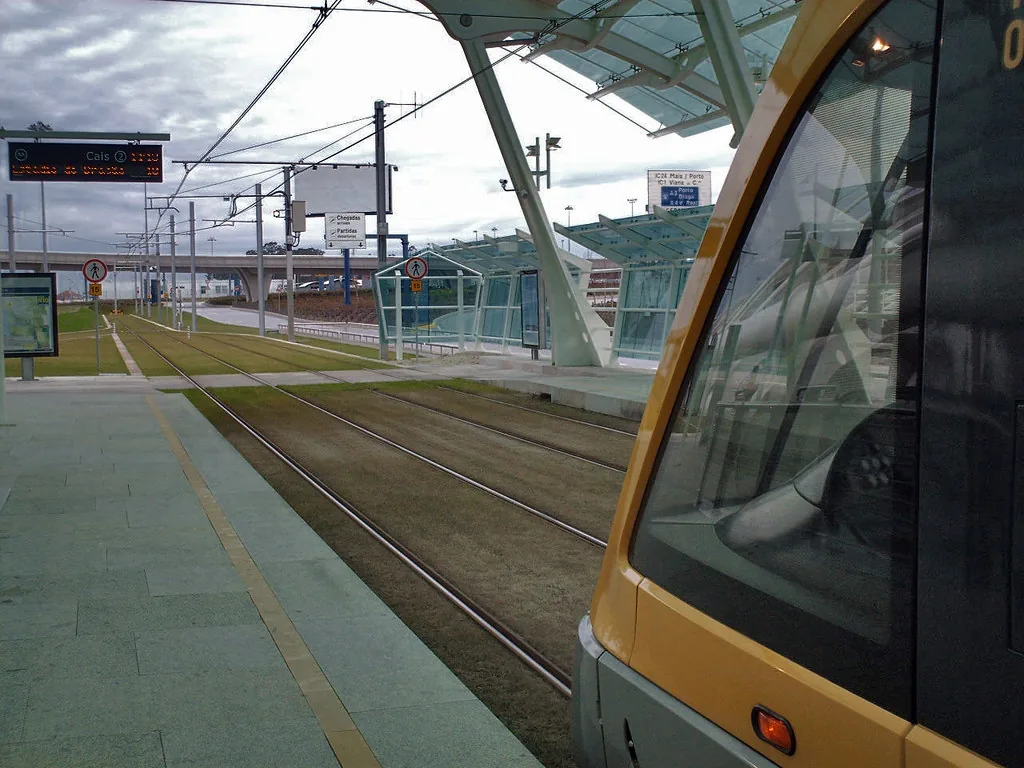
From Porto Airport, take the metro into the city to start at the Sé cathedral, or change lines to reach Matosinhos. Decide where you want to begin walking before choosing your transfer. If you land late, stay near your starting point and leave your first stage until morning. Check that day's service and save a backup option before boarding your flight.
Choose your starting point before booking a transfer
Porto has more than one gateway to the Camino. The Sé cathedral lets you start in the historic centre and choose a route inland or towards the river and sea. Matosinhos brings you closer to the shoreline, but travelling there means skipping the walk from the city centre. Either can suit your trip; what matters is that your plan shows where you actually start.
If you are still deciding between routes, read the Central versus Coastal Portuguese Camino comparison before booking accommodation. For the inland route, explore the Portuguese Camino; for the ocean route, check the Portuguese Coastal Camino. The airport is an arrival point, not a marked walking stage to improvise.
Think about the whole journey too. A night in Porto gives you time to eat, repack and check the weather without rushing your arrival. If your flight could be delayed, avoid booking a first night that requires you to finish a walk by a tight deadline. Ask your accommodation about its latest check-in time and keep the reply.
From the terminal to the metro
Information checked on 1 October 2026: ANA, the airport operator, identifies the purple E line as the metro connection from Aeroporto. Metro do Porto publishes maps and timetables effective from 7 September 2026. That review date does not replace checking for disruptions on your travel day; read the platform display for the actual service and destination before boarding.
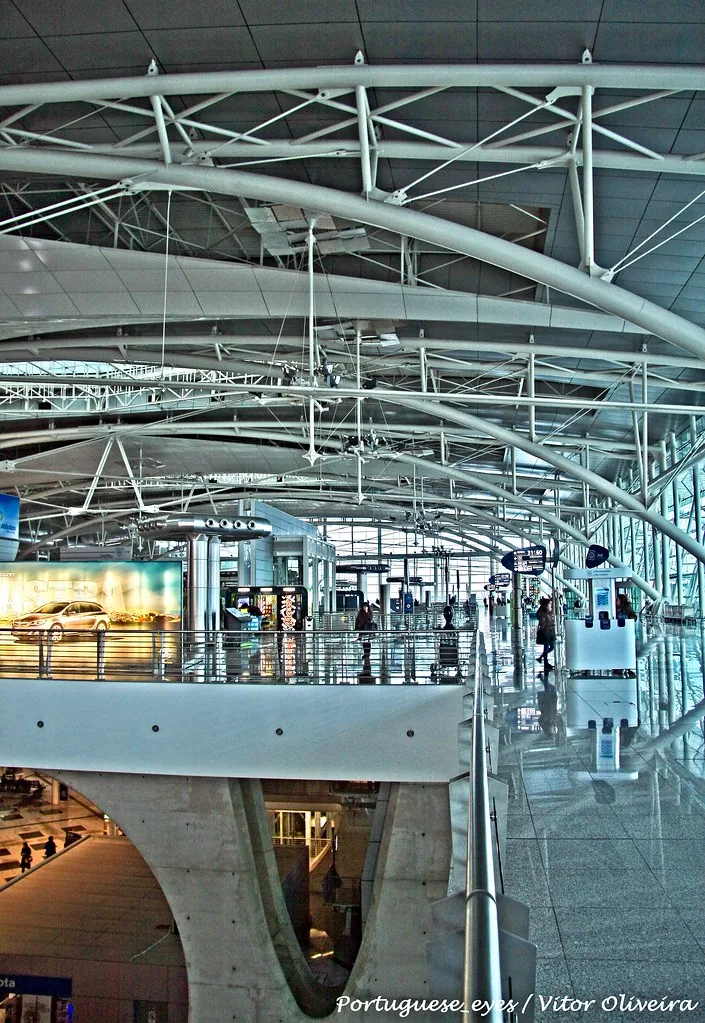
After collecting your luggage, follow the Metro signs and check that you are at Aeroporto station. Keep your destination station's exact name handy, not just your hotel's name. Download the map and address before leaving the terminal wifi. If you need a lift, check accessibility updates and do not make an escalator your only option.
Buy the right ticket for your journey from a machine or ask staff for help. Andante tickets use zones: confirm those needed for your destination rather than copying another passenger's purchase. Each traveller needs their own ticket where required and must validate it according to the system's instructions, including when changing transport. Keep the card for later journeys; paying for the card does not necessarily mean a journey is loaded onto it.
We give no fixed fare or service frequency because these can change and depend on your journey. Check Andante for tickets and Metro do Porto for services. Before paying, check refund conditions and whether your ticket suits the trips you will actually make. A tourist ticket does not always pay off for one transfer; compare the total cost, including a card if needed.
Starting at the Sé: reach the centre and save your energy
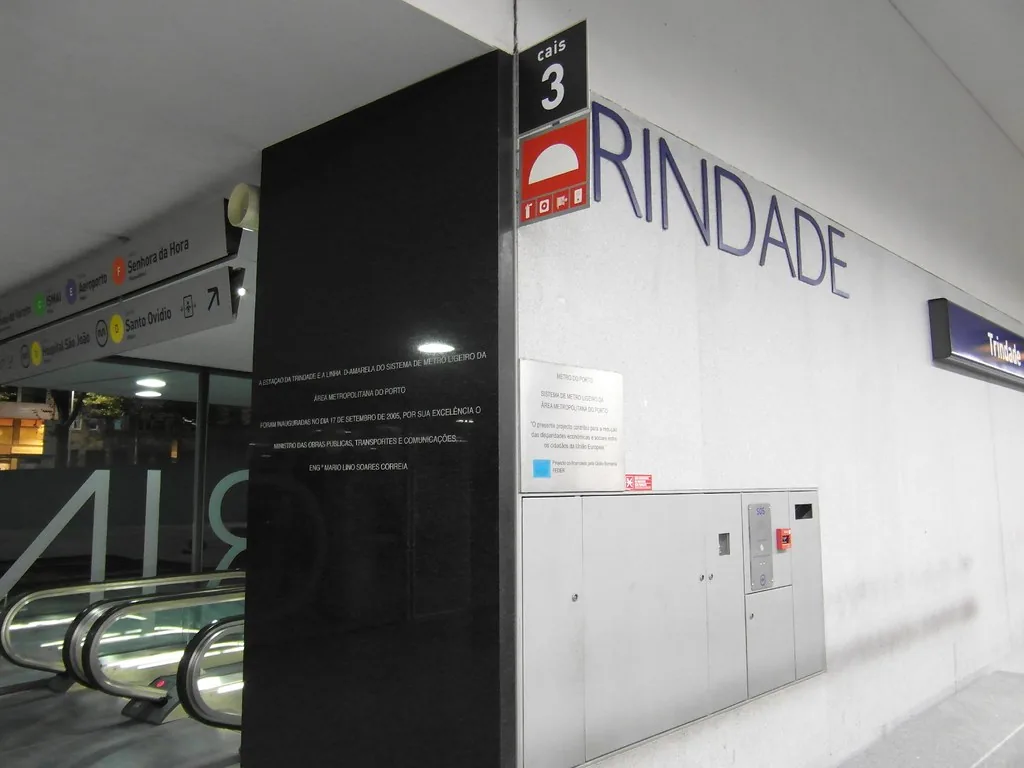
For the cathedral, a useful connection is the E line to Trindade, then the D line to São Bento, checking direction and service on the official map. From São Bento, you still have an uphill walk on city streets to the Sé. The station is not the cathedral entrance. Find your accommodation using its street address and allow for that last stretch with your pack.
You could also leave the metro at Trindade and walk to accommodation in the centre if that suits you. Choose according to where you are staying rather than assuming the entire old town is close by. With rain, a suitcase or tired legs, avoiding a transfer may mean walking farther than you wanted. A taxi to the exact address can be a sensible alternative while still allowing you to start walking the next morning.
At the Sé, organise the start you have chosen, but do not confuse visiting the cathedral with walking every kilometre from Porto. If you need a pilgrim passport, confirm its issuing location and opening hours beforehand. The guide to getting your credencial explains its purpose; do not rely on a single counter being open when you arrive.
Starting in Matosinhos: change towards the coast
For Matosinhos, check an E-line journey to Senhora da Hora followed by the A line towards Senhor de Matosinhos. The best stop depends on where you are staying and where you want to join the shoreline route: Matosinhos Sul and other stations are not interchangeable. Check the map before loading your ticket. A similar station name does not mean you will reach the correct end of the beach.
Book accommodation around your actual departure point. Staying in Matosinhos lets you join the shoreline the following day without returning to the centre, but you will have skipped the walk from the Sé. If you want to walk that urban and coastal section, stay in Porto and start there. Do not add kilometres to compensate for a transport decision: record your starting point honestly and continue your plan.
On reaching the coast, find the pedestrian access to your route and check conditions on the next section. Wind and rain can make an improvised evening start unpleasant. Use the Camino map to locate routes and services, and the guide to the Coastal Camino from Porto to divide your walking days. Your arrival transfer and your stage planning are separate decisions.
Starting farther north: check the whole chain
For Vila do Conde or Póvoa de Varzim, check the B line and the connection from the airport in the official planner. Confirm your final station and the distance to your accommodation: reaching the same town does not mean reaching the promenade you will walk along. For Viana do Castelo, Valença or Tui, compare bus and train connections for your date. The airport lists regional operators, but being on that list does not guarantee a departure that suits your flight.
If you need a train, find the intercity connection first, then work out how to reach its departure station. Do not buy two separate tickets with a transfer that only works if your flight lands on time. Allow for luggage collection, any checks, ticket purchases and platform changes. If it is the final connection of the day, decide where you will sleep if you miss it.
Starting farther along can be a good way to fit your available days. Use the planner for the route you will actually walk and compare accommodation near your start. If you hope to receive the Compostela, read its requirements in the Compostela guide first. A transfer does not add walking distance or make every starting point sufficient.
Late arrivals, luggage and accessibility
Your landing time is not the time you will leave the terminal. If the metro no longer fits your arrival, check the buses and taxis listed by ANA. We do not present a bus as a guaranteed overnight alternative: check its origin, destination, operating day and last departure with the operator. For a taxi, give the full address and ask about the fare and applicable supplements before the journey begins.
With bulky luggage, a bicycle or mobility needs, check the conditions for the specific vehicle. A connection on a map may involve access that is difficult for you. Ask your accommodation about stairs and reception, and the operator about assistance if needed. Keep medication, documents, a charger and a change of clothes with you; delayed luggage should not leave you without essentials.
If travelling with others, agree on a clear meeting point and what to do if someone takes longer to leave arrivals. Do not assume everyone can get online immediately. Save tickets and addresses offline and keep battery for the last stretch. In Companions, you can arrange a start that suits your dates and pace, but avoid promising a stage with people you have not met before you know when you will arrive.
What to check before flying and after landing
- Your actual start: the Sé, Matosinhos or a town farther north, plus the full address for your first night.
- The connection to that destination with Metro do Porto or the regional operator, including works and service changes.
- The ticket and validation needed, the final walk and the access you can use with your luggage.
- The latest check-in time and a message ready to send if you are delayed.
- A workable alternative if you miss the final connection, with enough money and battery to use it.
After landing, read the display again before boarding and check that your backup is still available. If you are too tired, adjust the first day instead of walking at night to meet a booking. Arrival already involves decisions; a rested morning makes it easier to pay attention to signs, your feet and the people sharing your Camino.
Frequently asked questions
Can I take the metro from the airport to the cathedral?
The E line takes you towards the centre, with a change at Trindade to the D line for São Bento. There is still an uphill walk to the Sé. Check service and direction on your travel day.
Is there a direct metro from the airport to Matosinhos?
Plan a change to the A line, usually at Senhora da Hora. Choose your stop according to your accommodation and where you will join the shoreline; confirm the official connection before travelling.
Should I walk from the airport?
We do not recommend it as a Camino start. Take transport to an identified starting point and plan your walk from there, avoiding improvised routes through airport access roads.
Can I start walking on the day I land?
That depends on your actual arrival, daylight, rest and accommodation. Keep your first walk short and flexible; after a late arrival, sleeping and starting in the morning is sensible.
Do the photographs show the airport or Matosinhos?
No. They illustrate the Portuguese Camino and do not document stations or boarding points. Use the official map and signs to identify your transport.
Cover photo: Beth Balboni · CC BY-SA 2.0 · WebP.