












Returning from Santiago to Porto after the Camino
In brief
Compare buses and trains through Vigo, distinguish stations and plan your final airport transfer. Includes current Celta disruption notices.
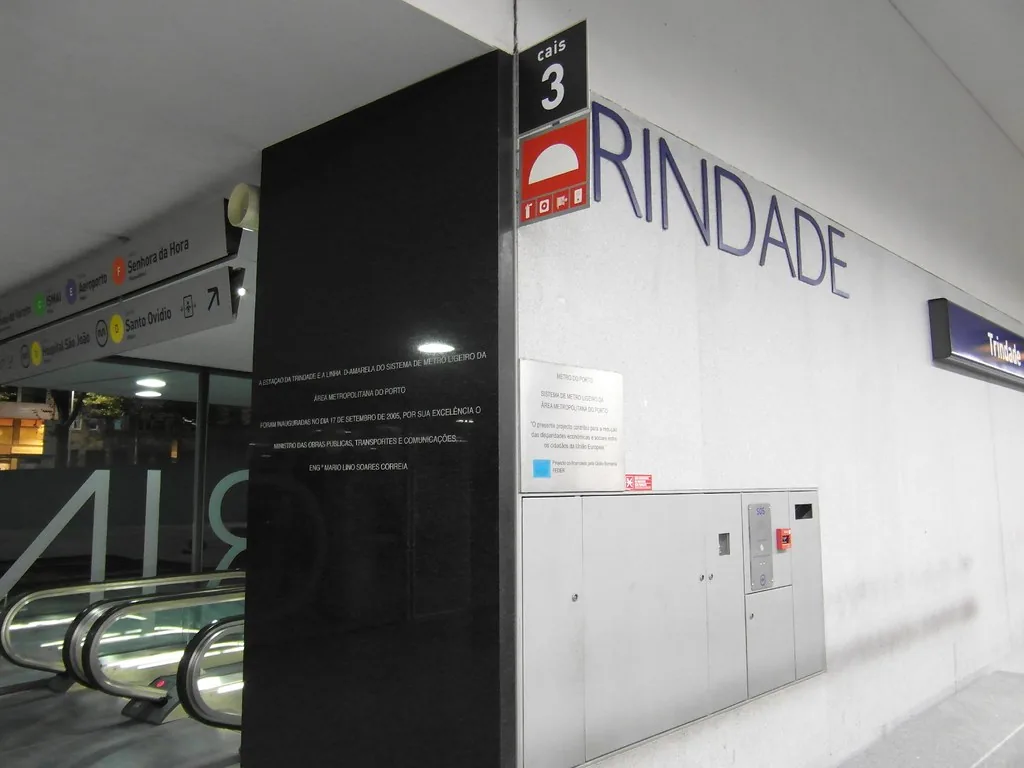
To return from Santiago to Porto, first compare a bus to your exact destination with a rail connection through Vigo. If you choose trains, check your arrival station in Vigo and the Celta's departure station: they do not always match. The international service has replacement-bus notices that you need to check for your date. If you have a flight to catch, work backwards from its deadline and leave room for disruption.
Decide whether you need Porto city or the airport
Your return starts with an address, not a city name. Reaching Porto Campanhã is not the same as reaching Francisco Sá Carneiro Airport. A stop labelled Porto does not necessarily put you near your hotel either. Before comparing options, write down where you need to finish, when you need to be there and what luggage you will carry. Then find the whole journey from your accommodation in Santiago.
For an early flight, consider staying in Porto or near the airport the night before. An international service arriving on the same day may look feasible but leave no room for traffic, cancellation or a platform change. There is no universal buffer that guarantees every flight: allow for airline requirements, check-in, security and the transfer from your actual arrival stop.
This guide covers leaving after your walk. For ideas while waiting, use the Santiago guide. If you still have days to allocate, review your arrival with the planner and the Portuguese Camino or Coastal Portuguese Camino. Do not squeeze your final stage to fit a connection you have not confirmed.
Bus: search for your actual stop
Information checked on 1 October 2026: ALSA publishes the Santiago de Compostela–Porto route and distinguishes airport and Campanhã arrivals. Use its date-specific search to confirm available services, stops, prices and conditions. General pages may display automated answers or details that do not fit the itinerary; the ticket and your specific search are the reference for planning.
An option without vehicle changes to your final stop can simplify the return with tired legs and a pack. Still, read the itinerary: a booking result can combine services. Check whether you must change, where, what luggage is included and whether the next leg is protected against delay. We do not call every result with Santiago and Porto at its ends a direct service.
In Santiago, ALSA lists this route's departure on Calle Clara Campoamor, beside the intermodal area. Confirm the station and boarding point on your ticket before leaving your accommodation. Allow time to get there, find your bearings and locate the bay; do not expect the bus in the old town. If taking a taxi or local transport, specify the bus station shown on your reservation.
Compare the total journey: getting to the station, international travel and the final connection. A cheaper ticket may leave you at a less convenient stop. If travelling together, compare the full cost for both people and flexibility rather than the advertised starting fare. Save the receipt and operator contact details offline.
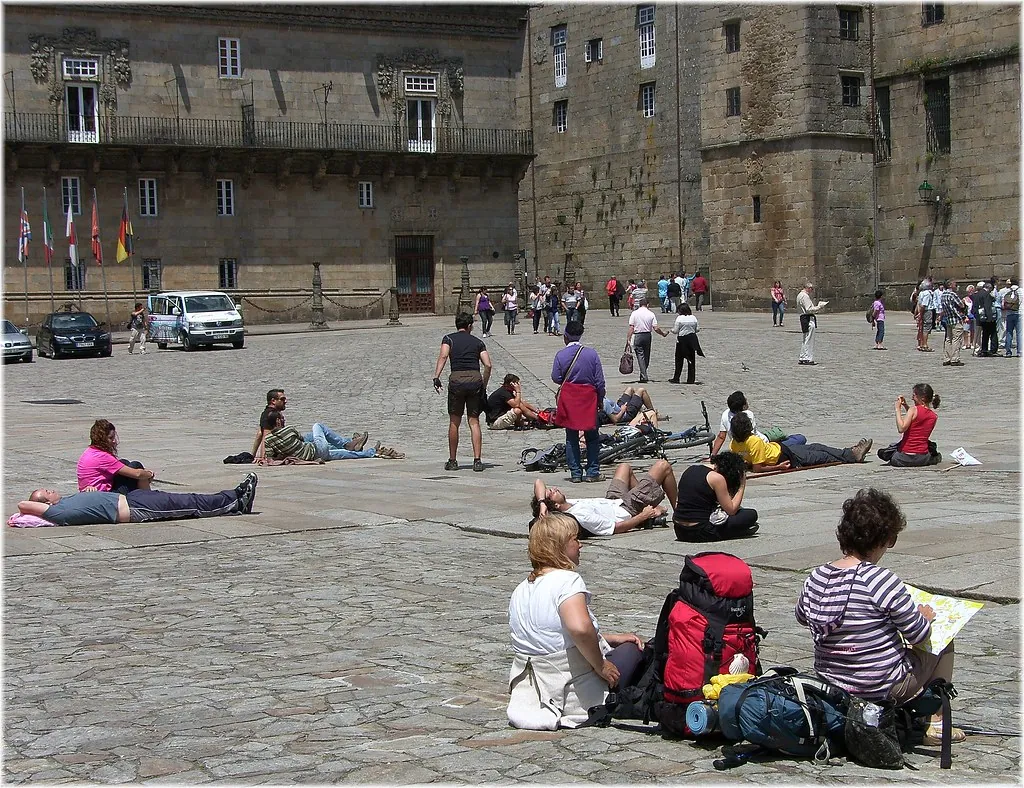
Train through Vigo: distinguish the two stations
The rail option has two parts: Santiago–Vigo with Renfe and Vigo–Porto with the international Celta service. Renfe distinguishes Vigo-Urzáiz and Vigo-Guixar, while CP identifies Guixar and Porto-Campanhã as the Celta's endpoints. Read the station on each ticket. If the first train arrives at Urzáiz and the next leaves from Guixar, you need a transfer across the city, not a platform change in one building.
Find the international leg first, as it may determine your whole day, then a service from Santiago with a sensible connection. Check the local time shown: mainland Portugal is one hour behind Galicia. Do not work out duration by simply subtracting printed departure and arrival times. Keep each operator's times as published and check the date if arrival crosses midnight.
For a station transfer in Vigo, calculate the journey according to your mobility and luggage. A walk that looks short on a map can be uncomfortable with sore feet, rain or a suitcase. Check access, consider a taxi and leave time to find the correct departure point. We do not offer a guaranteed number of minutes: the urban route and your ability matter.
A current Celta disruption changes the plan
When checked on 1 October 2026, CP's official notices advertised a replacement road transfer for Celta from 6 April 2026 to 7 April 2027. This is a published period, not a promise about when works will finish. Read the complete notice and instructions for the service you intend to buy; do not plan on an entirely rail journey or travel without changes.
Replacement transport can affect boarding, luggage handling and bicycle carriage. Before paying, ask where the bus is boarded, which section it covers and how the journey continues. If you have mobility needs, confirm that the alternative can accommodate them. A train's accessibility does not automatically mean identical assistance on a replacement vehicle.
Compare trains and buses using the current itinerary, not an old guide's journey time. A service sold as a train can include road travel and several luggage movements. It may still suit you, but you need to know the conditions. Check notices again the day before and before leaving Santiago, as published arrangements can change.
Separate tickets: plan for a missed connection
Buying Santiago–Vigo and Vigo–Porto separately does not mean the second operator waits for the first. Read change and cancellation conditions for both tickets and ask whether the combination you are buying has connection protection. Without confirmation, plan as if they are independent contracts. A small discount can become expensive if you must replace the onward ticket and pay for an unexpected night.
You do not need to book every decision months ahead, but understand restrictions before paying. If your arrival date in Santiago is uncertain, a flexible fare or extra night can reduce pressure to walk while injured or in poor weather. If a search does not yet offer a service, do not assume it is sold out or cancelled: ask when it will become available for your date.
Write down which first service you could miss without jeopardising your flight and the latest option that still leaves a buffer. If only one connection works, consider travelling the day before. Keep funds available for disruption and your Porto accommodation's phone number. If you add a night in Galicia, consult the accommodation directory and confirm availability and check-in directly.
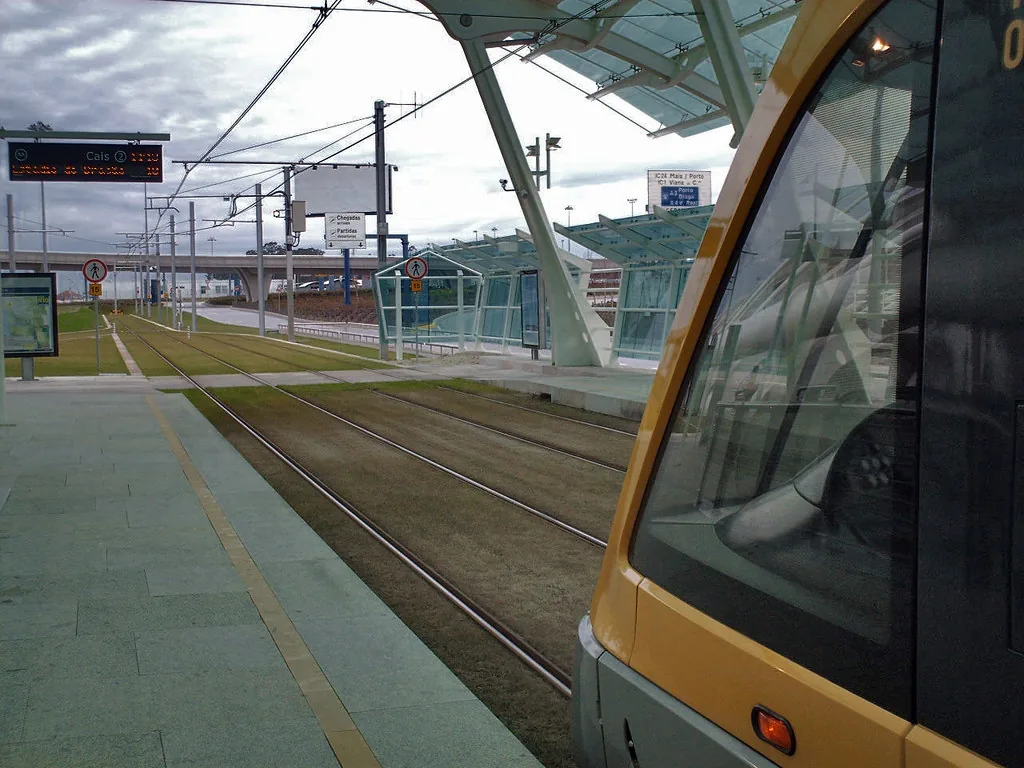
Backpack, suitcase, bicycle and documents
Before booking, check the specific service's luggage allowance, dimensions and conditions for extra items. We do not apply one operator's allowance to every company. Your walking pack and a suitcase sent to Santiago may count as two pieces. For poles or bulky equipment, also check packing requirements and what can stay with you inside the vehicle.
A bicycle needs its own availability and carriage check. The regular train accepting bicycles is not enough if part of your journey uses a bus. Confirm reservation, packing and replacement transport before buying a tight connection. If it does not work, change service or arrange a confirmed shipment; do not arrive with an unreserved bicycle hoping for an exception.
Keep the identity document or passport appropriate to your journey, tickets, medication and valuables with you. Crossing from Spain into Portugal does not remove documentation requirements applicable to each traveller. Save reservations offline and keep enough battery. If collecting stored luggage, include the storage facility's hours in your plan and read luggage storage and shipping in Santiago.
Arriving in Porto: finish the last leg
If you leave the bus at the airport, check the stop's location and follow signs to the relevant terminal. At Campanhã, you still need to reach your accommodation or the airport. Consult the local transport planner for your actual arrival time; do not assume a connection seen that morning will still be running. The Porto Airport connections guide explains the metro system, although you will be travelling in the opposite direction.
If meeting someone in Porto, share the exact place and clarify whether the time is Portuguese local time. In Companions, you can stay in contact with people from your Camino, but coordinate reservations and luggage explicitly: a shared destination does not mean the same bus or allowance. After several walking days, an uncomplicated arrival is often more useful than squeezing in one last activity.
Before paying: a short checklist
- Final destination and deadline: airport, accommodation or station, with the time zone clear.
- Date, stop and vehicle for every leg, plus Celta notices if using that connection.
- A transfer between Urzáiz and Guixar where needed, with time for your mobility and luggage.
- Luggage, bicycle, assistance and change conditions confirmed for the specific service.
- A backup if the first leg is delayed, including a possible extra night.
Frequently asked questions
Is there a direct train from Santiago to Porto?
Do not plan this as a direct train. Search for Renfe to Vigo and Celta to Porto, checking stations and replacement transport for your date.
Are Vigo-Urzáiz and Vigo-Guixar the same station?
No. They are separate stations. If your tickets use both, allow for a transfer across the city; changing platforms is not enough.
Can I take a bus directly to Porto Airport?
ALSA advertises airport arrivals on this route. Confirm that your dated service includes the stop; not every Porto result has the same final destination.
Why are there no fares or departure times here?
They depend on date, service and booking conditions. Confirm them through official searches and save your booked itinerary; we avoid turning a changing figure into a promise.
Should I leave Santiago on my flight day?
Only if the complete connection leaves a buffer you consider sufficient for disruption and airline requirements. For an early flight or a single useful connection, staying in Porto the previous night reduces uncertainty.
Cover photo: IngolfBLN · CC BY-SA 2.0 · WebP.