







Camino de Santiago in spring: routes, weather and gear
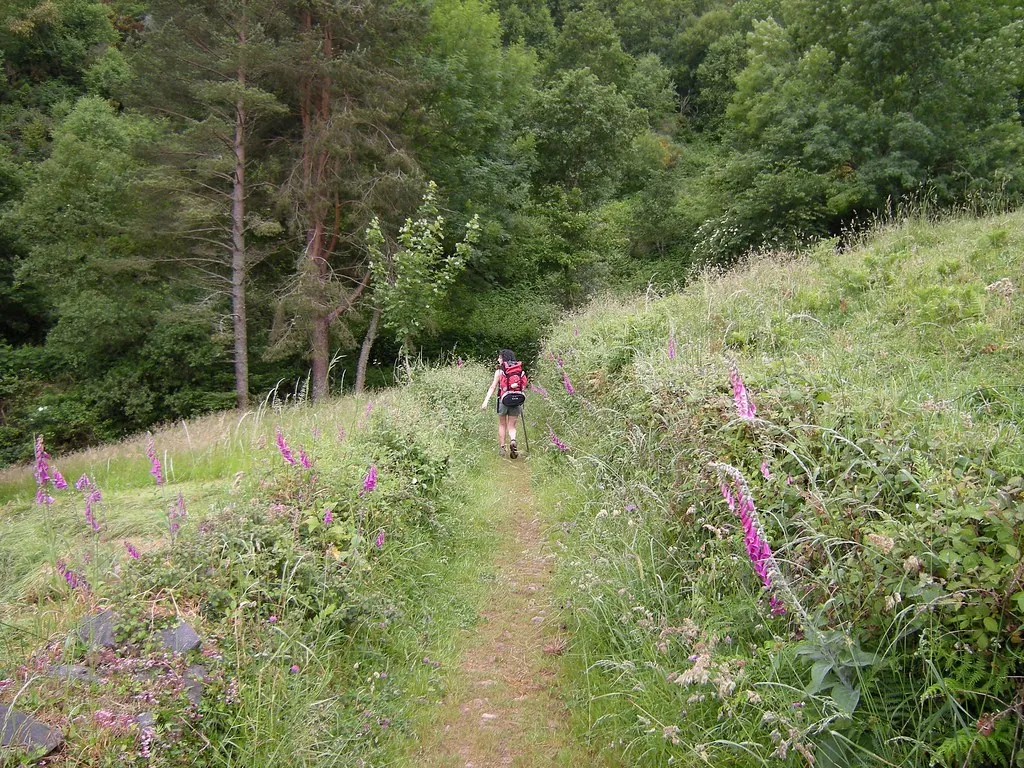
The Camino de Santiago in spring combines mild days, green fields and a network of services waking up after winter. April and May usually offer the easiest balance, although rain, mud and the occasional cold snap are still part of the journey. March calls for more flexibility and planning, especially in the mountains. Choose a route that suits the month first, then adapt your stages, bookings and pack to the latest forecast.
Why spring is such a rewarding season
From March to May, the Camino changes almost every week. Days grow longer, colour returns to the landscape and walking at midday is usually more comfortable than in high summer. Spring is never uniform, though: on the same trip you might leave the Meseta in sunshine, cross a wet front in Galicia and meet wintry cold at altitude.
The main advantage is balance. More accommodation is open than in winter, yet outside Easter and a few holiday weekends you can still walk in relative peace. There is also less risk of extreme heat on exposed routes such as the Vía de la Plata. If you are still comparing seasons, read our guide to the best time to walk the Camino.
The trade-off is changeable weather. A forecast checked a week ahead is useful for orientation, not for making final packing decisions. Check it again two or three days before setting out and every afternoon on the trail. Shortening a stage because of storms, snow or strong wind is not failure; it is sound judgement.
Spring weather by region
Navarrese Pyrenees and mountain passes
In March, higher ground may still have snow, ice or thick fog. The crossing towards Roncesvalles should be decided according to trail conditions, official warnings and local advice, not the calendar. The Valcarlos alternative has a different profile, but it does not remove the cold or the need to check conditions.
April remains unsettled, while May usually brings a kinder window without guaranteeing good weather. On the French Way, anyone starting in Saint-Jean-Pied-de-Port should confirm transport, accommodation and whether the pass is safe. Our guide on how to get to Saint-Jean-Pied-de-Port covers the logistics, but mountain decisions require current information.
Castilian Meseta
The Meseta brings open horizons, wind and sharp swings in temperature. March and April mornings can be cold, while the midday sun feels strong even at moderate temperatures. Long sections have little shade, so a hat, sunscreen and water remain essential even under cloud.
May can bring warmer days and fast-forming storms. Start early, though there is no need for the extreme summer schedule. Spring lets you enjoy these stretches without the fiercest heat, but keep a windproof layer handy and never rely on a single water source for the whole day.
Galicia
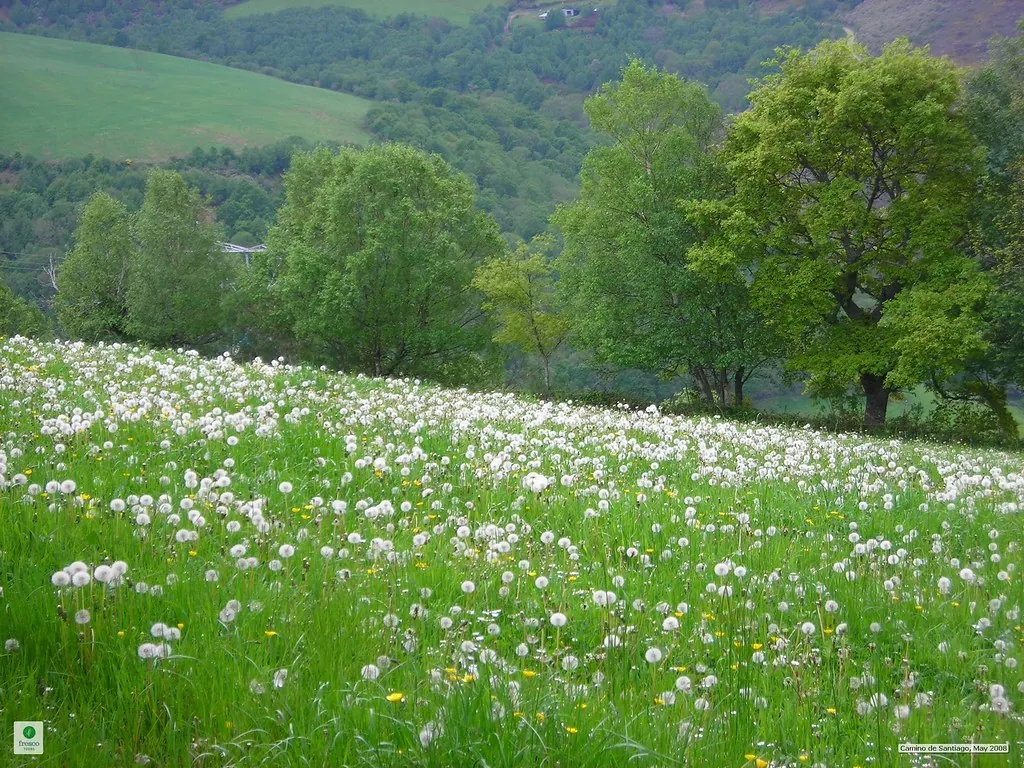
Rain may join you in any month. In return, streams run full, woods are lush and meadows glow green. The ground alternates between tarmac, earth tracks, stone and muddy patches; shoes with reliable grip are often more useful than heavy boots chosen only out of fear of water.
March is cool and services may still be irregular. April draws more walkers, especially around Easter, and by May more accommodation is open. Before planning each stage, check accommodation on the Camino and confirm opening dates, hours and conditions directly.
Cantabrian coast
The Northern Way combines damp weather, sea winds and frequent climbs. A bright day can end in rain, and exposed sections feel much colder. The reward is quieter coastal scenery and spring unfolding through meadows, cliffs and woodland.
Accommodation can be limited in March. Things improve in April, but May is usually the simplest choice for a first Northern Way. Do not calculate stages by distance alone: elevation, wet ground and gaps between services all change the true effort.
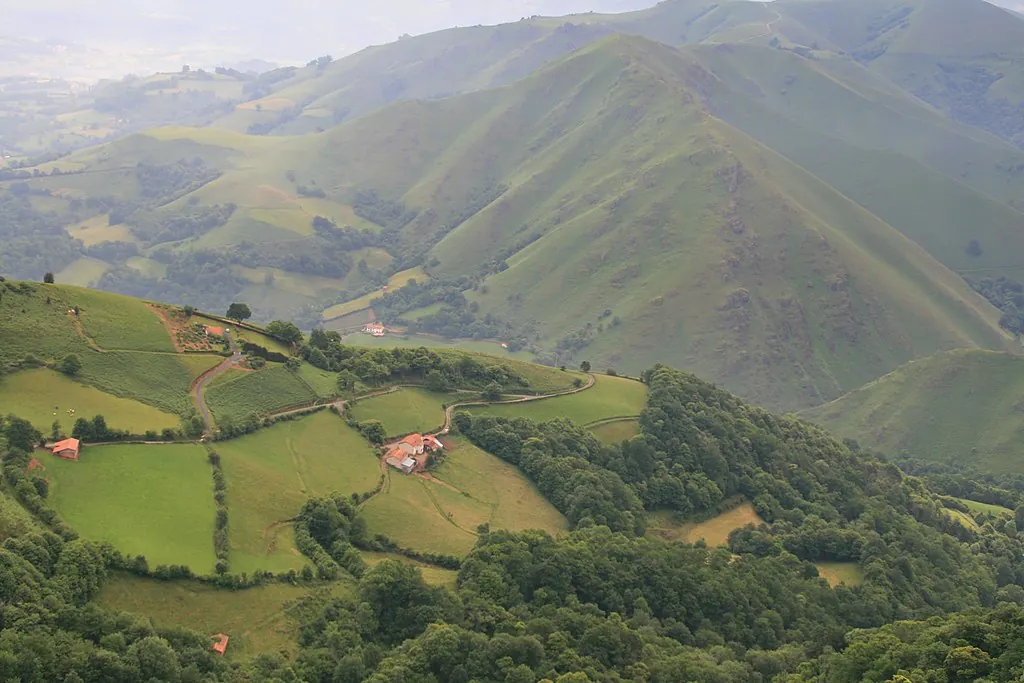
Routes at their best from March to May
French Way: services and variety
This is the easiest option if you value clear waymarking, frequent villages and the freedom to adjust stages. In March, never assume an albergue is open and treat the mountains as winter terrain when conditions demand it. More places open in April and May, but demand also rises over holidays.
The changing scenery makes it easy to choose a section that suits you. Walk through Navarra and La Rioja, cross the Meseta or focus on Galicia. If this is your first Camino, our complete guide to the French Way gives you the wider picture.
Portuguese Way: an Atlantic spring
The Portuguese Way is particularly well suited to April and May. The countryside is green and temperatures are usually good for walking, although Atlantic fronts can bring several wet days. Porto and Tui are easy to reach, and there are plenty of places where you can adjust the itinerary.
The Coastal Route adds wind and exposure, while the Central Route stays farther inland. Compare them in our guide to the Central and Coastal Portuguese Way before booking. Your preferences and the forecast matter more than the idea of one universally better route.
Northern and Primitive Ways: better later in spring
The Northern Way and the Primitive Way are at their greenest in spring, but you need to accept mud, rain and climbing. May usually offers a better mix of daylight and services. In March, high sections of the Primitive Way may remain wintry and are not a wise choice without experience.
If you are choosing between Hospitales and Pola de Allande, read our guide to the Primitive Way alternatives. Hospitales is exposed and the weather has the final say; never turn a hoped-for view into an obligation.
Vía de la Plata: before the heat
Spring is one of the natural windows for the Vía de la Plata, especially in its southern sections. March and April let you cross open country before temperatures become severe. Villages can be far apart, so check water, food and accommodation for every day.
By May, heat can already dictate walking hours in the south. Set off early, carry enough water and adjust the stage when high temperatures are forecast. For the route and its alternatives, see the complete guide to the Vía de la Plata.
Crowds and bookings: spring peaks
Spring is not always quiet. Easter concentrates many departures, especially on the final kilometres of the French Way, while May holiday weekends increase occupancy on routes within easy reach of well-connected cities. Demand is uneven: one town may be full while the next still has beds.
Book the hardest nights to replace first: your arrival night, the finish in Santiago and places with limited capacity. Booking every night can bring peace of mind at busy times. For more flexibility, combine some bookings with adjustable days, but check each property's policy and never assume a bed will be free.
Public albergues do not all operate alike, and opening periods change. Confirm details close to departure, especially in March. If you want people to share stages or coordinate a start, see who is walking through Peregrinia Companions; agree on pace and expectations before forming a group.
What to pack: layers, rain and dry feet
A spring pack should handle temperature changes without duplicate clothing. The simple system is a breathable base, a light warm layer and waterproof, windproof protection. Keep one dry change for the end of the stage and use waterproof bags for anything that must stay dry.
- Rain protection: a waterproof jacket and pack cover. A poncho or a jacket-and-trouser set depends on how you walk and the expected wind.
- Warmth: a light layer for cold mornings and breaks. You may need more in the mountains; decide from the forecast near departure.
- Footwear: already broken in, with dependable soles and space for swollen feet. Read how to choose boots or trail shoes for the Camino.
- Daily care: dry socks, sunscreen, a hat, a water bottle and a small head torch.
- Documents: pilgrim credential, identification and offline access to bookings.
Do not pack for every imaginable situation. Review the essentials in our Camino packing guide and adapt them to your trip length, route and forecast. Test the full setup, including waterproofing, on training walks.
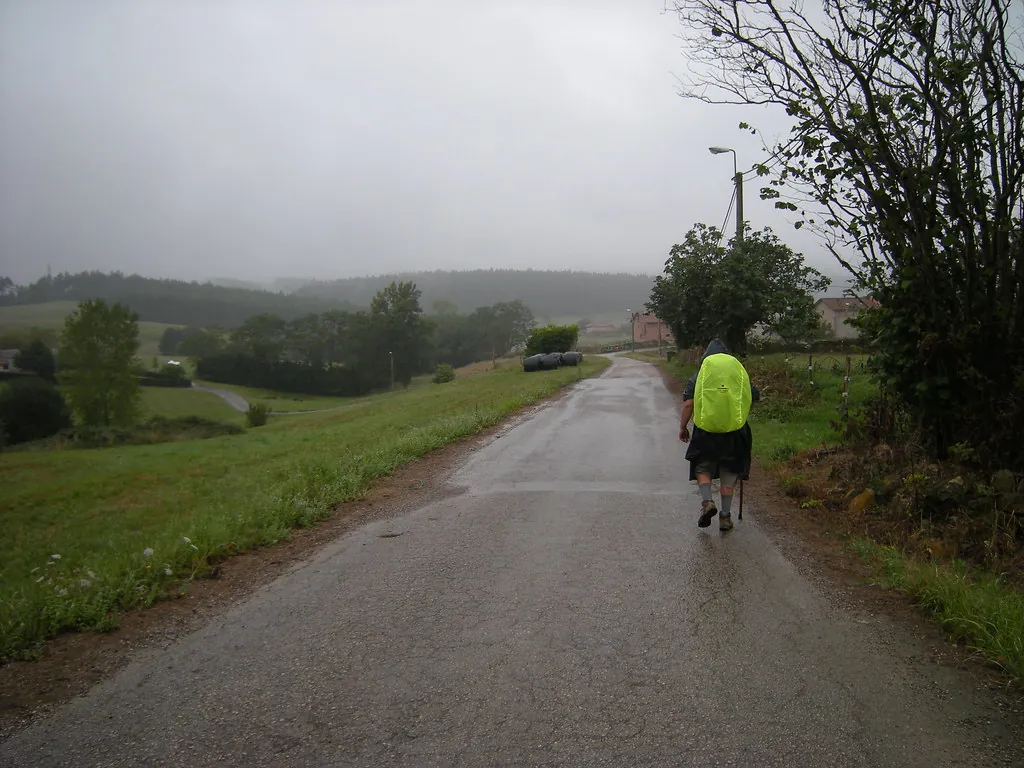
Daylight and organising each stage
Daylight increases quickly through spring, but March still needs care. Do not force yourself to leave before dawn or arrive as the light disappears. Check local sunrise and sunset, carry a simple head torch and leave time for breaks, detours or slow muddy ground.
In April and May, it is tempting to extend a stage because there is plenty of evening light. Do so only if your body and accommodation allow. Foot problems build through accumulated strain, not because one day lacks kilometres. When arranging the route, use Plan your Camino and view the whole sequence on the route map.
Practical advice for March, April and May
Camino de Santiago in March
March retains winter features. Favour routes with reliable services and easy exit points, confirm every stay and avoid depending on high passes. Carry genuinely warm layers, waterproofs and a backup plan. In return, you will find more silence and a clear sense of the season beginning.
Camino de Santiago in April
April offers green fields, often comfortable temperatures and a growing service network. It also brings showers, mud and the moving Easter peak. Book ahead if your dates overlap the holiday, and keep your rain protection even when the forecast looks kind.
Camino de Santiago in May
May is often the easiest month to recommend thanks to daylight and open services. Numbers rise and hot days can appear, especially inland and in the south. Start early as temperatures climb and protect your skin even when the air feels cool.
Frequently asked questions
What is the best spring month for the Camino?
May usually offers the simplest balance of daylight, services and temperature. April is excellent if you accept rain and avoid Easter or book it well. March suits walkers who tolerate cold, plan more carefully and know when to abandon a mountain section.
Does it rain a lot on the Camino in spring?
Rain is possible on every route, with stronger Atlantic influence in Galicia, Portugal and along the Cantabrian coast. No single figure is useful for the whole Camino. Check town-by-town forecasts and carry rain protection you have already tested.
Do I need to book accommodation?
Booking is advisable over Easter, May holiday weekends, at popular finishing points and in villages with few beds. At other times you can stay more flexible, but always confirm opening and availability before walking towards a single option.
Can I cross the Pyrenees in March?
It depends on current snow, ice, wind and warnings. Do not decide merely because the calendar says spring. Check official sources and local advice, and take the stated alternative if the high crossing is unsafe.
Which route is best for a first spring Camino?
The French and Portuguese Ways make logistics easier and let you adjust stages. The Northern and Primitive Ways suit you better if you accept climbing and damp weather. The route finder helps you sort your preferences before choosing.