













Least crowded Camino de Santiago routes
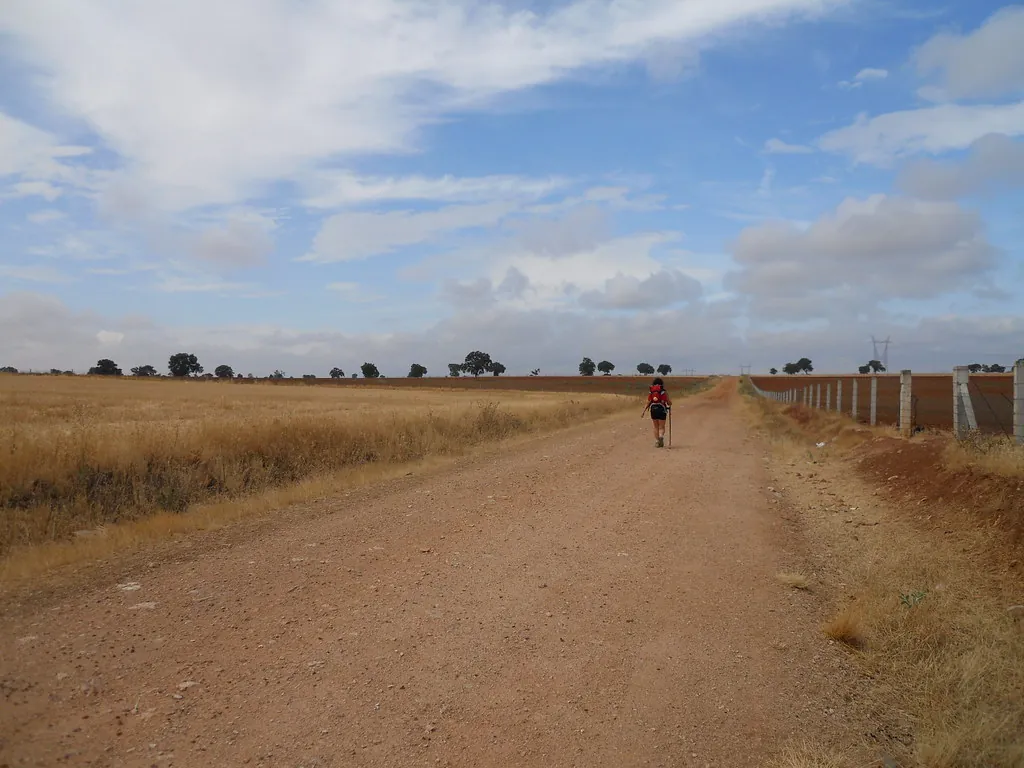
The least crowded Camino de Santiago routes offer more silence, local encounters and long stretches without a line of backpacks. That calm comes with fewer places to stay, less flexible stages and less room for improvisation. The Winter Way, Sanabrés Way, Aragonese Way, Mozarabic Way and parts of the Vía de la Plata are good choices in the right season. Look for a route that suits your experience and self-sufficiency, not an empty trail.
What a quieter Camino really means
A quiet route is not necessarily deserted: you may share an albergue yet walk alone for much of the day, and numbers vary by month, section and local holiday. Crowds vary by month, section, weekends and local holidays, so no itinerary guarantees complete solitude.
Popularity is not the same as quality. The French Way attracts pilgrims because of its history, waymarking, transport and extensive services; another route simply offers a different balance of company, scenery and logistics. Crowds vary by month, section, weekends and local holidays, so no itinerary guarantees complete solitude.
If your priorities are still unclear, use Plan your Camino and compare routes on the Peregrinia map, considering season, available days, elevation and flexibility. Crowds vary by month, section, weekends and local holidays, so no itinerary guarantees complete solitude.
The price of peace and quiet
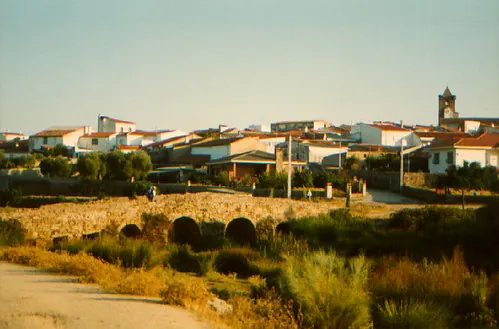
Fewer walkers support fewer pilgrim businesses, so there may be one bed, a bar closed that day or long distances between shops. Check every overnight stop directly and carry an offline route, enough battery and a workable alternative.
Confirm every stage end through the Camino accommodation listings, contact hosts directly and check arrival, dinner and breakfast; prices, opening times and seasons change. Check every overnight stop directly and carry an offline route, enough battery and a workable alternative.
Waymarking also varies. Carry an offline route and enough battery, follow official signs, and retrace your steps to the last reliable marker instead of taking a risky shortcut. Check every overnight stop directly and carry an offline route, enough battery and a workable alternative.
Winter Way: an alternative through the Sil valley
The Winter Way leaves Ponferrada, avoids the climb to O Cebreiro and crosses the Sil valley and Ribeira Sacra before joining the Sanabrés Way; its name does not make every winter day easy. Spring and autumn can suit this route, after checking rain, heat and the seasonal opening of services.
It suits pilgrims who know the French Way but want a different entry into Galicia, with hills, scattered services and rural junctions where an offline map helps. Spring and autumn can suit this route, after checking rain, heat and the seasonal opening of services.
Choose it if you value rivers, heritage and a complete route with fewer people. Think twice if you need frequent cafés or spontaneous accommodation; spring and autumn work well when weather and openings allow. Spring and autumn can suit this route, after checking rain, heat and the seasonal opening of services.
Sanabrés Way: inland Galicia without starting in Sarria
The Sanabrés Way reaches Santiago from the Vía de la Plata via Ourense, offering roughly a week of walking from the city through both serviced towns and rural stretches. Allow for hills, exposed weather and limited daylight rather than judging difficulty by distance alone.
The climb out of Ourense and other stages have real elevation; summer heat, winter rain and short daylight can matter more than the route's shorter final section. Allow for hills, exposed weather and limited daylight rather than judging difficulty by distance alone.
Choose it if you want an inland arrival, handle rolling stages and are willing to book. Avoid it if you want to improvise every night; check transport and small-business hours close to departure. Allow for hills, exposed weather and limited daylight rather than judging difficulty by distance alone.
Vía de la Plata: open country and long distances
The Vía de la Plata crosses open landscapes and historic cities, often with little shade; most pilgrims need several weeks or divide it into sections, and water, food and beds require planning. Water, food and accommodation must be planned carefully, especially across long exposed sections.
Season is decisive: extreme heat in the south and exposed areas can be dangerous, while spring and autumn usually offer safer windows after checking local forecasts. Water, food and accommodation must be planned carefully, especially across long exposed sections.
Read the complete Vía de la Plata guide. Choose it if you are self-sufficient and manage water well; avoid it if you need frequent services or easy stage shortening. Water, food and accommodation must be planned carefully, especially across long exposed sections.
Aragonese Way: Pyrenees, villages and the French Way
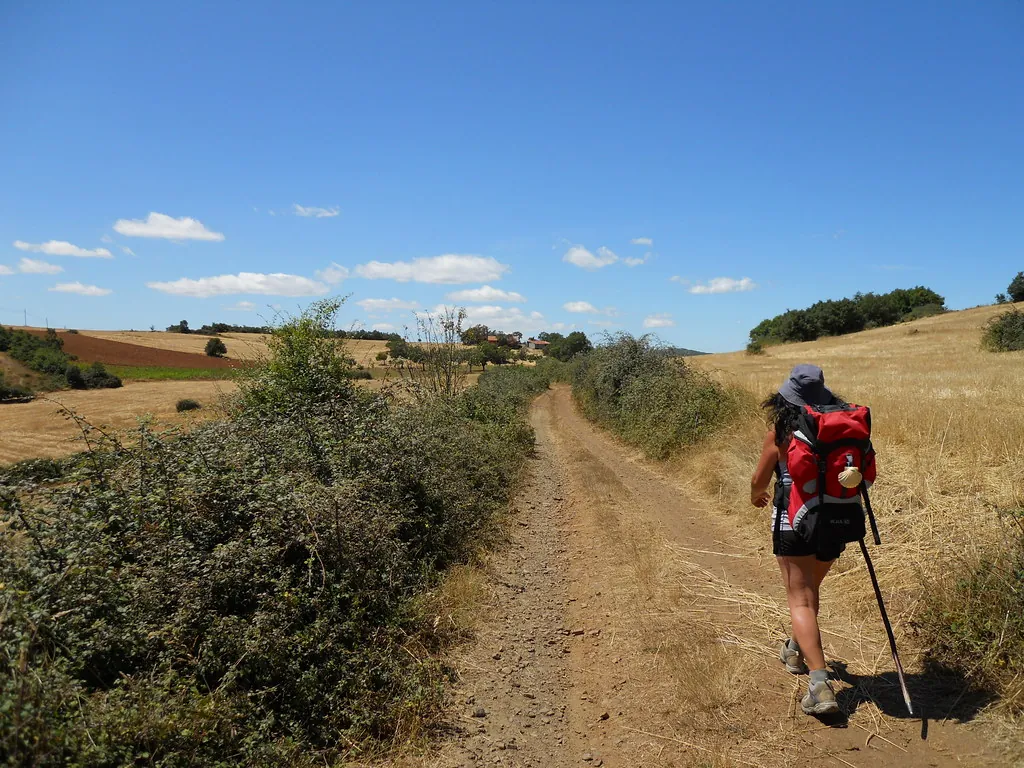
The Aragonese Way runs from Somport through Navarre to Puente la Reina, with Pyrenean scenery and far fewer pilgrims than the start from Saint-Jean-Pied-de-Port. Mountain conditions can change outside winter, so heed official warnings and local advice before setting out.
Do not choose the pass by date alone: snow, ice, fog and storms can occur outside midwinter, so follow warnings and change your start if conditions are unsafe. Mountain conditions can change outside winter, so heed official warnings and local advice before setting out.
Choose it if you want a mountain opening that continues onto the French Way. Think carefully if you travel off-season or lack exposed-terrain experience; confirm beds and transport to Somport. Mountain conditions can change outside winter, so heed official warnings and local advice before setting out.
Mozarabic Way: a route to walk in sections
The Mozarabic Way links routes from Andalusian cities to the Vía de la Plata, combining heritage, open tracks and very few pilgrims; it is rarely an easy improvised first week. Transport between stages can be scarce; plan access and exit points before dividing the journey.
Heat and water are central concerns, while scarce transport between stage ends makes every section's entry and exit worth planning. Transport between stages can be scarce; plan access and exit points before dividing the journey.
Choose it if you want a long-term, section-by-section journey and can plan independently. Avoid it if you need dense albergue coverage or intend to walk in midsummer. Transport between stages can be scarce; plan access and exit points before dividing the journey.
Northern Way: relative quiet beyond the hotspots
The Northern Way is not always quiet: coastal towns and accommodation are busy in summer, though many off-peak sections feel roomier than the end of the French Way. Fewer pilgrims do not necessarily mean lower tourist demand, particularly on the coast in August.
Repeated climbs, tarmac and rain matter more than daily kilometres; see the complete Northern Way guide before treating it as an easy alternative. Fewer pilgrims do not necessarily mean lower tourist demand, particularly on the coast in August.
Choose it if you want the sea and connected towns and accept constant ups and downs. Think twice if you need a cheap August trip or a bed without booking. Fewer pilgrims do not necessarily mean lower tourist demand, particularly on the coast in August.
English Way: short, accessible and increasingly popular
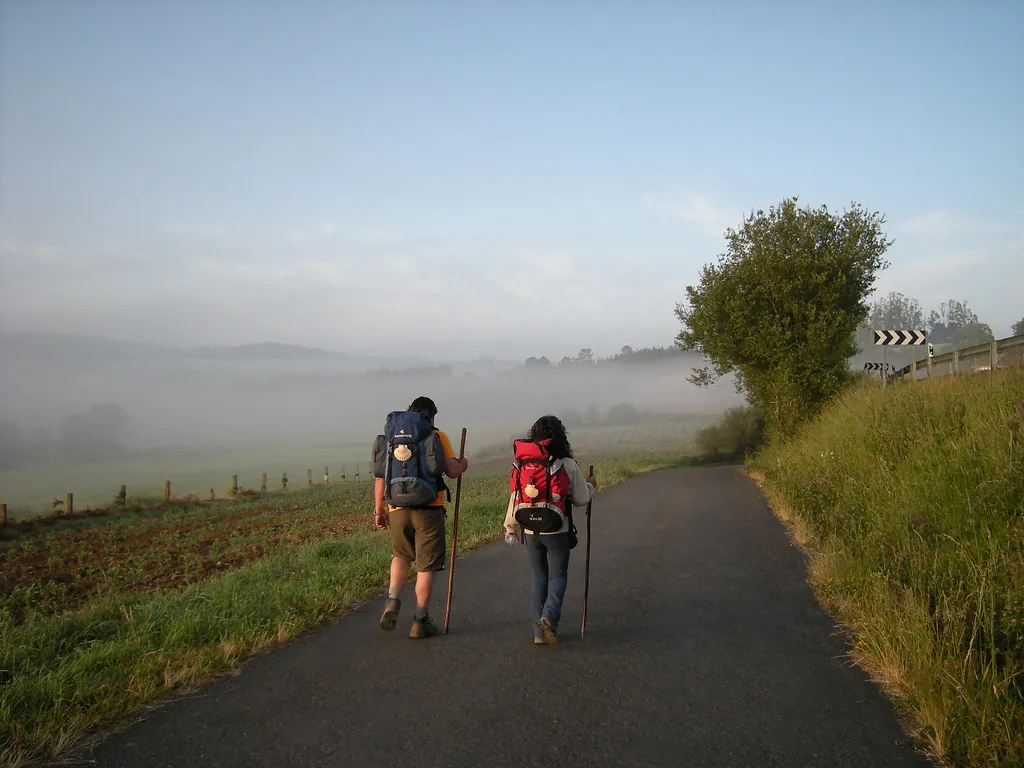
The English Way from Ferrol fits into fewer days and leads directly to Santiago; it draws more walkers on holidays but can still feel peaceful at other times. Avoid public holidays if quiet matters and confirm beds wherever the available capacity is limited.
Its connected towns do not remove hills or Atlantic rain, and beds cluster at certain stage ends, so avoid peak dates and confirm limited places such as Hospital de Bruma. Avoid public holidays if quiet matters and confirm beds wherever the available capacity is limited.
How to choose a quiet route wisely
Start with the season
The Vía de la Plata and Mozarabic Way demand care around heat, the Aragonese Way safe mountain conditions, and the Northern, Winter and Sanabrés Ways preparation for rain; compare seasons in our guide to the best time to walk the Camino. Test your real independence on a short section and prepare an alternative for every essential service.
Calculate your real self-sufficiency
Consider how much water you can carry, whether you can navigate without coverage and how you handle a stage without a café; test yourself on a short section before committing remotely. Test your real independence on a short section and prepare an alternative for every essential service.
Check services before kilometres
Similar distances can feel very different without stops. Locate beds, food, pharmacies and transport, save phone numbers and keep an alternative whenever one service holds the plan together. Test your real independence on a short section and prepare an alternative for every essential service.
Consider walking with company
A quiet trail can feel too lonely. Use Peregrinia Companions to find compatible dates and pace, while retaining your own documents, money and freedom to decide. Test your real independence on a short section and prepare an alternative for every essential service.
Safety and courtesy when few people are around
Share your itinerary, report changes, keep your phone charged and check weather alerts; respect closures and never improvise across private land or flooded watercourses. Share your itinerary, respect closures and small communities, and never improvise across unsafe private land.
Walking alone need not mean accepting extra risk: ask hosts, join someone for one stage or use transport when conditions change. Share your itinerary, respect closures and small communities, and never improvise across unsafe private land.
Respect rest and shared spaces in small villages, follow our albergue etiquette, support open local businesses and do not monopolise fountains or arcades. Share your itinerary, respect closures and small communities, and never improvise across unsafe private land.
Frequently asked questions
Which Camino de Santiago route is the least crowded?
No route is quiet all year. The Winter, Mozarabic and Aragonese Ways and parts of the Vía de la Plata usually see fewer pilgrims, but season and place change everything. Conditions change throughout the year, so verify current services and official requirements shortly before departure.
Is a quieter route more difficult?
Not always underfoot, but usually logistically: beds, shops and shortcuts are scarcer, so confirm services and leave margin. Conditions change throughout the year, so verify current services and official requirements shortly before departure.
Can I earn the Compostela on these routes?
Yes, if you meet current distance, credential and recognised-continuity rules. Read how to obtain the Compostela and confirm official requirements. Conditions change throughout the year, so verify current services and official requirements shortly before departure.
Which quiet route works for one week?
The Sanabrés Way from Ourense or English Way from Ferrol usually fits better than a long-distance route; include transfers in your available days. Conditions change throughout the year, so verify current services and official requirements shortly before departure.
Do I need to book accommodation?
Where beds are few, booking matters even with few walkers, especially off-season, at weekends and in one-option villages; always keep a workable alternative. Conditions change throughout the year, so verify current services and official requirements shortly before departure.