











Complete Vía de la Plata Guide 2026
In brief
The Vía de la Plata runs from Sevilla to Santiago de Compostela, covering 973 km over 36 stages. It is a demanding, solitary Camino with long gaps between services, best suited to experienced pilgrims who are physically well prepared and able to plan each day carefully.
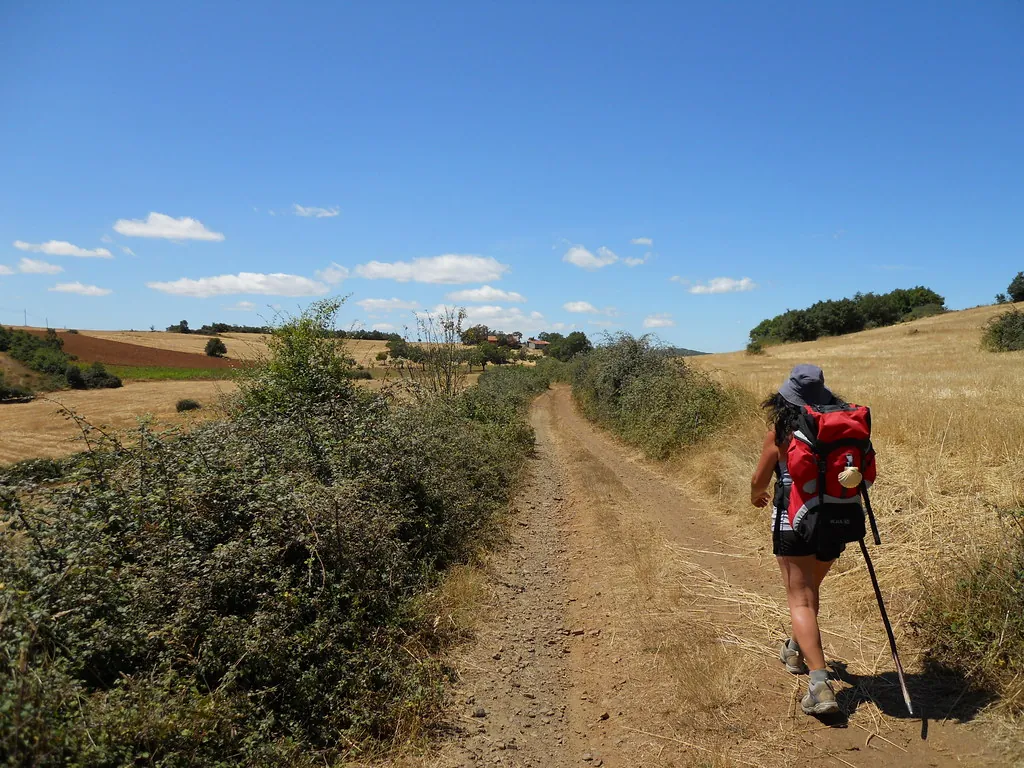
The Vía de la Plata runs from Sevilla to Santiago de Compostela, covering 973 km over 36 stages. It is a demanding, solitary Camino with long gaps between services, best suited to experienced pilgrims who are physically well prepared and able to plan each day carefully.
This plan reaches Santiago via the Sanabrés and Ourense. At Granja de Moreruela you can also continue to Astorga and join the French Way: these are different itineraries.
At a glance
- Walk 973 km from Sevilla to Santiago over 36 stages.
- The best times to go are March to May and September to October.
- The heat, the length of some stages and the lack of services are its greatest challenges.
- Plan your water, accommodation and food before setting off each morning.
What is the Vía de la Plata and how long is it?
The Vía de la Plata is a Camino route that starts in Sevilla and crosses Extremadura, Castilla y León and Galicia before reaching Santiago. At 973 km over 36 stages, it is the longest route listed on Peregrinia.
The modern pilgrimage uses the historic corridor of the Roman road between Mérida and Astorga; not the entire Sevilla–Santiago journey follows a Roman road. Between them lie the dehesas, the wide horizons of the Meseta and the mountains of Sanabria. The scenery changes considerably, but the sense of space and silence remains.
This is not a southern version of the French Way. There are fewer pilgrims, fewer services between stops and days when managing your water matters as much as physical fitness. That off-the-beaten-track character is precisely what appeals most to anyone looking to walk at a relaxed pace without constant socialising.
Why choose the Vía de la Plata?
The main reason is the solitude. You can walk for hours without meeting another pilgrim, something that is hard to find on the busier routes. The experience is more introspective and calls for confident, independent decision-making.
- History: the route retains its connection to the Roman road and passes through cities with an extraordinary heritage, including Mérida, Salamanca and Zamora.
- Scenery: it combines the dehesas of Extremadura, the vast Meseta and the terrain of Sanabria before entering Galicia.
- Food: try jamón ibérico in Extremadura, lechazo in Castilla and octopus in Galicia.
- Peace and quiet: the low number of walkers makes it easier to set your own pace, although there are also fewer opportunities to share a stage.
It is a good choice if you enjoy long-distance routes, do not need to find a bar every few kilometres and can stay motivated for several weeks. If you are concerned about spending too much time alone, the noticeboard for finding Camino companions can help you arrange to set off with other pilgrims.
How difficult is the Vía de la Plata?
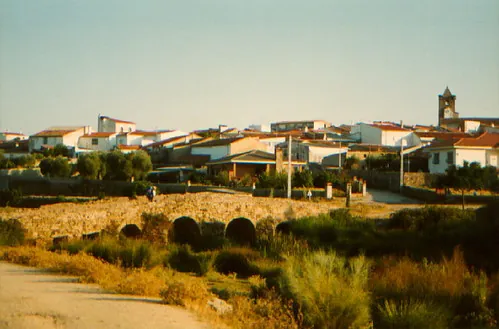
The Vía de la Plata is rated as a route of high difficulty. This is due less to any single mountain pass or technical section than to the combined effect of the distance, heat, long days, widely spaced services and many consecutive days of walking.
- Total distance: completing 973 km calls for consistency and proper recovery between stages.
- Heat: temperatures in Extremadura and Castilla can be extreme in late spring and summer.
- Services: there are long stretches without villages, fountains, bars or shops.
- Navigation: waymarking could be better in some places, and mobile reception is unreliable in rural areas.
- Mental strain: walking with little company for days can feel liberating or difficult, depending on the person.
You do not need to walk quickly, but you do need good stamina and experience of walking day after day. Accumulated fatigue is usually more significant than any single stage, so conserve energy from the outset and avoid pushing yourself to keep to a rigid plan.
How should you plan the 36 stages?
The standard itinerary divides the route into 36 stages. Treat it as a framework for planning your trip, not a daily obligation: your pace, the heat, the condition of your feet and accommodation availability should determine your schedule.
Before setting off, check where the day's stage ends and what services are available there. On this route, shortening a stage as you go is not always possible, as there may be no clear alternative between two settlements. It is also worth calling ahead to check whether accommodation in a small village is open and accepting pilgrims that day.
Allow time for rest or changes to your itinerary. A plan of 38 to 42 days gives you room to fit in the 36 stages, rest days and minor adjustments without turning every setback into a race against time.
Check the albergues on the Vía de la Plata as you plan each section. An up-to-date list of stage stops and nearby alternatives greatly reduces uncertainty, especially outside the busier periods.
Which stages and places should you not miss?
On such a long route, there is no single defining day. Some departures and arrivals, however, capture much of the route's history and scenery.
Sevilla to Guillena
The first stage leaves Sevilla behind, with the Giralda as its great landmark. Take it steadily: there is a long way ahead, and your body is still adjusting to the backpack and the heat.
Mérida to Alcuéscar
As you leave Mérida, you can say goodbye to its Roman theatre before tackling a long stage. This is one of those days when it pays to have checked your water, food and accommodation in advance.
Salamanca to El Cubo de Tierra del Vino
Salamanca provides an urban and cultural break midway through the route, with its historic university among the trip's standout memories. Beyond the city, the open horizons return, along with the need to manage your energy carefully.
Ourense to Cea
Ourense's free thermal baths offer a restorative break before you continue towards Cea. In this part of the Camino, the Galician landscape signals that Santiago is drawing closer, but it still pays to walk patiently.
When is the best time to walk it?
The best-balanced periods are March to May and September to October. These months usually avoid the worst of the summer, although conditions can change and you should always check the forecast before each stage.
July and August are not recommended: temperatures in Extremadura can exceed 45 °C. On exposed stages, the heat greatly increases your water needs, slows your pace and leaves very little margin for error when there are no services along the way.
Winter is possible, but the cold on the Meseta makes the route more challenging and some accommodation may operate irregularly. If your dates are flexible, read our guide to the best time to walk the Camino before booking your travel.
How much does the Vía de la Plata cost?
As a guide, budget between 2,500 and 4,000 € for a trip lasting 38 to 42 days. The final cost depends on the type of accommodation you choose, how often you eat in restaurants and your travel to and from the route.
- The Xunta public hostel network in Galicia charges €10 per person per day. This is not a rate for every hostel on the Camino: check each accommodation’s price, opening and conditions.
- Food: between 10 and 15 € per day if you combine simple groceries with set menus.
- Contingency fund: set money aside for rest days, accommodation changes, pharmacy costs or unexpected transport.
Do not build your budget by simply multiplying the cost of a bed and food. On such a long route, you are more likely to need a private room, replace gear or stop for a day. Our guide to how much the Camino de Santiago costs will help you organise these expenses.
How do albergues and services work?
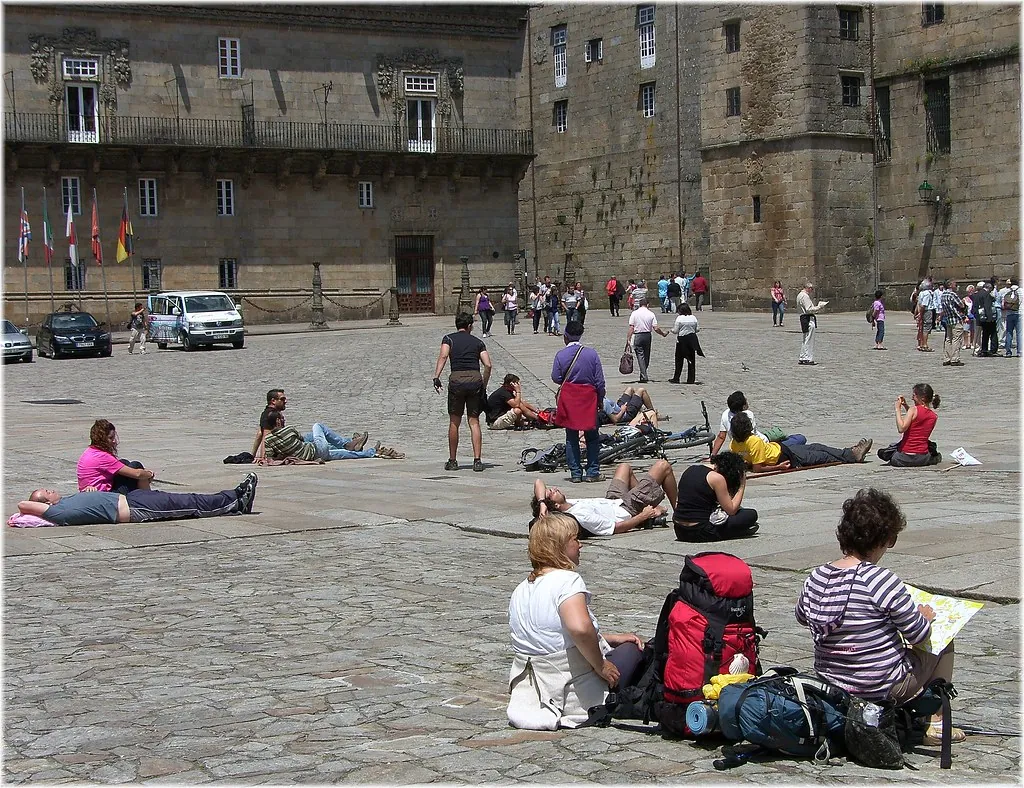
The network is more limited than on busier routes. You will have more options in cities and at the usual stage stops; in small villages, there may be only one place to stay, operating by prior arrangement.
Confirm that it is open before walking to a place with no clear alternative. Ask about the check-in time and whether you can have dinner or buy food there. Finding a bed but being unable to get an evening meal is a problem that a morning phone call can prevent.
Carry something simple to eat if the day's route does not pass through settlements with services. There is no need to carry excessive supplies: anticipate the gaps along the itinerary and restock whenever you have the chance.
What fitness and gear do you need?
Arrive with experience of walking on consecutive days and in footwear you have already broken in. You can get through one long day on willpower; several weeks will only go well if your body is prepared and you make recovery a priority.
Your backpack should hold what you need without extra weight added out of fear. Water, sun protection, a layer for cold and rain, a basic first-aid kit and offline navigation are the priorities. Use our guide to what to pack for the Camino de Santiago to check your gear without doubling up on clothing or accessories.
Pay attention to any rubbing from the first moment you notice it. Drying your feet, changing your socks when necessary and stopping to deal with a friction point can prevent a minor irritation from affecting several days. Our guide to foot care on the Camino covers the essentials.
How should you manage water and navigation?
Always carry extra water and find out where you can refill. There are long stretches without fountains or services, and you should not rely on finding an open bar outside the main towns.
On hot days, set off early and adjust your pace. If extreme weather is forecast, changing your plan is better than exposing yourself during the hottest part of the day. No remaining distance ever justifies ignoring intense thirst, dizziness or exhaustion.
Download maps for offline use before you begin, as mobile reception can fail in rural Extremadura. Check the route when leaving cities and at uncertain junctions; a few minutes of reviewing the map can prevent costly detours when settlements are far apart.
Is this a suitable route to walk alone?
Yes, provided you are comfortable making decisions without immediate support. The peace and quiet is one of its great strengths, but prolonged solitude can become difficult when fatigue, bad weather or a change of plan enters the picture.
Tell someone where you plan to finish each stage, carry enough battery power and do not rely solely on mobile reception. When you meet other pilgrims, sharing information about water, accommodation and opening times can be more useful than simply sticking to a fixed plan.
You can also share just part of the journey. Arranging to walk a few days with someone else does not take away from the route's peaceful character and gives you support on stretches with fewer services.
Before buying your tickets, sketch a trial day: where you will start, how many hours you want to walk and where you could stop earlier if tired. The distances and stages here are planning references; variants and your chosen accommodation can change them. If a day asks too much, see how to plan the Camino with shorter stages. For a first trip lasting a few days, comparing Sarria and Tui helps you pick a manageable start. Keep a spare day too, for rest, a sore foot or enjoying an arrival without watching the clock.
Frequently asked questions
How many kilometres long is the Vía de la Plata?
The full route from Sevilla to Santiago is 973 km. The standard itinerary divides it into 36 stages.
Is it a good choice for a first Camino?
It is not usually the easiest option for a first Camino because of the distance, heat, days with few services and solitude. A well-trained beginner can walk it, but must take particular care when planning accommodation, water and rest days.
Can you walk the Vía de la Plata in summer?
July and August are not recommended, especially when crossing Extremadura, where temperatures can exceed 45 °C. March–May and September–October are more suitable periods.
Do you need to book the albergues?
Not always, but it is worth calling ahead in small villages because alternatives may be limited and opening times irregular. Also confirm where you can have dinner or buy food when you arrive.
How much money do you need?
The available estimate is 2,500 to 4,000 € for 38–42 days. Add a contingency fund for rest days, transport, pharmacy costs or the occasional night outside an albergue.
How should you start planning your Vía de la Plata?
Choose your dates first, make sure you avoid the most extreme heat and review the 36 stages in sections. Then mark accommodation, places to buy supplies and possible rest stops, test all your gear on training walks and download the route for offline use.
Your next practical step is to open the map of routes, stages and albergues and turn the journey between Sevilla and Santiago into a realistic day-by-day plan. Leave room to change it: on the Vía de la Plata, good planning also means knowing how to adapt.