












Camino Primitivo: complete guide from Oviedo
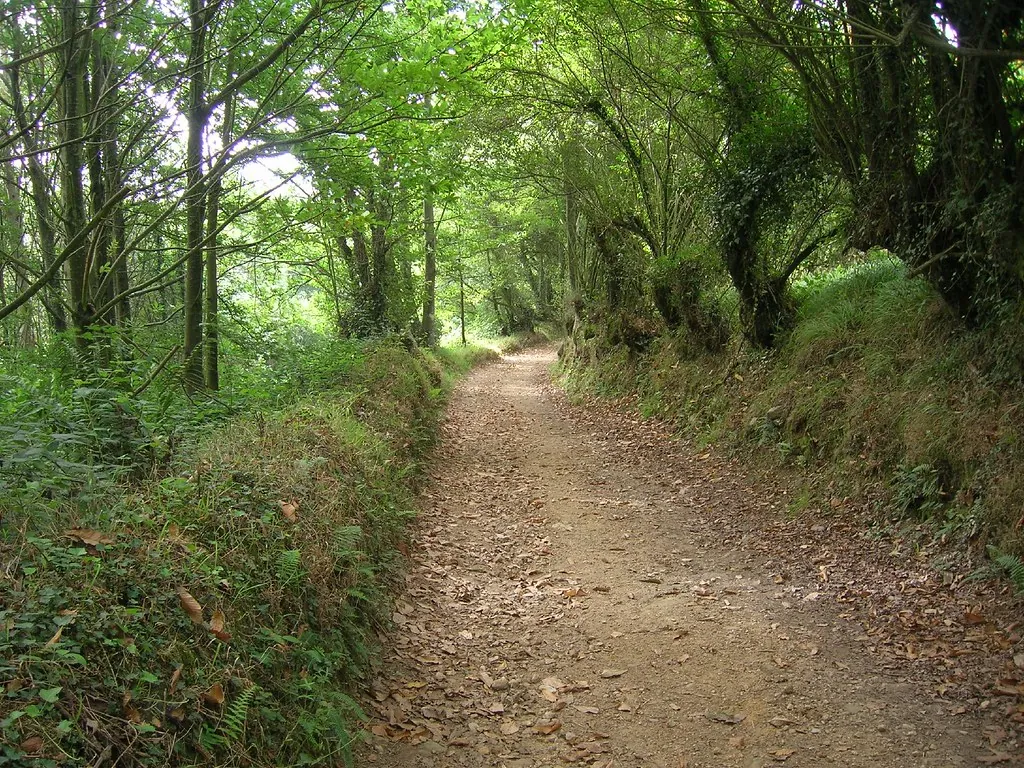
The Camino Primitivo runs from Oviedo to Santiago through inland Asturias and Galicia. It is a mountain route with repeated climbs, possible mud and longer gaps between services than on the French Way. Its forests, hamlets, open landscapes and the arrival in Lugo before joining the French Way at Melide make the effort worthwhile. Allow some spare time, train for the descents and choose the Hospitales route according to the actual weather.
What is the Camino Primitivo?
The Camino Primitivo follows the tradition associated with King Alfonso II's journey from Oviedo towards Compostela. Today it is a waymarked route across western Asturias, entering Galicia through A Fonsagrada before continuing to Lugo and Melide. From there, it shares its final days with the French Way.
Its identity does not depend on being the hardest or oldest route. What walkers notice is the succession of climbs and descents, the exposure along some ridges and settlements spaced farther apart than on the most popular Caminos. It demands consistency rather than speed.
Most people take around two weeks, but there is no compulsory stage plan. Some need more days and others start beyond Oviedo. Check the stages on the route page, sketch out your journey with Plan your Camino and leave one spare day.
Who is this route for?
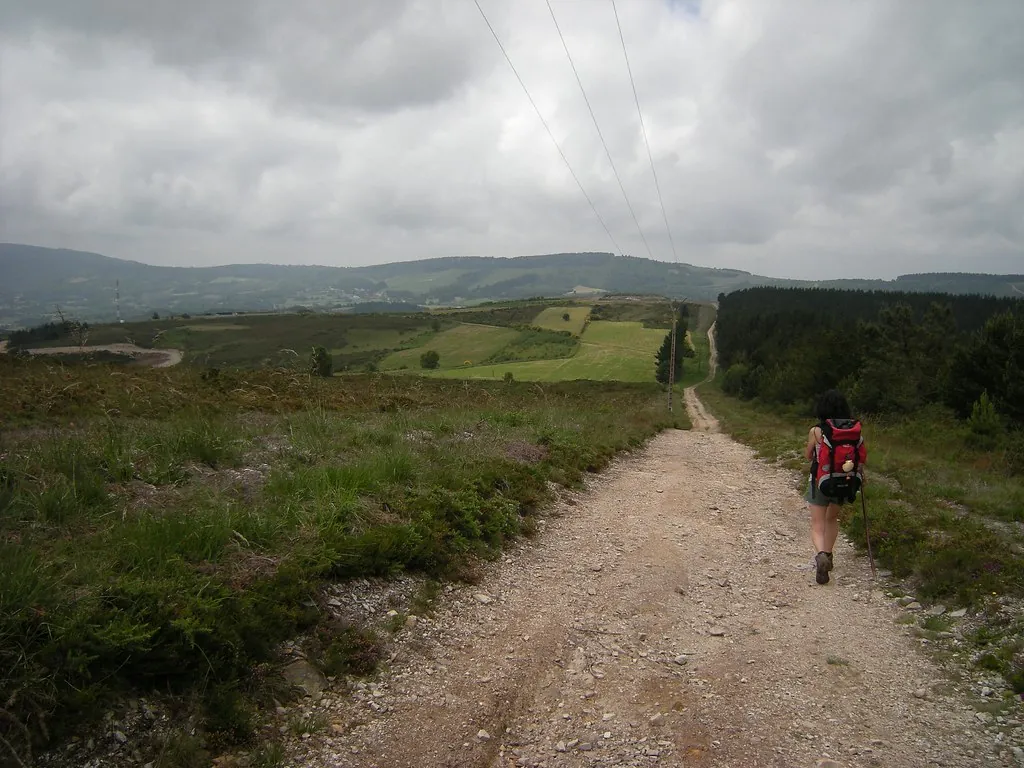
The Primitivo suits walkers who enjoy rolling terrain, accept carrying food and water between services and do not need to finish every day in a large town. Sensible preparation makes it manageable without being an athlete, although you should have walked consecutive hilly days before arriving in Oviedo.
It is not the easiest first multi-day walk if you have knee problems, little experience in rain or a schedule with no flexibility. That does not mean giving up: you can start in Lugo, choose one section or prepare with the Camino training plan.
If you want constant company, remember that the first half can be quiet outside summer. The atmosphere changes in Melide when the route joins the French Way. That transition is part of the route, not a flaw to avoid.
The route from Oviedo to Santiago
Oviedo, Grado and Salas
Oviedo has transport links, accommodation and all the services needed before setting off. Start with a moderate day if you only arrived the previous evening. The Way leaves the urban area and passes local roads, hamlets and hills towards Grado.
The climbs and rural scenery continue between Grado and Salas. Salas is a good place to check your feet, buy supplies and adjust your plan. Do not judge these first days by distance alone: your body is still adapting to the pack and terrain.
Tineo and western Asturias
After Salas, the route climbs towards Tineo and enters a quieter area. Views open up, services become farther apart and the weather can change quickly. Carry enough water and confirm where you can eat or shop before leaving.
This is where you choose between the Hospitales variant and the route through Pola de Allande. You do not need to decide months ahead. If possible, book in a way that keeps both options open and decide using the forecast, visibility and local advice.
Grandas de Salime and entering Galicia
Around Grandas de Salime, long descents are followed by fresh climbs. The reservoir and valleys create memorable scenery, but sustained downhill walking is hard on legs and knees. Poles help when properly adjusted and practised with beforehand.
The route crosses into Galicia and reaches A Fonsagrada. Weather can be cool even outside winter, while fog reduces both orientation and visibility. Keep a warm layer within reach and never cross an exposed pass during a weather warning.
From A Fonsagrada to Lugo
The Camino continues through woodland, hamlets and tracks towards O Cádavo and Lugo. Although the profile begins to ease compared with Asturias, short climbs and uneven surfaces remain. Accumulated fatigue deserves more attention than the difficulty of one isolated stage.
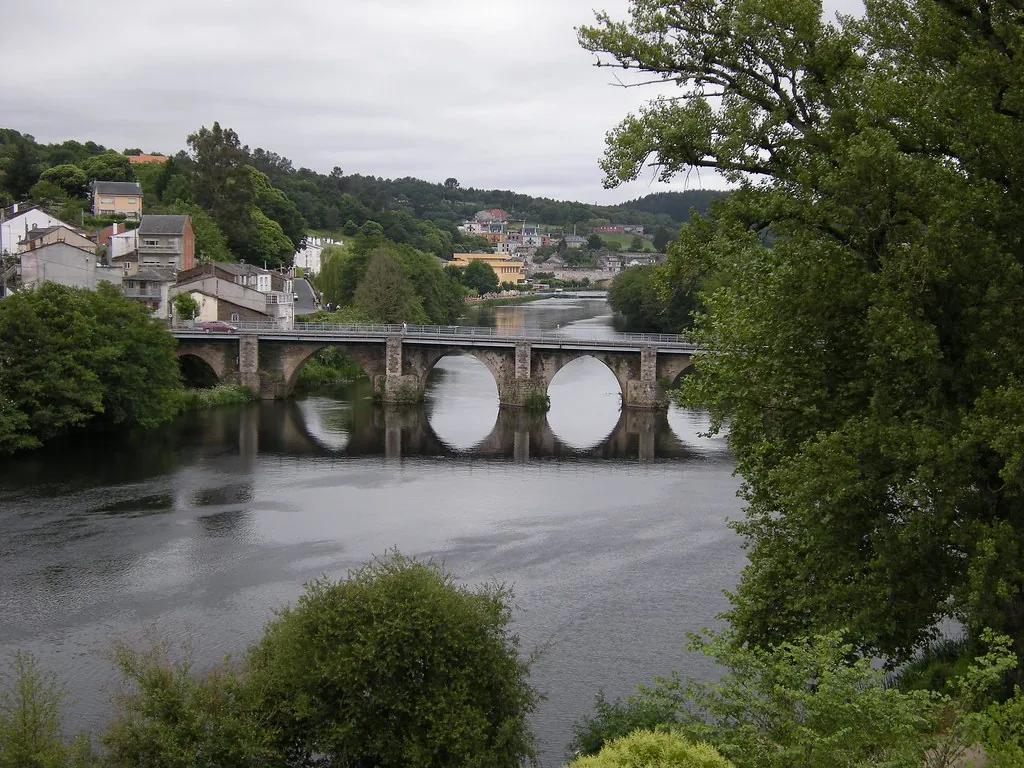
Lugo is a chance to rest, replace equipment and discover a walled city before moving on. If your schedule is tight, do not turn the stop into a sightseeing race. Useful recovery means eating, washing, caring for your feet and sleeping.
From Lugo to Melide and Santiago
Beyond Lugo, the Primitivo crosses rural country where accommodation choices shape your stages. Ferreira is a common stop, but not the only one. Check where you can stay and do not extend a day without knowing where you will eat and rest.
The route merges with the French Way in Melide. There are more pilgrims, bars and places to stay, especially in high season. From Arzúa and O Pedrouzo the familiar final sequence leads to Santiago; book ahead during holidays or major dates.
There is no need to rush your arrival. Check current opening times and requirements if you want to collect the Compostela. Our guide to what the Compostela is and how to obtain it explains the steps without confusing the certificate with your personal experience.
Hospitales or Pola de Allande
The Hospitales variant crosses high, open ground with no services in between. In good weather it offers sweeping views; in fog, strong wind, storms or cold it can be a poor choice. Pola de Allande passes through a settlement before a demanding climb.
Neither option is best for everyone. Hospitales is not a trophy, and Pola is not a lesser alternative. The right decision matches your experience and that day's conditions. Read the dedicated guide to Hospitales or Pola de Allande.
If you take Hospitales, carry water, food, protection and backup navigation. Leave only with a favourable forecast and adequate visibility. If there is reasonable doubt, walk through Pola de Allande or wait; the mountain will still be there.
Difficulty and physical preparation
The Primitivo is hard because of repetition. One climb may feel manageable, but several days of elevation gain tire calves, knees and backs. Train by walking on two or three consecutive days and add hills gradually.
Practise descents too. Take short steps, avoid running with a pack and adjust your poles before the trip. If pain changes the way you walk, stop and consider medical attention; compensating for several days can make an injury worse.
Weight matters. Pack the essentials, wash clothes and avoid duplicate items carried through fear. The guide to what to pack for the Camino offers a starting point, but your route and season determine insulation and water capacity.
Best time to walk the Camino Primitivo
Spring
The woods are green and more services reopen, but rain, mud and cold spells remain possible. Early in the season, high ground may still have winter conditions. Confirm opening dates and never plan Hospitales without an alternative.
Summer
There are more daylight hours and open accommodation, as well as more walkers. Heat also affects Asturias and Galicia, especially on exposed climbs. Start early when the forecast advises it and carry enough water.
Autumn
September often retains good services and favourable weather; October brings colour and greater uncertainty. Daylight shrinks as the season advances and some accommodation closes. Check every stop before setting out.
Winter
Snow, ice, rain and closures make this a route for people with specific experience. Adding more clothes is not enough. Check warnings and consider another itinerary; the guide to the Camino in winter will help you assess the risks.
Accommodation, food and water
The network includes albergues and private accommodation, but it is less dense than on the French Way. Search the accommodation directory and confirm opening, check-in and payment methods. In some places, notify your host if you want dinner.
Carry a simple emergency snack. You do not need several days of food, but you should prevent one closure from turning a normal stage into a problem. Fill up with safe water and ask about fountains, whose condition can change.
Consideration matters on a route with limited beds. Respect sleeping hours, do not spread your belongings everywhere and follow each property's rules. The guide to albergues and private guesthouses helps you choose for your rest and budget.
Footwear and equipment
Your footwear needs grip, comfort and room for swollen feet. Boots or trail shoes depend on your adaptation, season and load; neither category suits everyone. Read the boots and shoes comparison and wear your chosen pair for weeks before departure.
- Rain: a tested jacket or poncho, pack cover and waterproof inner bags.
- Layers: breathable clothing, light insulation and a windproof layer suited to the forecast.
- Feet: spare socks and basic supplies for treating a hot spot.
- Navigation: an offline route, battery and head torch for emergencies, without planning to walk at night.
- Water and food: enough capacity for sections with no confirmed services.
Getting to Oviedo and home from Santiago
Oviedo has rail and coach connections; Asturias Airport requires an onward road transfer. Timetables and frequencies change, so check the entire journey and arrive the day before if possible.
Santiago offers trains, coaches and local transport to the airport. Do not book a departure too close to your final stage. A last night provides room for delays, rest and practical errands without rushing.
If you stop early, identify towns with transport before you start. Keep some budget for a shared taxi or an extra night. You can ask about recent experiences in the forum, then verify every timetable with the operator.
Walking alone or with others
The Primitivo attracts people who value quiet, but you need not walk in isolation. Informal groups form in albergues, and you can find walkers with similar dates through Travel companions. Agree on pace and expectations before linking bookings.
If you walk alone, share your plan, report changes and stay self-reliant. Do not follow someone onto an unsafe variant or hand all your money and documents to the group. Company works best when every pilgrim can look after themselves.
Frequently asked questions
How many days do I need for the Camino Primitivo?
Many plans from Oviedo take around two weeks, but the breakdown depends on fitness, rest days and variant. Include arrival and return travel too. If time is short, start farther along rather than forcing long stages.
Is the Camino Primitivo the hardest Camino?
It is one of the established Caminos with more accumulated elevation and less dense services. Personal difficulty changes with weather, pack weight and training. There is no need to compete with other routes.
Is Hospitales compulsory?
No. The alternative through Pola de Allande is part of the route and may be the right choice in poor weather or with limited experience. Decide from current conditions, not social pressure.
Can I start in Lugo?
Yes. Lugo is a common, well-connected starting point. If you want the Compostela, confirm the recognised distance and current requirements with the Pilgrim's Office before travelling.
Do I need to book?
Booking is wise in high season, at weekends and in places with limited options. In low season, confirming that accommodation is open matters even more. Fewer walkers do not guarantee availability.