












Camino Inglés (English Way): complete guide from Ferrol or A Coruña
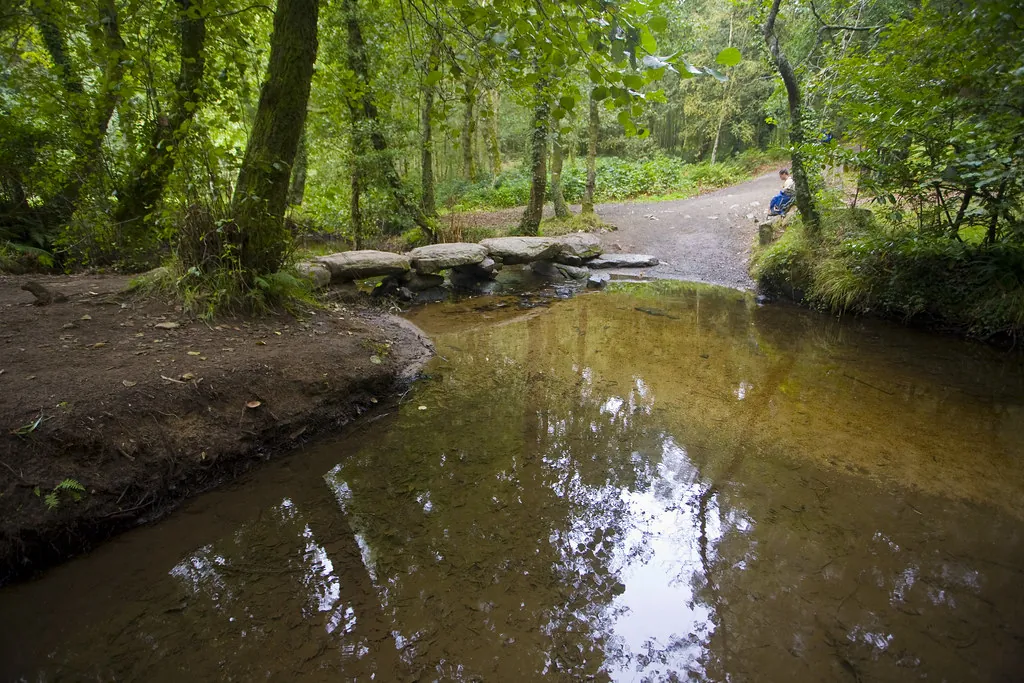
The Camino Inglés leads to Santiago from Ferrol or A Coruña through estuaries, historic towns and inland A Coruña province. From Ferrol it usually takes five to seven walking days, which fits comfortably into a week including transfers. It is short, but not flat: the climbs are concentrated and accommodation is scarce in places. If you want the Compostela, check before leaving which starting point and proof meet the current rules.
What is the Camino Inglés?
The Camino Inglés, or English Way, recalls the pilgrims from northern Europe who once arrived by sea at Galicia's ports. Its two historic branches begin in Ferrol and A Coruña, join before Santiago and share the final inland stretch.
Its great advantage is time: you can walk a complete route without taking several weeks. Good city connections help at both ends, but this is no gentle stroll. Expect hills, hard surfaces, possible rain and stages shaped by where beds are available.
Demand rises on holiday weekends, at Easter and in summer, while quieter stretches remain outside peak dates. Read the route page and use Plan your Camino to fit the stages to your available days.
Ferrol or A Coruña: where should you start?
Starting in Ferrol
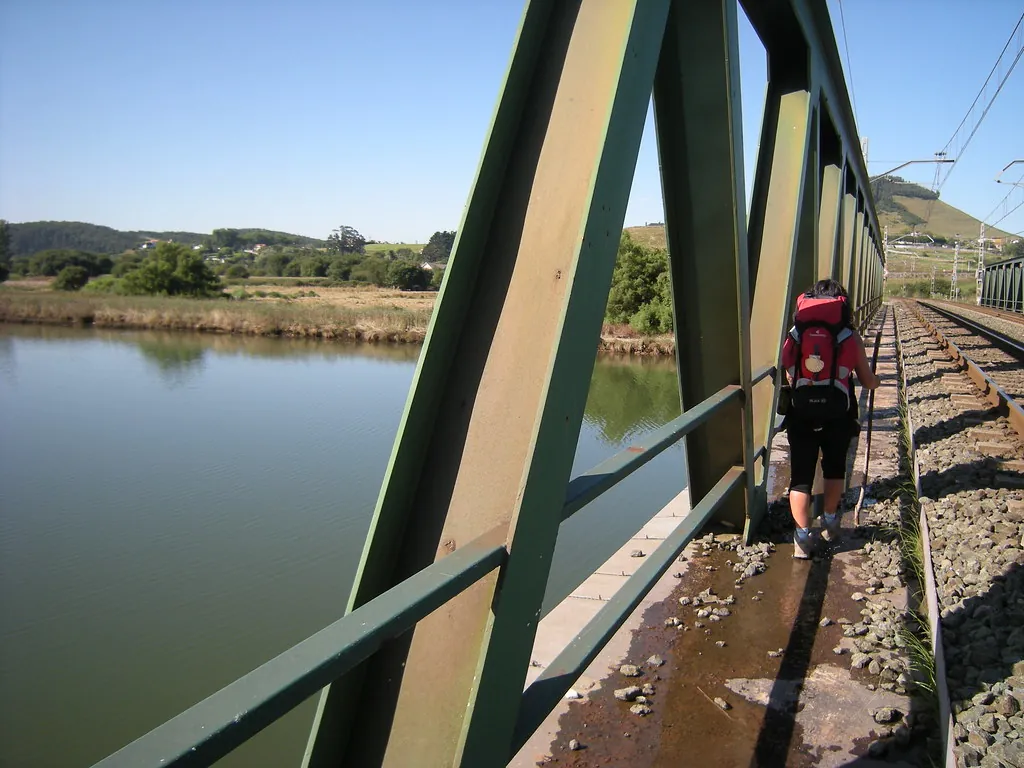
Ferrol is the usual starting point because this branch covers the minimum distance traditionally required from walkers applying for the Compostela. It follows the estuary past places with naval and industrial history, then heads towards Pontedeume and Betanzos.
It also makes a neat one-week trip: arrival, five or six walking days and the journey home from Santiago. Your exact plan depends on pace and accommodation. Never copy an itinerary without checking elevation and vacancies.
Starting in A Coruña
The A Coruña branch is shorter and has its own historic importance. By itself it may not meet the standard distance requirement for the Compostela. Special criteria may recognise an earlier documented walk, but check the current wording with the Pilgrim's Office.
Choose A Coruña if this route and its port interest you and the certificate is not your only goal, or once you know you meet the rules. Do not add artificial kilometres or rely on an old forum post.
The practical choice
Ferrol is simplest for a continuous walk to Santiago within a week. A Coruña suits fewer days or a trip focused on the city and port. Compare both approaches on the route map and settle your transport first.
Common stages from Ferrol
There is no single official stage plan. These towns are useful service hubs, but confirmed beds may let you stop between them. Splitting a hard day is wiser than getting injured to obey a list.
Ferrol and Neda
The route follows the estuary through urban areas and waterfront paths, allowing a short first day to Neda; some plans go farther. After travelling that morning, stopping nearby avoids a rushed start and lets you test your pack and shoes.
Pontedeume
The approach combines coastal settlements, bridges and changing surfaces. Steep slopes then surprise walkers who expect a flat coastal route. Buy supplies where services exist and check your accommodation's arrival time.
Betanzos
Betanzos is a popular stop for its heritage and town services. The day before or after can carry substantial ascent, so study the full profile. Restock, care for your feet and confirm the next night.
Hospital de Bruma
This is a pinch point where branches meet and nearby options can be limited. Book ahead on busy dates and know how to reach an alternative. Do not assume you can continue to another town without checking distance and daylight.
Sigüeiro
Sigüeiro has services and leaves a manageable final day to Santiago, although the route includes urban approaches. Decide whether you will sleep in Santiago and book early in high season.
Santiago de Compostela
The final approach crosses urban areas before the old town. Follow the signs and watch the traffic. If collecting the Compostela, treat it separately from visiting the cathedral and check current rules and hours.
Our guide to the Compostela explains the process. To enjoy the finish without rushing, also see what to do in Santiago.
Difficulty: short does not mean easy
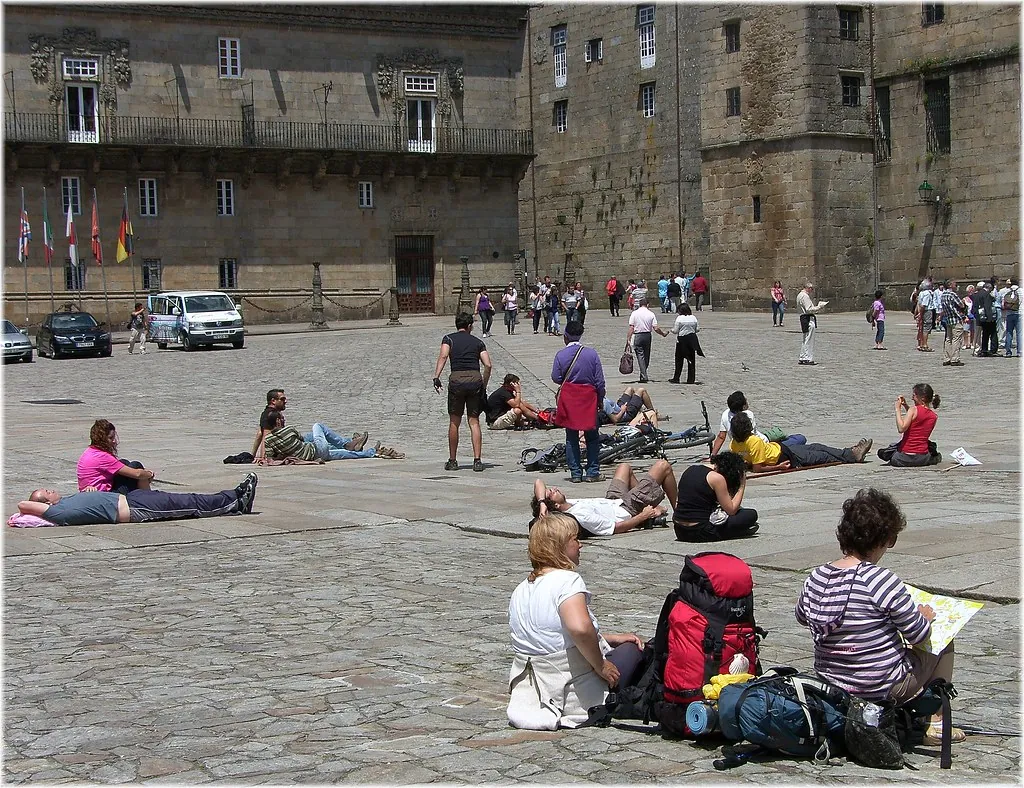
The Camino Inglés has fewer days than the French Way from Saint-Jean-Pied-de-Port, but packs in plenty of climbing and descending. An untrained walker can finish this short week with the same aches as on a long route. Surfaces alternate between asphalt and paths that become slippery in rain.
Train on consecutive days and include hills. If you exercise without a pack, test its real weight. Our guide to training before the Camino turns general fitness into useful walking endurance.
Leave room to stop. Five stages can suit a trained walker; six or seven offer a calmer pace and reduce some demands. Include arrival and return days when counting your holiday.
Best time to walk the Camino Inglés
Spring
Spring brings green scenery, longer days and frequent rain. Easter raises occupancy and may change opening hours. Confirm beds and carry rain protection you have already tested.
Summer
Summer offers more daylight and services, but also greater demand in Galicia. Hot spells are possible even near the Atlantic. Start early when forecast conditions suggest it, use sun protection and reserve where beds are scarce.
Autumn
September often retains atmosphere and availability; October is less predictable. Rain and closures increase as the season advances. Contact each property and never plan to arrive at the edge of daylight.
Winter
There are no major mountain passes, but Atlantic storms, rain and short days still matter, and some services close. Read our winter Camino de Santiago guide and keep transport alternatives.
Accommodation and booking
The English Way mixes cities with rural points where beds are limited. Check available accommodation and confirm opening dates, reception times and terms. Prices and hours can change, especially off-season.
Prioritise Hospital de Bruma and stage ends with few alternatives. If everything is full, change the stage plan before leaving rather than relying on an improvised transfer. Save phone numbers and a workable second choice.
Public and private pilgrim hostels follow different rules; some accept bookings and others do not. Our comparison of albergues and private guesthouses helps you balance budget, rest and flexibility.
What to pack for one week
A short route does not require fresh clothes for every day. Take two or three sets you can wash, dry clothes for each finish and layers suited to the forecast. Protect documents and electronics inside the pack even with an outer cover.
- Broken-in footwear: grip for wet stone and room for swollen feet.
- Rain: a tested jacket or poncho and genuine protection for your belongings.
- Water: capacity matched to the day, refilled at safe points.
- Visibility: a head torch for delays and extra care at road crossings.
- Feet: dry socks and basic supplies to treat rubbing immediately.
Do not overpack because you are walking for only a few days; every climb will remind you that weight matters. Use our Camino packing list and remove anything without a clear job.
Getting to Ferrol or A Coruña
Both cities have public transport links with other Galician cities. The best combination depends on where and when you travel. Check every connection, including the final leg to your lodging, and arrive the previous day if the timing is tight.
If you fly to Santiago or A Coruña, do not assume there is an immediate connection to Ferrol. Check frequency and buy ahead where possible. A delayed arrival should never force you to walk after dark.
Plan your departure from Santiago with spare time. Trains, buses and flights keep separate timetables. A night after finishing allows rest and reduces the risk of missing a ticketed service after a slow stage.
Waymarking, water and food
The way is marked, but crosses towns, junctions and diversions where habit can carry you the wrong way. Keep an offline track and check direction when leaving each settlement. If signs disappear, return to the last known point.
Do not depend on a bar being open at one exact time. Carry simple food and know where water can be refilled. Rural hours, weekly rest days and seasonal closures change, so confirm any service you truly need.
For recent reports, ask in the Peregrinia forum, but verify transport and availability with the responsible provider. Another pilgrim's experience describes their date, not yours.
Walking alone, as a couple or in a group
The English Way is a good first shared Camino because it fits into a week. Agree on pace, budget and lodging style beforehand. Walking together need not mean matching every step; meeting points reduce tension.
If you are solo and want company, post your dates and start in Companions. Keep your own documents, bookings and money, and tell someone you trust about itinerary changes.
Frequently asked questions
How many days does the Camino Inglés take?
From Ferrol it is usually split into five to seven walking days. Fitness, beds and transfers determine the plan. Add at least your arrival day and consider a final night in Santiago.
Is it better to start in Ferrol or A Coruña?
Ferrol gives a longer route and is the direct choice for the standard Compostela distance. A Coruña is historically important and takes fewer days, but check your eligibility.
Is the Camino Inglés suitable for beginners?
Yes, with hill training, a light pack and sensible stages. It is not flat and rain can make surfaces harder. One extra day is usually more useful than rushing.
Do I need to book accommodation?
Booking is advisable in high season, on holiday weekends and where options are scarce, especially near Hospital de Bruma. Off-season, confirm each property is open.
Can it be walked in winter?
Yes, with experience, suitable equipment and confirmed services. Despite avoiding high mountains, storms, rain and limited daylight can change your plan. Check warnings and keep a transport exit.