












Foot Care on the Camino de Santiago
In brief
Looking after your feet on the Camino starts with one priority: keeping them dry and minimising friction from the very first step. Wear seamless, moisture-wicking hiking socks, apply petroleum jelly or anti-chafing cream to vulnerable areas, and stop as soon as you feel any discomfort: acting early can prevent a hot spot from turning into a blister.
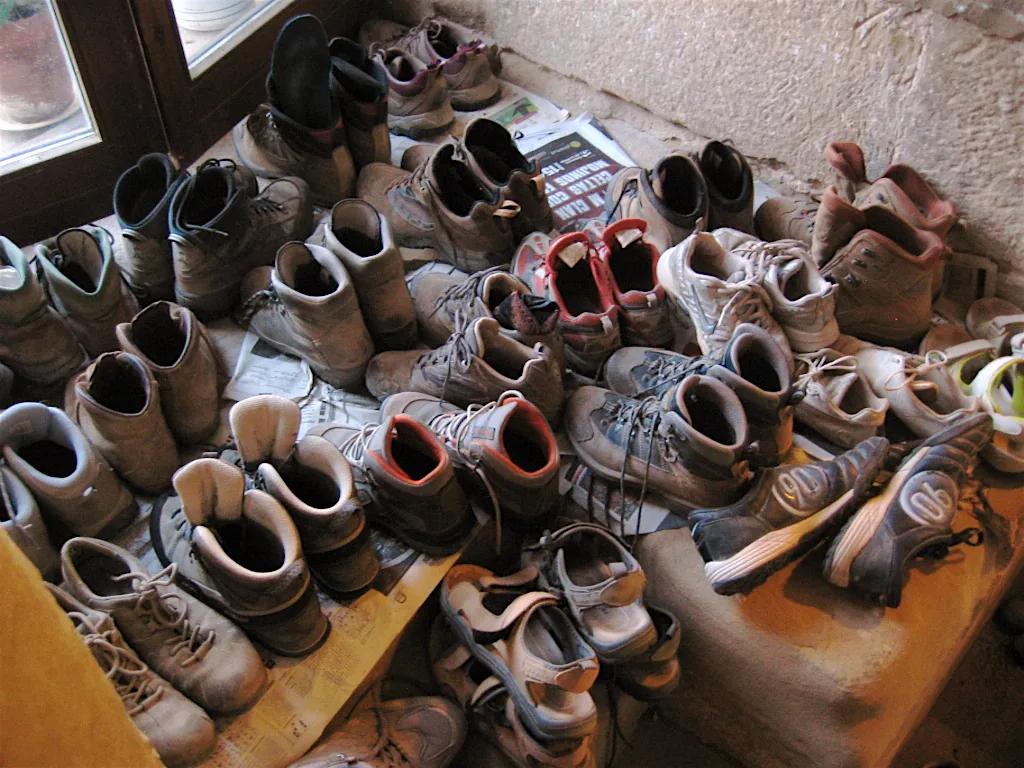
Looking after your feet on the Camino starts with one priority: keeping them dry and minimising friction from the very first step. Wear seamless, moisture-wicking hiking socks, apply petroleum jelly or anti-chafing cream to vulnerable areas, and stop as soon as you feel any discomfort: acting early can prevent a hot spot from turning into a blister.
At a glance
- Break in your footwear before starting the Camino, and wear seamless, moisture-wicking hiking socks.
- Apply anti-chafing cream to your toes, heels and the balls of your feet before walking.
- If your feet get wet or sweat heavily, dry them and change your socks during the stage.
- Do not peel the skin off a blister, and seek medical attention if you notice signs of infection.
How to prepare your feet before starting the Camino
Foot care begins before you reach the starting point. Your footwear and socks should already have been tested on actual walks; a stage is no time to discover that a seam rubs or your heel slips inside your shoe. When choosing boots or walking shoes for the Camino, the comfort of your feet should come first.
Pack several pairs of seamless, moisture-wicking hiking socks, preferably merino wool. Change them every day and keep a dry pair in reserve for when rain or sweat soaks the ones you are wearing. Our Camino packing list will help you check the rest of your gear without overpacking.
Before setting off each morning, inspect your feet and identify the areas that tend to rub. Apply petroleum jelly or anti-chafing cream to your toes, heels and the balls of your feet. Do not wait for pain to appear before protecting them.
Your foot-care routine during each stage
Pay attention to the first signs of discomfort. A hot spot, chafing or pain that returns with every step is a warning to stop, take off your footwear and inspect the area. Carrying on without checking it will usually increase the friction.
Moisture softens the skin and greatly increases the risk of blisters. If it rains or you sweat heavily, stop halfway through the stage, take off your socks, dry your feet thoroughly and put on a clean pair. Some pilgrims also sprinkle talcum powder inside their socks to absorb excess moisture.
Long stages call for extra care. On the stage from Sarria to Portomarín, for example, use one of your breaks to check that your socks have not bunched up and your feet are still dry. The same habit helps on any route and takes far less time than treating a more serious injury.
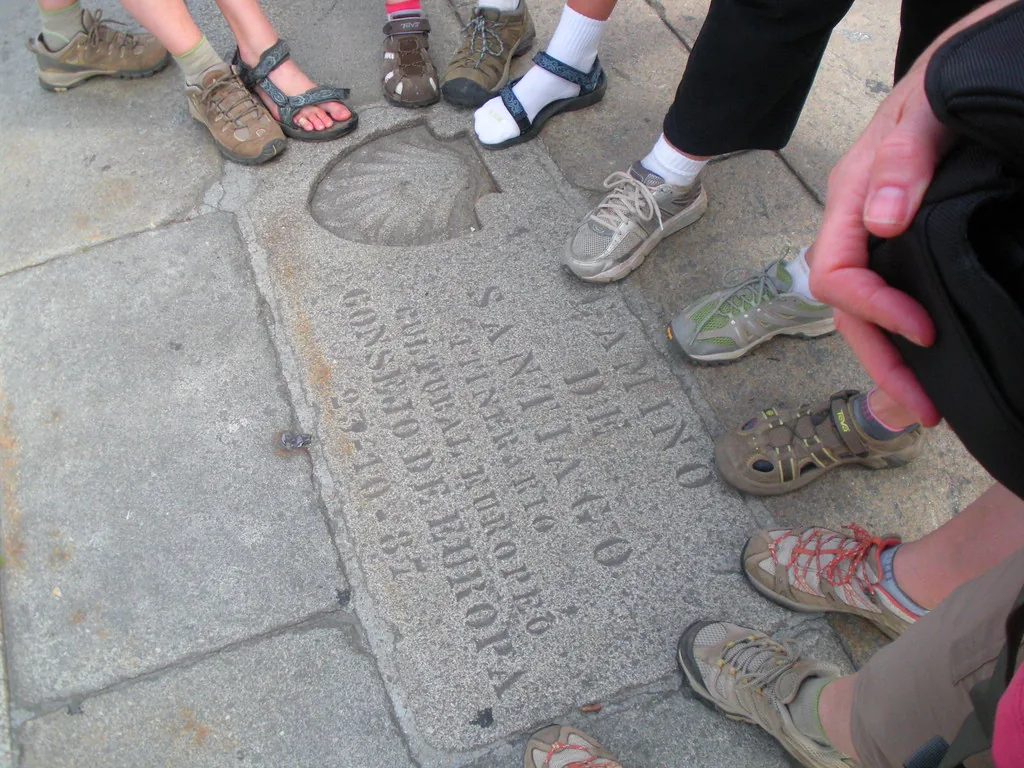
How to care for your feet at the albergue
At the end of the day, take off your footwear and socks, wash your feet and dry them carefully. Let them air out, then check your toes, heels and soles. You can apply a soothing foot cream afterwards.
This evening check can reveal chafing before the next stage. It is also a good time to hang up your used socks to dry and set out a clean pair. If you plan your day with the map of routes, stages and albergues, note the places where you could stop if your feet need attention the following day.
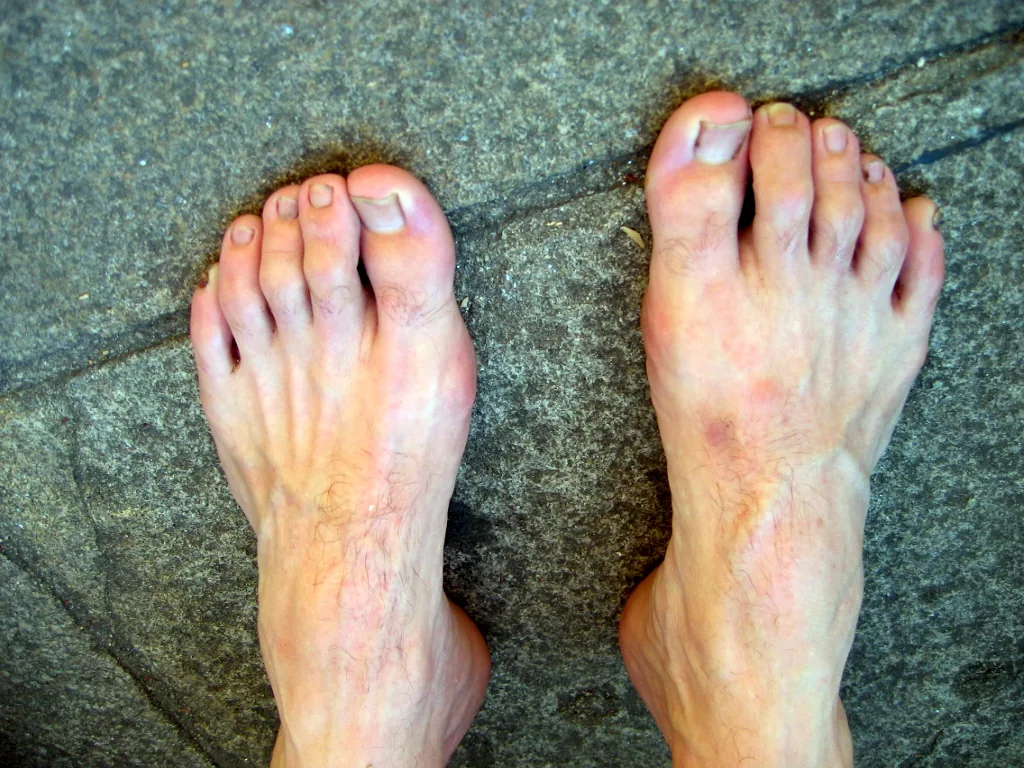
How to treat a blister without making it worse
If the blister is intact and you can protect it from friction, do not pop it automatically. Cover it with a suitable dressing and keep an eye on it. A hydrocolloid blister plaster such as Compeed can act like a second skin and make walking less painful.
Do not pierce or drain the blister yourself. If it is large, very painful or keeps returning, seek medical advice before walking on. If it bursts on its own, wash your hands, gently clean it with water, leave the skin in place and cover it with a clean dressing. Ask a pharmacist which dressing to use and follow its instructions for application and replacement.
If it has already burst, keep it clean, dry and covered. Do not let treatment become an excuse to finish the stage at any cost: if walking clearly makes the pain worse, stopping is the sensible choice. Our dedicated guide to preventing and treating blisters explains these steps in more detail.
When to stop and seek medical care
Seek medical attention if you notice pus, spreading redness or excessive warmth around the blister. These can be signs of infection, so do not wait to see whether they disappear while you carry on walking.
Many towns and villages along the Camino have medical centres, and plenty of albergues keep a basic first-aid kit. The albergue and services finder can help you locate a place to stop, but a first-aid kit is no substitute for medical assessment when there are signs of infection. Your health always matters more than the miles.
Choosing the next day without pushing through pain
After checking your feet, plan tomorrow around how you walk, rather than a booking made weeks ago. If discomfort changes the way you step, stop walking and rearrange your route; a dressing does not make an injured foot ready for a safe stage. For later days, the guide to short Camino stages helps you look for closer overnight stops and time to recover. Before setting off again, check that you can walk normally and that your footwear does not rub the same spot. If pain is significant or the injury is getting worse, seek medical advice before continuing.
Frequently asked questions
Which socks are best for preventing blisters?
Choose seamless, moisture-wicking hiking socks, preferably merino wool. Make sure they sit smoothly without any folds, and change them daily or sooner if they get wet.
Should I apply petroleum jelly before every stage?
You can apply petroleum jelly or anti-chafing cream before setting off, especially to your toes, heels and the balls of your feet. Focus on the places where you know your footwear tends to rub.
Should you always pop a blister?
Do not pierce or drain the blister yourself. If it is large, very painful or keeps returning, seek medical advice before walking on.
Can I keep walking with a blister?
A hydrocolloid blister plaster can reduce friction and help you walk with less discomfort. If the pain worsens, alters your gait or you notice signs of infection, stop and seek help.
What should I do if my feet get wet during a stage?
Stop, take off your socks, dry your feet thoroughly and put on a clean pair. Keeping a spare pair within easy reach means you will not have to empty your entire backpack in the rain.
Before choosing the distance and terrain, compare the available Camino routes and plan realistic stops. An itinerary that suits your pace is part of looking after your feet too.
Cover photo: neil cummings · CC BY-SA 2.0 · WebP.