








What to Eat on the Camino de Santiago
In brief
On the Camino, it is best to spread your food intake throughout the day: eat breakfast before setting out, have something while you walk, drink regularly and eat protein, vegetables and carbohydrates for dinner to help your body recover. Carry water and a small supply of nuts or energy bars, but avoid packing more food than you need if there are services along the stage.
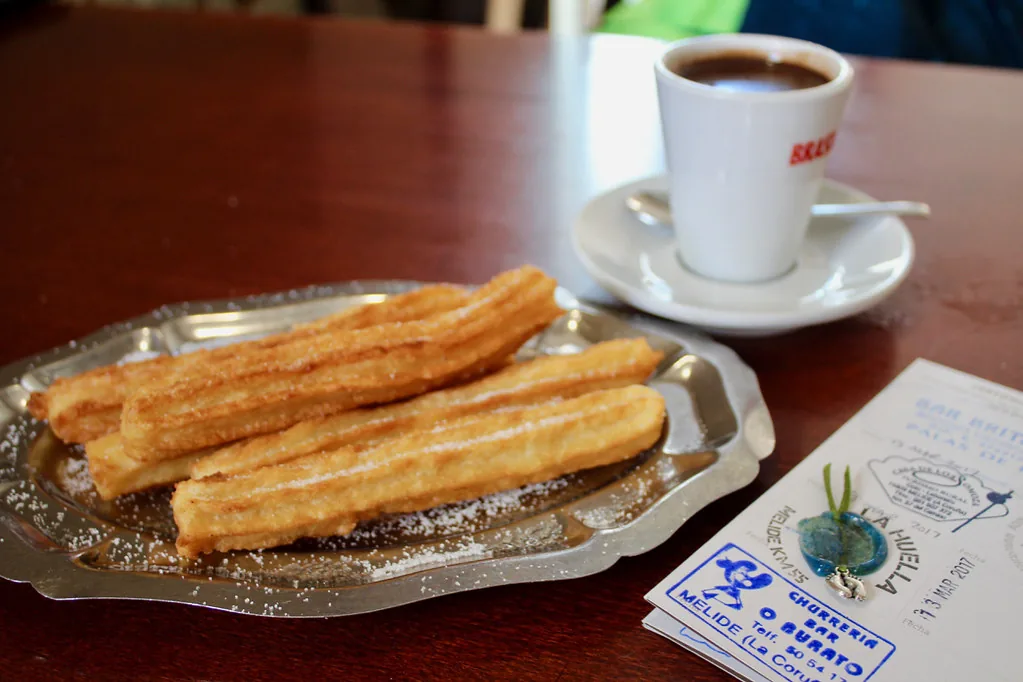
On the Camino, it is best to spread your food intake throughout the day: eat breakfast before setting out, have something while you walk, drink regularly and eat protein, vegetables and carbohydrates for dinner to help your body recover. Carry water and a small supply of nuts or energy bars, but avoid packing more food than you need if there are services along the stage.
At a glance
- Have wholegrain bread, fruit and nuts for breakfast to start the day with steady energy.
- Water needs depend on heat, effort and the distance to a confirmed refill point. Drink regularly and carry enough for that section with a margin; one litre is not a rule for every stage. Use drinking water only.
- While walking, eat small amounts of nuts, fruit, energy bars or a sandwich at regular intervals.
- For dinner, combine protein and vegetables with a source of carbohydrates to support recovery.
What to eat for breakfast before you start walking
Do not set off without breakfast, especially when you have a long stage ahead. A simple breakfast might include wholegrain bread with olive oil or butter, fruit, nuts and coffee. Complex carbohydrates provide steadier energy than a breakfast made up entirely of sugary foods.
Breakfast prices depend on the property and what is included. Confirm the offer before relying on it. If you plan to leave before the bar opens or breakfast is served, buy a few provisions the afternoon before. Add them to your Camino packing list so you do not discover at dawn that you have nothing to eat.
What to eat while walking to keep your energy up
Keep a small portion of food in an easy-to-reach pocket of your backpack. Nuts, fruit and energy bars are easy to eat without stopping for long, while a sandwich works well for a longer break. Carrying a backup snack also means you are covered if the first place you come to is closed.
Do not wait until your energy has run out before eating. Taking short breaks and paying attention to how your body responds is more practical than saving all your food for one big lunch. On a day such as the 22,20 km stage from Sarria to Portomarín, check in advance where you can stop or stock up.
Check the albergue and services finder before setting out. If there are bars or supermarkets along the route, you can buy food as you go. If services are limited, carry everything you need to complete the stage from the start.
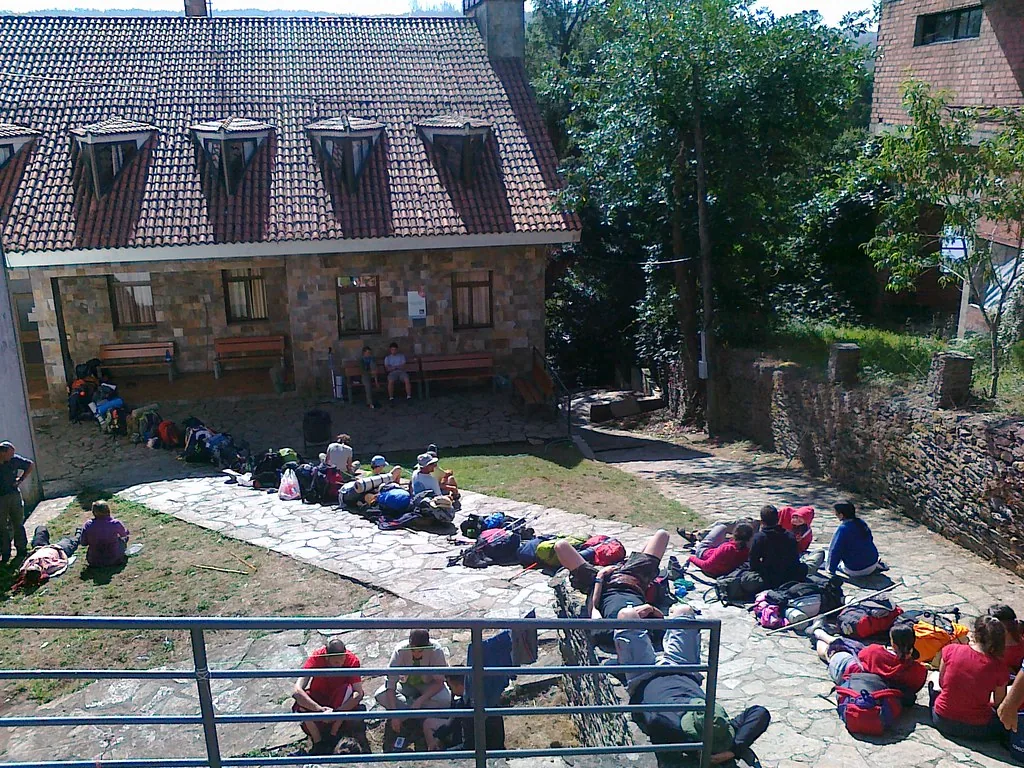
How much water to carry and when to drink
Water needs depend on heat, effort and the distance to a confirmed refill point. Drink regularly and carry enough for that section with a margin; one litre is not a rule for every stage. Use drinking water only.
Do not add salt to water by guesswork or use supplements routinely. If you need an electrolyte drink, follow the product instructions and ask a professional if you have medical restrictions. Food and drink should suit your situation. walking the Camino in July.
How much a pilgrim menu costs and how to save money
There is no universal price or set of dishes for a pilgrim menu. Check the price, drinks and dishes included before ordering. They usually include a starter, main course, dessert, bread and a drink. The portions are generous, the food is home-style and it is a good way to sample the local cuisine. A pilgrim menu can be your main meal after you finish walking or during a long break.
To save money, shop at supermarkets and make your own sandwiches. You can also mix and match: eat simple meals on some stages and choose a pilgrim menu on others. Before deciding, factor food into your Camino budget, as your daily spending will vary depending on whether you eat out or cook.
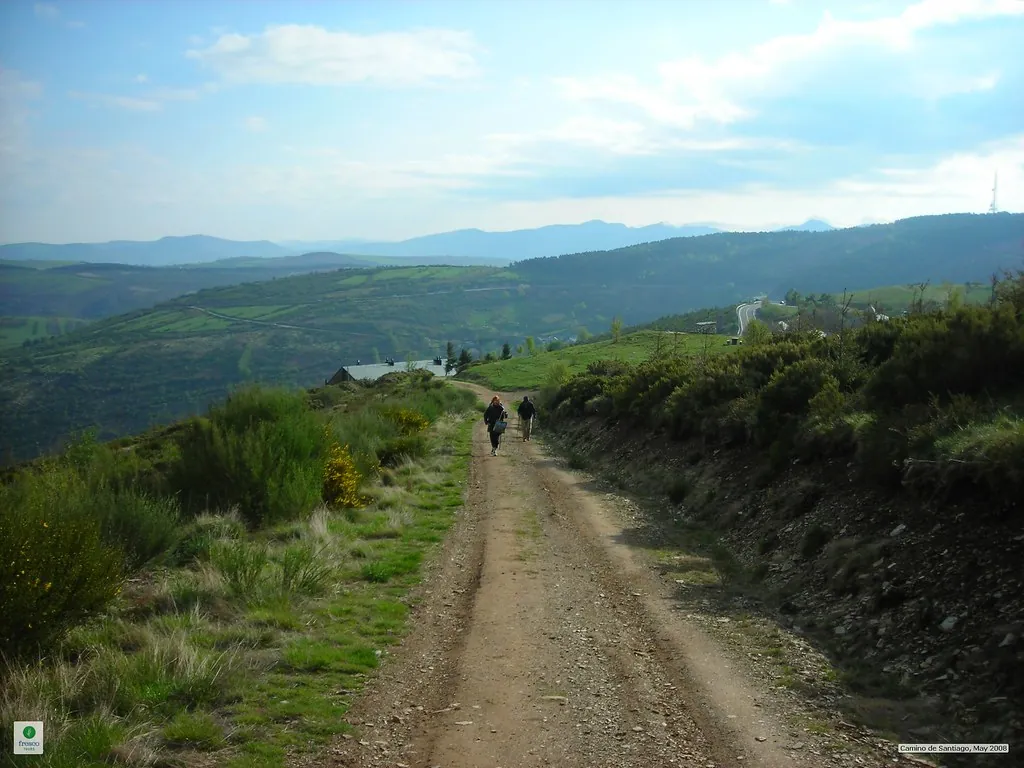
What to eat for dinner after a stage
Dinner should help your body recover. Prioritise a source of protein, such as pulses, fish, eggs or meat, and serve it with vegetables and a source of carbohydrates. There is no need to make it complicated: pasta, salad or an omelette are easy options when you have access to a kitchen.
Many albergues have a shared kitchen. Shopping and cooking with other pilgrims lets you split the cost and turns dinner into a sociable part of the day. Check which facilities your accommodation offers before you arrive. Our comparison of albergues and private guesthouses can help you choose.
If you have a large pilgrim menu at the end of the stage, adjust your dinner and keep it lighter. What matters is getting enough carbohydrates, protein, vegetables and water across the day as a whole, rather than eating another large meal out of habit.
How to plan food for a Camino stage
- The afternoon before: locate bars, supermarkets and fountains, and buy breakfast if you are leaving early.
- Before setting out: eat breakfast, fill your water bottle and keep your walking snacks somewhere easy to reach.
- During the stage: drink regularly, eat small amounts and stock up when you reach somewhere with services.
- On arrival: rehydrate, decide whether to have a full meal and prepare a balanced dinner.
Use the map of routes, stages and albergues to see what lies ahead. Planning is especially important when you set out early or cross a stretch with few services.
Planning food around your actual timetable
The evening before, check when the first shop opens and whether your accommodation really has a kitchen, utensils and a fridge. Decide what you can have for breakfast and what food will keep until the next stop; do not rely on an unconfirmed café. If you need to avoid an ingredient, ask about ingredients and cross-contamination before ordering, even when the dish looks suitable. A route divided into short stages can still have sections without services. Plan your reserve for that section and check what to pack to keep water and food within reach.
Frequently asked questions
How much water should I carry on a stage?
Water needs depend on heat, effort and the distance to a confirmed refill point. Drink regularly and carry enough for that section with a margin; one litre is not a rule for every stage. Use drinking water only.
What can I eat if I leave before the bars open?
Buy bread, fruit, nuts or energy bars the afternoon before. Eat something for breakfast before setting out and save some for the first few kilometres.
How much does a pilgrim menu cost?
There is no universal price or set of dishes for a pilgrim menu. Check the price, drinks and dishes included before ordering.
Is it better to eat during the stage or when I arrive?
It depends on your schedule and the services along the route. Eat small amounts while walking, then decide whether to have your main meal during a long stop or at the end of the stage. Avoid walking immediately after an excessively large meal.
Which foods help with recovery in the evening?
Combine proteins such as pulses, fish, eggs or meat with vegetables and a source of carbohydrates. Pasta, salad or an omelette are easy options if your albergue has a kitchen.
To prepare for the next day, find its fountains, shops and accommodation now using the Camino services finder, and buy only what you will need until the next stop.