













What to Pack for the Camino de Santiago
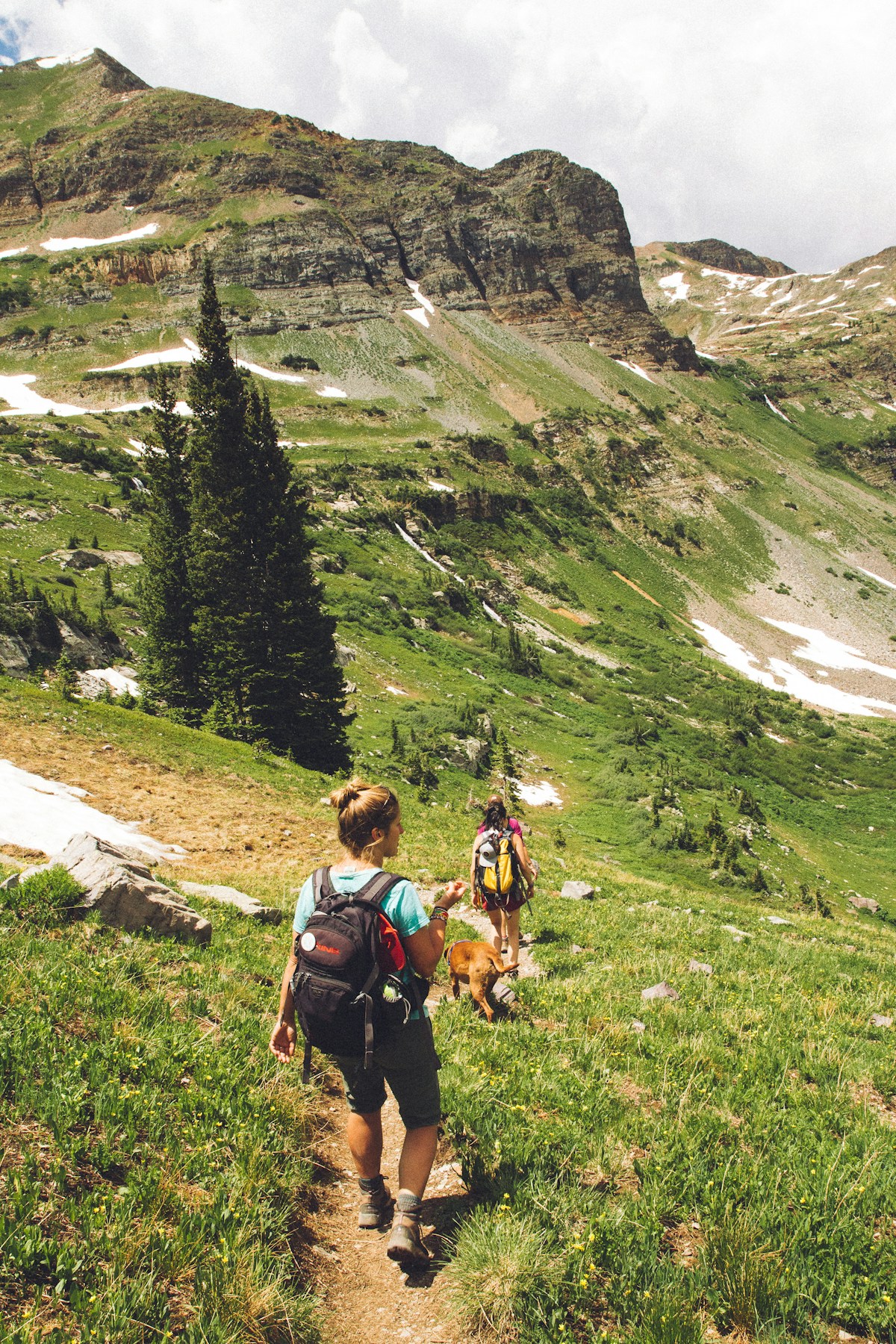
For the Camino, pack a 35- to 45-litre backpack with technical clothing you can layer, two or three changes of underwear, two pairs of hiking socks, convertible trousers, a waterproof jacket, a rain cover and lightweight sandals. Your main footwear should already be broken in, and your fully loaded pack should weigh no more than 10% of your body weight.
At a glance
- Choose a 35- to 45-litre backpack with good lumbar support and padded shoulder straps.
- Use three layers: a technical base layer, a fleece or softshell, and a lightweight waterproof jacket.
- Do not wear brand-new footwear: bring well-tested hiking boots or shoes, plus sandals for the albergue.
- Weigh your fully packed backpack and remove anything you added solely as a precaution.
What size backpack do you need for the Camino?
A capacity of 35 to 45 litres gives you room for the essentials without making extra space an invitation to fill it. A larger pack makes it all too easy to add clothes you will barely use, while one that is too small may force you to strap things to the outside.
Look for a model with good lumbar support and padded shoulder straps. You cannot judge comfort with an empty pack: load it with some weight, adjust the straps and walk with it before buying it or setting off. A load that feels manageable for a few minutes can feel very different after several hours.
As a practical limit, the total weight should not exceed 10% of your body weight. Include the backpack itself and everything inside it, not just your clothes. If it is too heavy, look again at duplicate items and anything you packed without knowing exactly when you would use it.
What clothes should you pack?
The simplest way to adapt to changing conditions is the three-layer system. Start with a breathable technical top, add a fleece or softshell as your mid-layer, and finish with a lightweight waterproof jacket. You can combine the three pieces as conditions change throughout the day, without carrying redundant clothing.
Add two or three changes of technical underwear, two pairs of hiking socks and a pair of convertible trousers that can be worn long or as shorts. Merino wool socks are a good choice. The priority is for every item to serve a clear purpose and work well with the rest of your kit.
Do not pack the same kit for every time of year. If you are going in the colder months, see how your gear requirements change when walking the Camino de Santiago in winter. If you will be walking in hot weather, read our advice on walking the Camino in July before you finish packing.
Hiking boots or shoes for the Camino?
Choose between hiking boots and shoes according to what feels comfortable and how much support you need. Many pilgrims prefer trail-running shoes because they are lightweight; if your ankles are weak, mid-cut boots offer more support. Our comparison of the best hiking boots and shoes for the Camino will help you decide.
One rule matters more than the type you choose: do not wear brand-new footwear on the Camino. It should be fully broken in before you set off. Wear it on training walks with your loaded backpack too, as this is much closer to a real day on the trail than a short, unweighted stroll.
Pack a pair of lightweight sandals for the albergues as well. They give you a simple second pair of shoes to change into at the end of each stage. Round out your preparations by reading up on foot care on the Camino and how to prevent and treat blisters.
How do you protect your backpack from rain?
Bring a waterproof rain cover. Rain can arrive at any point on the Camino, especially in Galicia, and a soaked backpack creates an avoidable problem at the end of the day. Before you leave, check that the cover properly fits your pack when it is fully loaded.
The cover protects your pack as a whole, while your lightweight waterproof jacket is part of your layering system. These items serve different purposes, so do not confuse the two or leave either one for an improvised purchase along the route.
How should you pack and check everything before leaving?
First, sort your kit by purpose: base layers, insulation, outer protection, main footwear and sandals. Then put everything into your backpack and adjust it. If something has to stay outside or is difficult to fit, review your selection before looking for a larger pack.
Next, weigh the fully loaded backpack and apply the 10% limit again. The most useful check is to take out each item and ask yourself when you will use it. If the only answer is just in case, it is probably not worth carrying through days that can last up to 8 hours.
Finally, go for a walk with your gear exactly as you will use it: loaded backpack, technical clothing and broken-in footwear. This trial run can reveal poorly adjusted straps, an uncomfortable load or clothes that do not work well together before your Camino begins.
Frequently asked questions
What size should a Camino backpack be?
35 to 45 litres is a suitable capacity for this kit. Fit matters as much as volume: look for lumbar support and padded shoulder straps, and try it on with weight inside.
How much should a Camino backpack weigh?
The total weight should not exceed 10% of your body weight. Weigh it fully packed, then remove duplicate items or clothes that do not have a specific purpose.
How many changes of underwear and pairs of socks should you pack?
Bring two or three changes of technical underwear and two pairs of hiking socks. Add a technical top, a mid-layer, a waterproof jacket and convertible trousers.
Can you wear new hiking boots or shoes on the Camino?
No. Your footwear should be fully broken in before you set off. Test it on walks with your loaded backpack and bring lightweight sandals for the albergues.
Do you need a waterproof backpack cover?
Yes. A good waterproof cover keeps your clothes from reaching the albergue soaking wet. Test it on your fully loaded backpack to make sure it covers it properly.
Get your backpack ready for your route
Once you have made your first selection, find your itinerary on the map of routes, stages and albergues, pack your backpack and take a training walk with the full load. When you get back, remove anything you do not need and weigh it again: that final check is often what truly lightens your Camino.