












Traslatio boat from Vilanova de Arousa to Padrón
In brief
Arrange the boat, confirm its departure point and tides, and plan the walk after disembarking. Check your Compostela requirements before booking.
The Traslatio from Vilanova de Arousa is booked for a specific date, and departure may be adjusted to the tides and navigation conditions. Confirm the pier, time and disembarkation point with your operator: a service advertised as going to Padrón may leave you in Pontecesures. From there, you need to organise your onward walk and next overnight stay. A ticket and a boat stamp do not guarantee the Compostela; check your requirements with the Pilgrim’s Office before choosing this itinerary.
What journey are you actually booking?
The word Traslatio refers to the Jacobean tradition of transporting the apostle’s remains by sea and river. In Camino planning, it usually describes the crossing of the Arousa estuary and the Ulla associated with the Spiritual Variant. Products using this name do not all have the same departure port, destination, route or service. Look for a crossing that fits your itinerary, rather than any excursion around the estuary.
If you have been walking the Spiritual Variant, coordinate the boat with your arrival in Vilanova and what you will do afterwards. If you follow the Portuguese Camino or the Portuguese Coastal Camino, check where you leave your route and where you rejoin it. A navigable section does not remove the earlier stages or let you start your pilgrimage at any port under the same conditions.
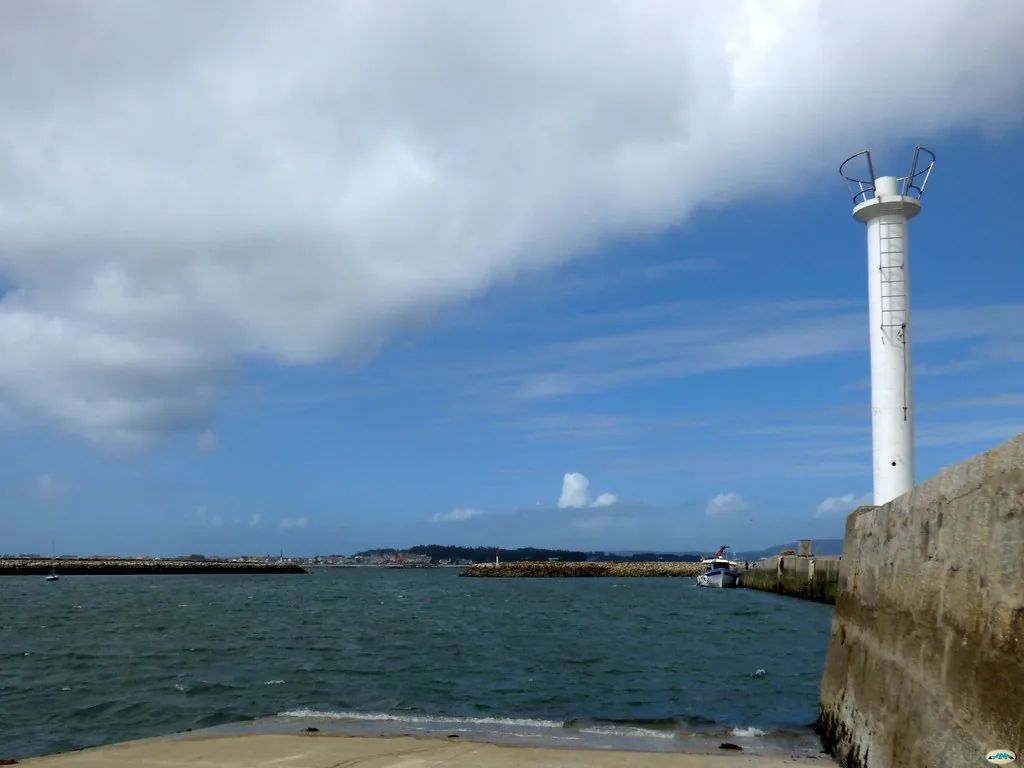
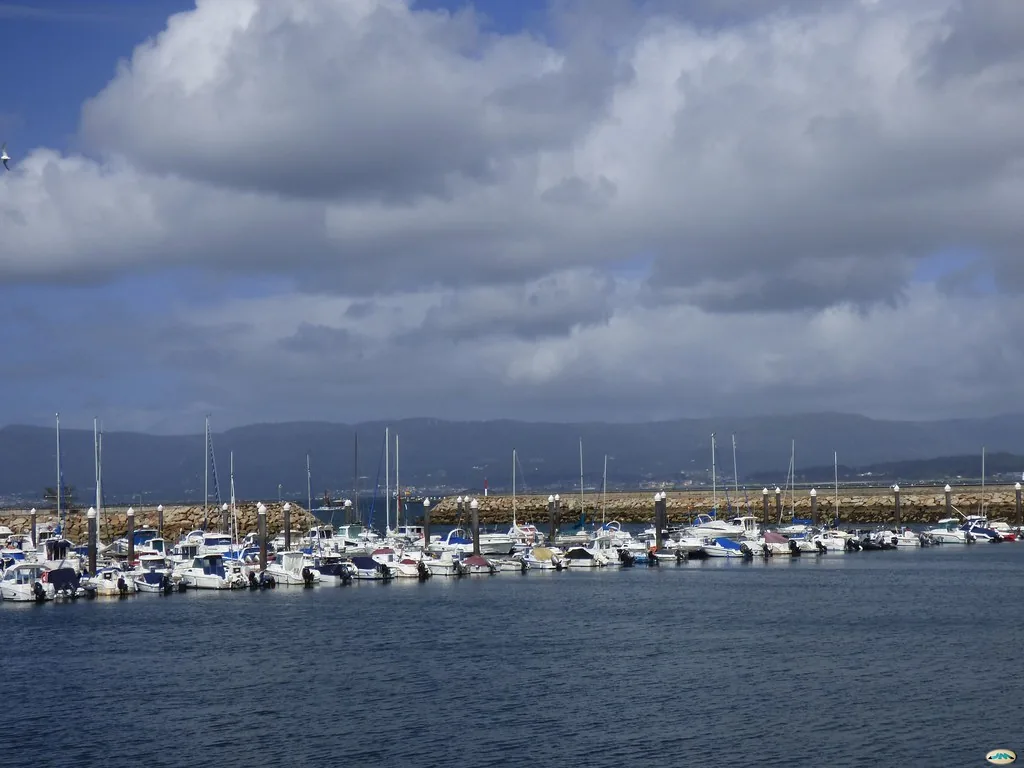
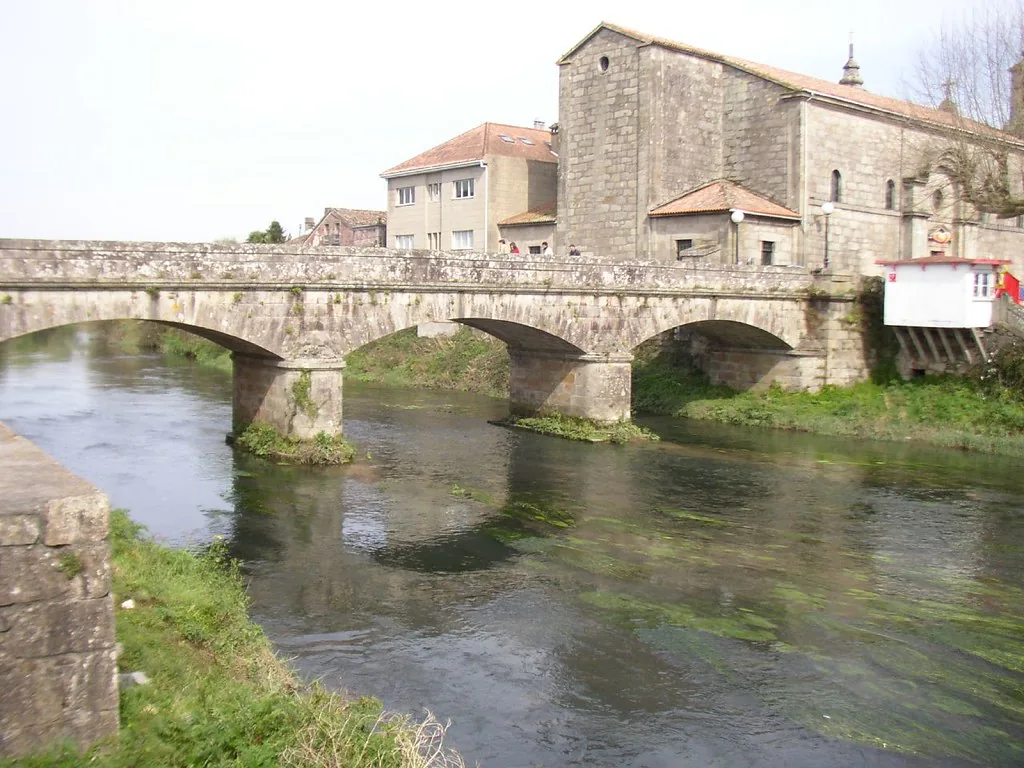
This guide focuses on booking and continuing your journey. It does not describe a personal sailing experience or recommend an operator based on having travelled with them. Information checked on 1 October 2026 comes from operators and the Pilgrim’s Office. The photographs illustrate the Portuguese Camino and its finish; they do not show the boats, piers or river conditions.
Operators: compare the confirmed service
El Barco del Peregrino advertises departures from Vilanova de Arousa’s maritime station and identifies Pontecesures as the disembarkation point, although it presents the route as Vilanova–Padrón. Amare Turismo Náutico also sells this crossing through its Barco Variante Espiritual brand. Its booking page offers the Vilanova–Pontecesures journey and warns that the departure time adjusts to the tides. These are verified options, not an exhaustive list or a guarantee of seats.
When comparing, check exactly what the product includes: one way or return, luggage, type of vessel, commentary, cancellation conditions and assistance. For continuing the Camino, a one-way journey usually meets a different need from an excursion returning to the original port. Do not assume that an activity or tasting is included in the basic transfer when making your booking.
Confirm the fare during booking for your date, number of passengers and service. A commercial page may show an amount without all its conditions or without reflecting a recent change. That is why we do not turn an advertised price into a universal budget or repeat an indicative time as a guaranteed departure. Keep the final amount and the operator’s confirmation.
When to book and what to ask
Do not wait until you are on the pier to check whether a boat fits your plan. Contact the operator when you know the date you can reach Vilanova, and read the conditions before paying. If your walking schedule may change, ask how to move the date and by what deadline. A flexible reservation can be more useful than securing a time you cannot reach after an overly long stage.
Arrange the crossing around your actual arrival at the port, rather than an ideal walking schedule. We do not assume you can leave Armenteira, finish the day’s walk and board that same day. Confirm whether a suitable departure exists; otherwise, add a night in Vilanova. Check accommodation and communicate your expected check-in time, especially if the service changes at short notice.
- Confirmed date and time, with the deadline for checking them again.
- Operator’s name, reservation number and a contact who will respond on departure day.
- Exact pier location and the requested arrival time before departure.
- Disembarkation point and any included land transfer.
- Explicit acceptance of luggage, bicycles, animals, mobility requirements or other special needs.
- What happens if weather, tides or an operational issue cause cancellation.
If you are a group, reserve the actual number of passengers and explain each person’s needs. Do not assume one person can buy at the last minute because the others already have places. Save the confirmation and conditions offline. If you book through an intermediary, clarify who will notify you of a change and who will handle a refund.
The boarding point: reaching Vilanova is not enough
The maritime station is a useful reference, but your operator’s confirmation should identify the exact place where you must report. Boats do not necessarily board at the same point, and commercial pages do not all describe access in equal detail. Ask for a location and the name of the vessel or staff member who will meet you. If you have time, check the route from your accommodation the previous afternoon.
Avoid improvising among port facilities before dawn. Follow authorised access routes and staff instructions, and do not enter a closed pontoon because you assume your boat is there. If works or a pier change are underway, use the latest location sent by the operator. The Camino map helps you get your bearings, but does not replace boarding instructions.
If you need help boarding, ask beforehand what access is like and whether the vessel can assist you. A step, gangway or movement of the boat can change the actual difficulty. We do not infer accessibility from a photograph. Travelling with children, a bicycle or an animal requires specific confirmation and safety conditions; another operator’s acceptance does not oblige yours to do the same.
Tides and weather: keep room in your day
Your booking may be adjusted to the tide, and the decision to sail also depends on safety and operations. A time you saw weeks earlier should not become the only foundation for your next stage. Reconfirm with the operator when to be at the pier and how you will receive notices. An advertised departure is not guaranteed to go ahead in every weather condition.
Prepare clothing that protects against wind and rain without restricting movement, footwear with grip, and protection for documents and your phone. Bring water and whatever you need during the crossing according to the service’s instructions. If you are prone to seasickness, ask a healthcare professional about suitable options; do not improvise medication or assume the boat will have what you need.
The crew’s instructions take priority during boarding and navigation. Ask about lifejackets and luggage placement, keep access routes clear and avoid standing up for a photo if it is unsafe. Do not arrange a tight land connection based on a promotional crossing duration. Disembarking and collecting backpacks also take time.
From Pontecesures to Padrón and onwards
If your confirmed disembarkation point is Pontecesures, the boat does not automatically leave you at the door of your accommodation in Padrón. Identify the walking continuation from the pier and where you join the land route. Check the actual distance to your booked accommodation on the map, as it may be outside the centre. We do not present a single distance as valid for every pier and lodging.
You can sleep in Padrón and prepare the next day from there, or keep walking if arrival time, weather and your legs allow. Use the planner to adapt the following day to the boat’s confirmed schedule. If you need shorter days, consult the short stages guide. Do not turn a late disembarkation into an obligation to walk at night.
If you use backpack transport, coordinate its destination too: the luggage company may follow a different land route from yours. Confirm collection, delivery and who will receive the bag. The backpack transport guide helps you organise this, but a booking for road stages does not mean your backpack will travel with you on the boat.
The Compostela: check the route, not the advertisement
For pilgrimage on foot, the Pilgrim’s Office requires 100 continuous kilometres towards Santiago on the same route recognised in its system, including the stage immediately before arrival. Its page distinguishes walking from sailing pilgrimage, which requires 100 nautical miles followed by walking from the disembarkation port. A tourist Traslatio crossing does not by itself establish either set of conditions.
Before choosing the Spiritual Variant within a minimum-distance itinerary, ask the Office about your case: starting point, complete route and boat section. We do not guarantee a Compostela starting from Vilanova or add sailed kilometres to walked ones. A boat stamp documents a visit; it does not replace validation of the whole journey. A commercial promise does not change the Cathedral’s criteria either.
Keep a pilgrim credential with dates and stamps from places where you have actually been. To understand the process and conditions, read the Compostela guide. If you have questions or special circumstances, ask before leaving; resolving them with the itinerary in front of you is more useful than arguing about a ticket when you reach Santiago.
A backup plan if you cannot sail
First ask the operator what alternative it offers and what refund or change conditions apply. If you can wait a day, confirm another departure and an extra night before reworking the rest of the journey. If you must continue, compare land connections for your date and destination. We do not offer one line or frequency as a universal plan: you must verify the service you can actually use.
If you want to continue on foot, prepare a verified land route with overnight stops and safe access. Do not walk along port roads or riverbanks without a checked route to reproduce the boat’s course. If the Compostela is part of your goal, ask about the effect of the alternative before assuming a bus or train preserves the same requirements. Your backup plan must address both how to arrive and what journey you can document.
Notify your next accommodation and the backpack company if your day changes. Review your onward reservations from Santiago too: a boat cancellation should not force you to improvise an international connection without a margin. The Santiago to Porto return guide helps check that final chain of connections. Keep your decision flexible and documented rather than forcing an unsafe departure.
Frequently asked questions
Does the boat arrive in Padrón?
The services checked advertise the route towards Padrón, but identify Pontecesures as the disembarkation point. Confirm the exact destination and arrange the final stretch to your accommodation from there.
What time does the Traslatio leave?
There is no universal time we can guarantee. Departure may adjust to tides and operations. Use the confirmed time in your reservation and reconfirm it according to the operator’s instructions.
Do I need to book?
Enquiring and booking beforehand lets you check whether there is a useful departure and a place for you. Operator pages do not guarantee availability on the day you arrive or automatic acceptance of special luggage.
Do the boat and its stamp entitle me to the Compostela?
Not on their own. The Office assesses the route and the conditions of the applicable pilgrimage mode. Ask about your starting point and boat use beforehand, especially if you plan to walk only a minimum distance.
What should I do if bad weather cancels the crossing?
Check changes or refunds with the operator, confirm a night if you decide to wait, and verify a land alternative if you must continue. Notify accommodation and luggage transport; also check the effect on your eligibility.
Cover photo: juantiagues · CC BY-SA 2.0 · WebP.