










Pilgrim stories · French Way

From O Cebreiro to Santiago with my parents, fifteen years later

Translated from Español · See original

Seven days from O Cebreiro to Santiago with my parents in the summer of 2011: the mist at first light, my father's knee, the octopus in Melide and the square at the end. Fifteen years later, I want to do it again with my children.

Jose Ramón July 2011 · 7 days · 160 km

Day 1 · 16 July

O Cebreiro – Triacastela: the mist that started it all

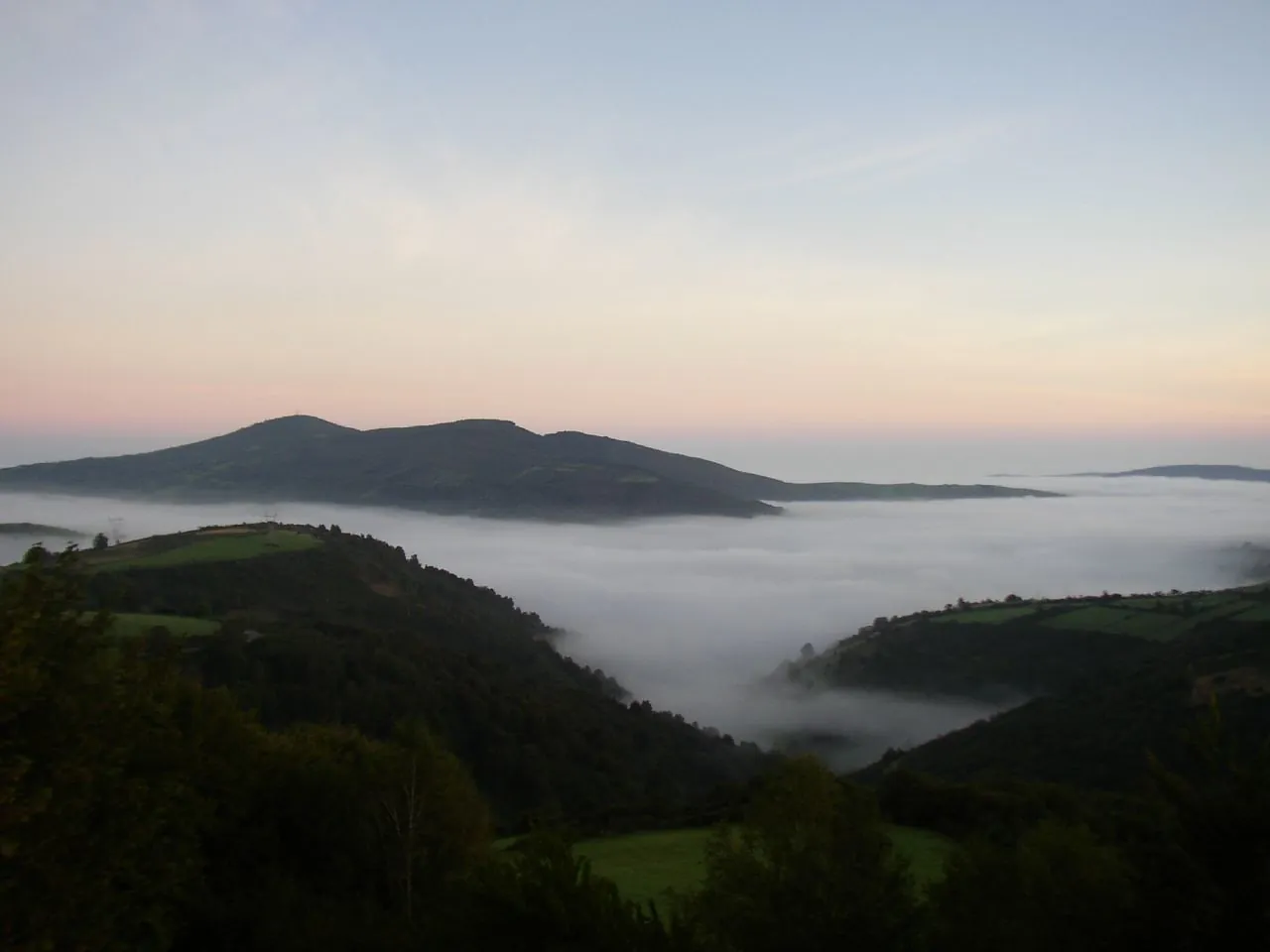
My father opened the door of the palloza at half past six, looked at the mist covering the whole valley and said, “Well then, let's go.” There was no speech beyond that. Fifteen years later, I still think that's how the important things begin.

We had arrived in O Cebreiro the afternoon before, in a taxi from Pedrafita, all three of us quiet, our new backpacks on our laps. My mother had bought her walking poles in a sports shop in Madrid two days earlier and they still had the labels on. We had broth and Cebreiro cheese for dinner at the inn, and my father, sixty-two years old and with a knee that was already giving him warning signs, said he was going to bed because “we have an early start tomorrow”. I didn't sleep a wink.

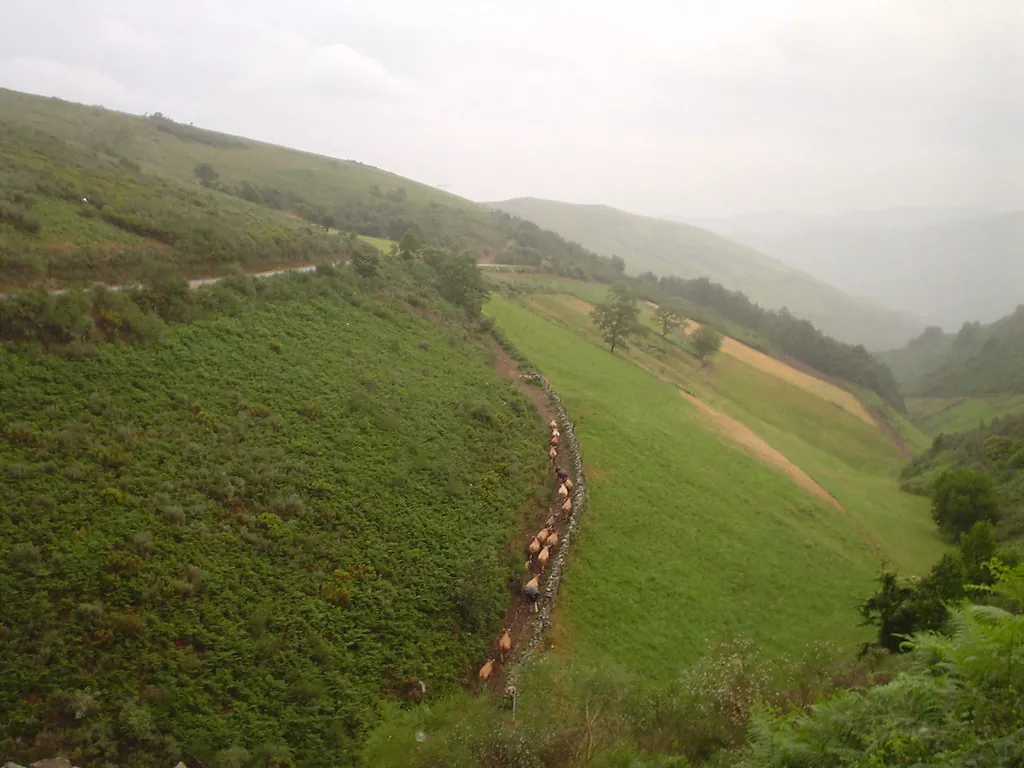
Dawn up there is one of those things you can't quite put into words. A sea of white clouds covered the whole of Galicia, and the mountains rose out of it like islands. We walked down through Liñares and Hospital da Condesa with cold hands, and at Alto do Poio, after the day's only serious climb, my mother ordered the first coffee with milk of the trip and drank it looking out into the distance, saying nothing, with that expression she wore when she loved something.

The descent to Triacastela

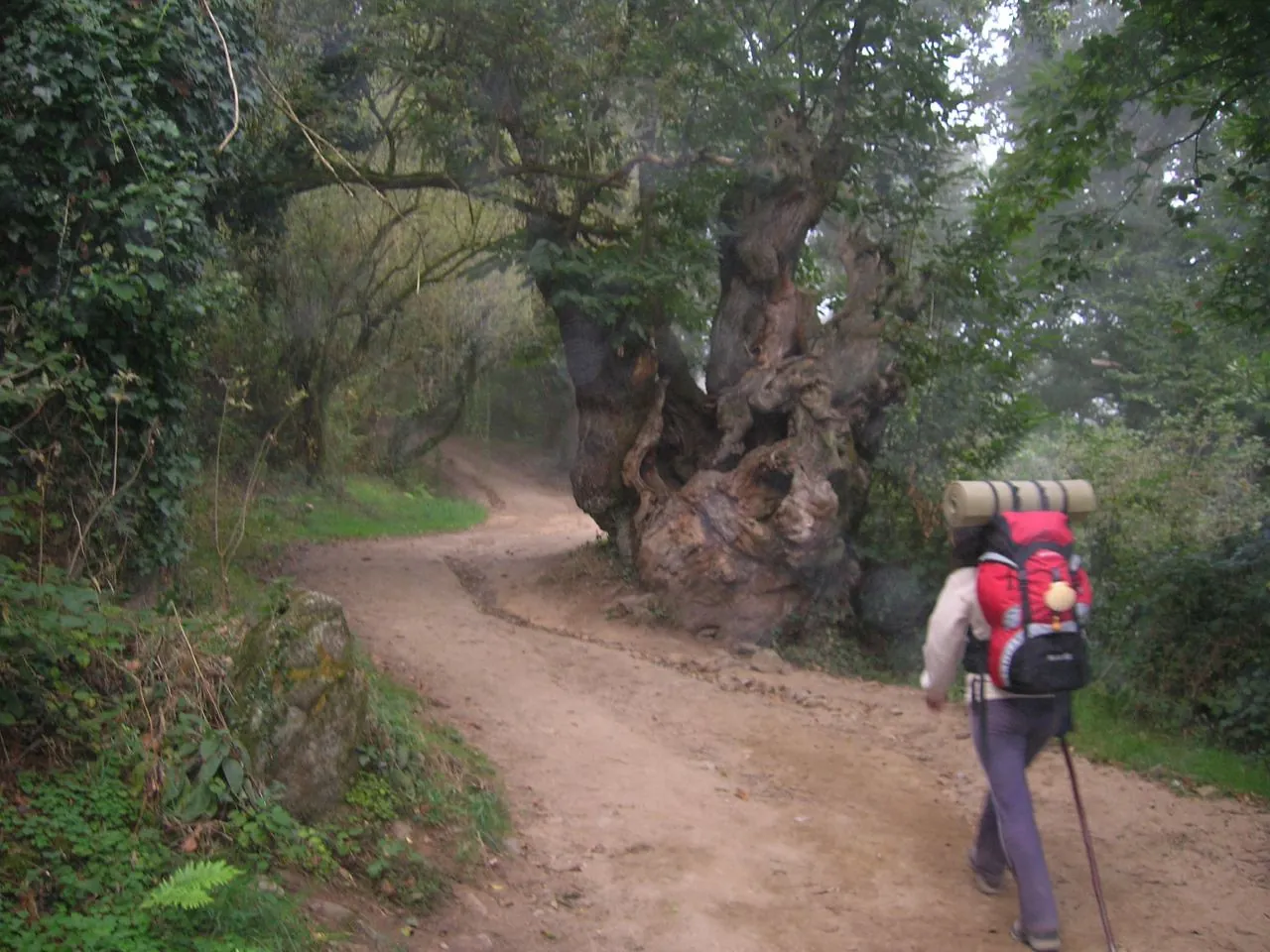
What nobody had told us was that going down is more tiring than going up. From Fonfría to Triacastela, there are ten kilometres of descent among centuries-old chestnut trees, and my father's knee began to hurt in Biduedo. We went down slowly, stopping at every wall, and learnt our first lesson: the slowest person sets the group's pace, and that's not up for debate.

Triacastela welcomed us with a cold fountain and an open pharmacy. A knee brace, ibuprofen and an enormous dinner. My mother wrote down in a notebook how far we'd walked. That notebook is now this diary.

Distance
20.6 km
Mood
Radiant
Slept at:
Albergue de Triacastela

Day 2 · 17 July

Triacastela – Sarria: via Samos and its monastery

In Samos, sitting on the monastery steps, my father admitted he wasn't sure he could manage the whole Camino. My mother said, “Today, all we have to do is get to Sarria.” That was the phrase we used for the rest of the trip.

In Triacastela, the Camino splits in two and you have to choose: the shorter branch through San Xil or the longer one through Samos. We chose Samos for the monastery, and because my mother, who had gone to a convent school, wanted to see it. The route descends through a narrow valley, hugging the river Oribio, past hamlets of three houses and through a silence broken only by cows.

The monastery of Samos appears all at once, far too big for the village around it. We sat on the steps to eat Spanish omelette sandwiches, and there my father said quietly that he wasn't sure he'd last. His knee was swollen and he had seven days ahead of him. My mother didn't let him finish: “Today, all we have to do is get to Sarria.” There was a silence, my father nodded, and we started walking again.

The kilometre that changed things

From Samos to Sarria, the path rises and falls through oak and chestnut woods, and on a stretch between Aguiada and San Mamede a group of Koreans overtook us, singing as they went. My father, who doesn't speak a word of English, ended up walking with one of them for half an hour, communicating with gestures. When they said goodbye, they hugged. That's the Camino you won't find in the guidebooks.

Sarria seemed like an enormous city after two days of hamlets. We stayed in a guesthouse because my mother wanted a private shower. Now that I have children, I understand that alternating between pilgrim hostels and guesthouses isn't cheating: it's how you keep going.

Distance
25.0 km
Mood
Good
Slept at:
Pensión en Sarria, habitación triple

Day 3 · 18 July

Sarria – Portomarín: the 100-kilometre marker

In Ferreiros, my mother had her photo taken with her arms around the 100-kilometre marker and said to me, “Keep it. One day you'll want to show it to people.” It's been in our living room ever since.

We left Sarria at seven, with the town still asleep. The climb up calle Maior and the steps to the church of Santa Mariña left all three of us breathless, even though we hadn't been walking for ten minutes. Then the Camino becomes a corridor between moss-covered stone walls, with Barbadelo and its Romanesque church as the first stop and a second breakfast that had already become a tradition.

That day we met Marisa, a woman from Valencia who was walking alone from Roncesvalles and had been on the Camino for four weeks. She told us she'd set off “to think” and that by then she wasn't thinking about anything any more, just walking. She and my mother were inseparable all the way to Santiago, and they still write to each other today.

Kilometre 100

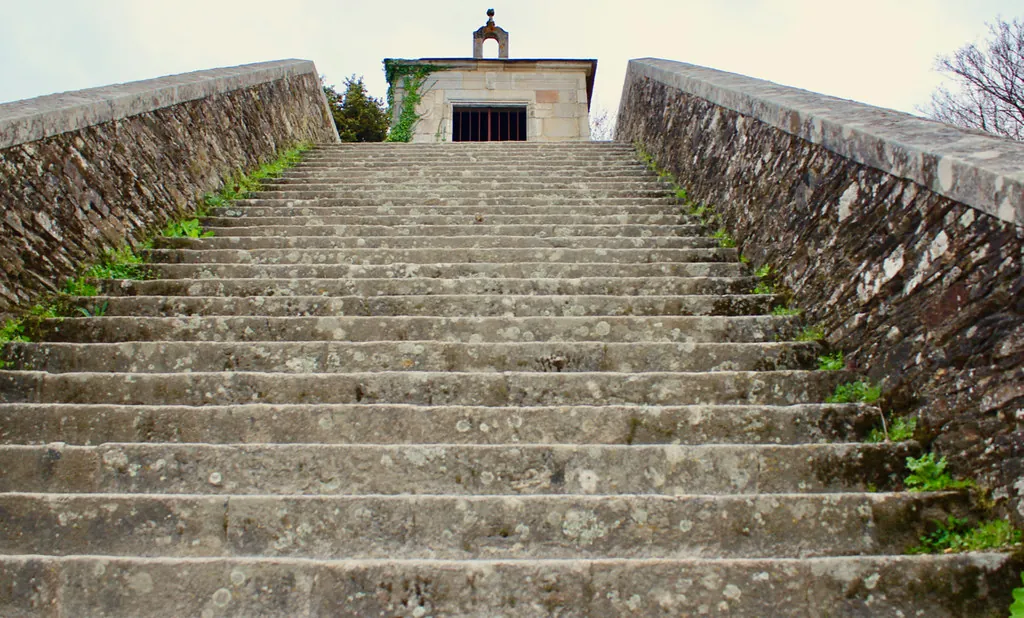
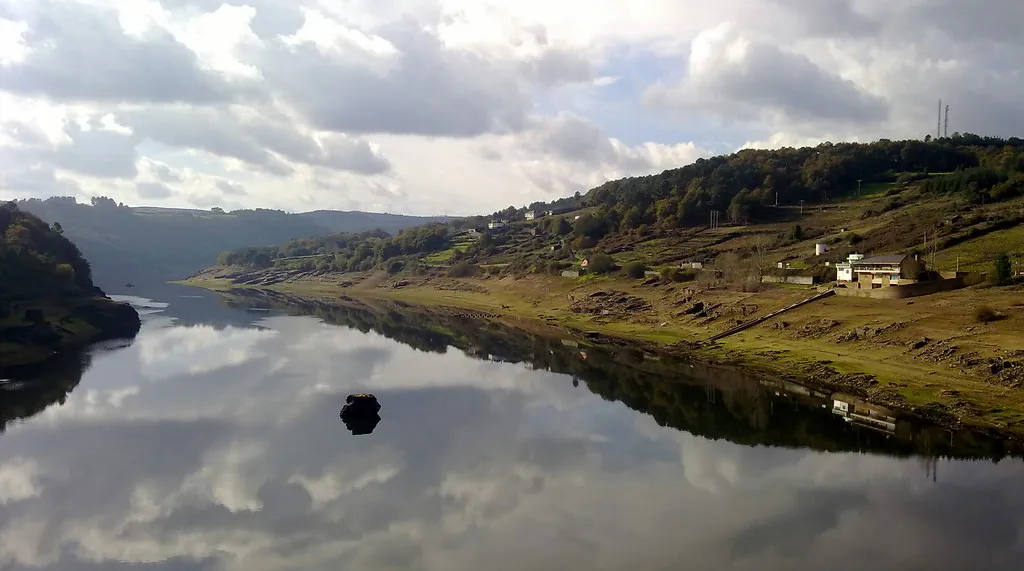
In Ferreiros we saw the 100-kilometre marker, and that was when it struck me what we were doing. We took a photo of all of us, and another of my mother on her own, hugging the stone as though it were a member of the family. Crossing the Belesar reservoir to enter Portomarín, with the steps at the end and the whole town moved stone by stone when they flooded the valley, was the first moment my father said, “We're going to finish this.”

A piece of advice I learnt that day and repeat to everyone who asks: tape your feet before a blister appears, not afterwards.

Distance
22.2 km
Mood
Radiant
Slept at:
Albergue municipal de Portomarín

Day 4 · 19 July

Portomarín – Palas de Rei: the stage of conversations

On the climb to Sierra de Ligonde, my mother told me things about her childhood she'd never told me before. Three people walking in single file talk more than they do over twenty Sunday lunches.

The day began grey, with the feeling that our bodies were complaining about everything. Leaving Portomarín over the bridge and climbing through the pines to Gonzar is easier if you don't look at your watch. My father walked ahead with his knee brace, setting a pace that would stay the same for the rest of the trip: slow, steady, without stopping on the hills.

In Castromaior we had a second breakfast, and my father discovered Galician broth as a mid-morning meal. He didn't order anything else for five days. I learnt that on the Camino you eat when there's somewhere to eat, not when it's mealtime, and that a bar with its door open at ten in the morning is a gift.

Ligonde

The climb to Sierra de Ligonde is long and has no shade, and it was where my mother began to talk. She told me about her village, about her father who emigrated to Germany, about a boyfriend she'd had before my father, whom my father, walking ten metres ahead, learnt about that day. They both laughed. Three people walking in single file talk more than they do over twenty Sunday lunches, because nobody has to look anyone else in the eye.

Palas de Rei appeared when we'd almost given up expecting it. We had dinner in a bar with the Tour de France on television and went to bed at nine like children.

Distance
24.8 km
Mood
Good
Slept at:
Pensión en Palas de Rei

Day 5 · 20 July

Palas de Rei – Arzúa: the long stage and the octopus in Melide

Melide, octopus at eleven in the morning, three plates and a jug of ribeiro. My father called it “the best decision of the trip”. I called it “the reason the afternoon went on for ever”. We were both right.

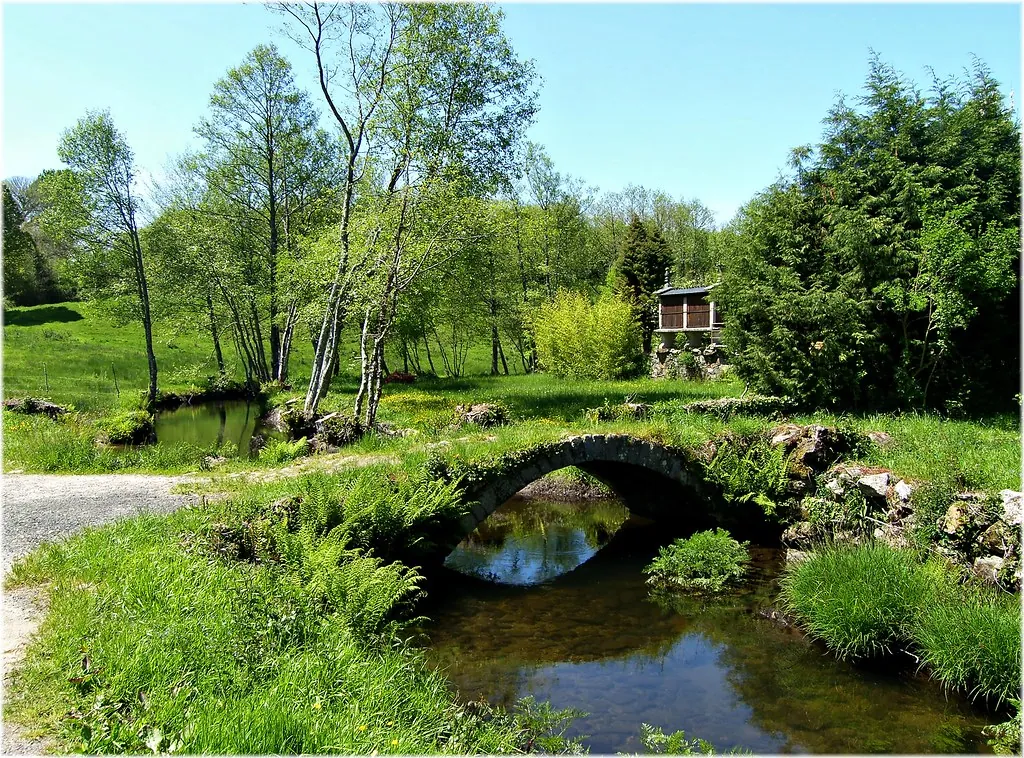
We knew it was the hard day, and it still took us by surprise. We left Palas de Rei in the cool of the morning, crossed the river Pambre, and the stretch of woodland to Leboreiro was one of the most beautiful parts of the trip: single-arched medieval bridges, chestnut shade, the sound of water. Marisa, the woman from Valencia, caught up with us in Casanova, and we stayed together from then on.

In Melide we made the obligatory stop at an octopus restaurant. It was half past eleven in the morning, and the place was full of pilgrims with their boots undone. With fifteen years of hindsight, eating like that halfway through a stage was a wonderful mistake I'd make again. What I don't tell people at home is that, at that table, with the bus timetable on my phone, I thought about giving up. I've told that elsewhere, in a separate story.

From Melide to Arzúa

From Melide to Arzúa there are lots of short, treacherous climbs. My father's knee had been hurting since Boente, and we slowed to the pace of a procession. We learnt to walk at the slowest person's pace without making it a problem: nobody said anything, nobody looked at their watch. In Ribadiso, the hostel by the river was so tempting we almost stayed; my mother said we were getting to Arzúa that day, and we did.

We reached Arzúa late in the afternoon, exhausted, and had tetilla cheese with quince paste for dinner. That night we slept as we hadn't slept in years.

Distance
28.5 km
Mood
Tired
Slept at:
Albergue privado en Arzúa, literas bajas

Day 6 · 21 July

Arzúa – O Pedrouzo: the day we eased off

It rained all morning and it didn't matter. My mother walked along singing Serrat songs under her poncho. I think that was the day all three of us realised we no longer wanted it to end.

A deliberately short stage, with rain. My father's knee held up thanks to the brace from the pharmacy in Arzúa and a Sunday-stroll pace. We set off late, at half past eight, which on the Camino is almost midday, and we didn't care at all.

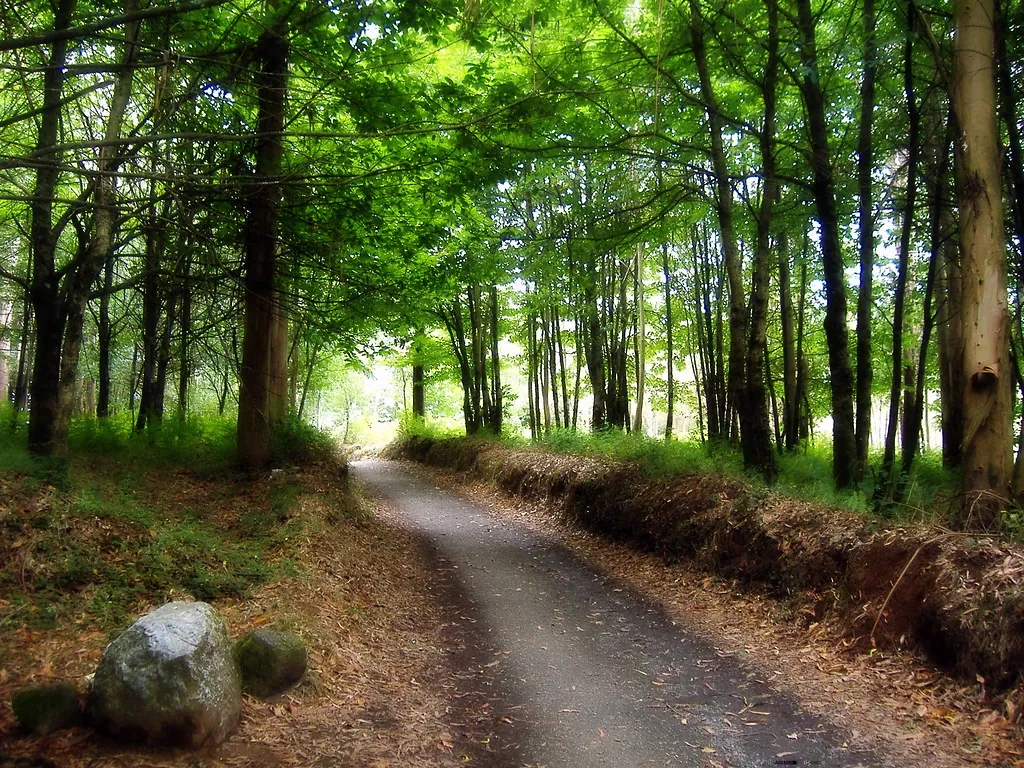
The stretch of eucalyptus trees between Salceda and Santa Irene, with the fine rain and the smell of wet earth, is one of my favourite memories of the whole trip. We barely spoke. We didn't need to. My mother sang “Mediterráneo” under her poncho and my father, who hates Serrat, let her sing.

Stopping just to stop

We stopped at every bar we found, not because we were hungry, but because we wanted to stay there a little longer. In A Calzada, an elderly man stamped our pilgrim passports on his porch and gave each of us three cherries. In Santa Irene, the chapel seemed to us the most beautiful church in the world, probably because it was the last one before Santiago.

In O Pedrouzo we did our laundry, played cards and planned the next day's arrival as though it were a military operation: departure time, meeting point, who would carry the camera. Nobody said it was the last night.

Distance
19.3 km
Mood
Good
Slept at:
Albergue en O Pedrouzo

Day 7 · 22 July

O Pedrouzo – Santiago: Praza do Obradoiro

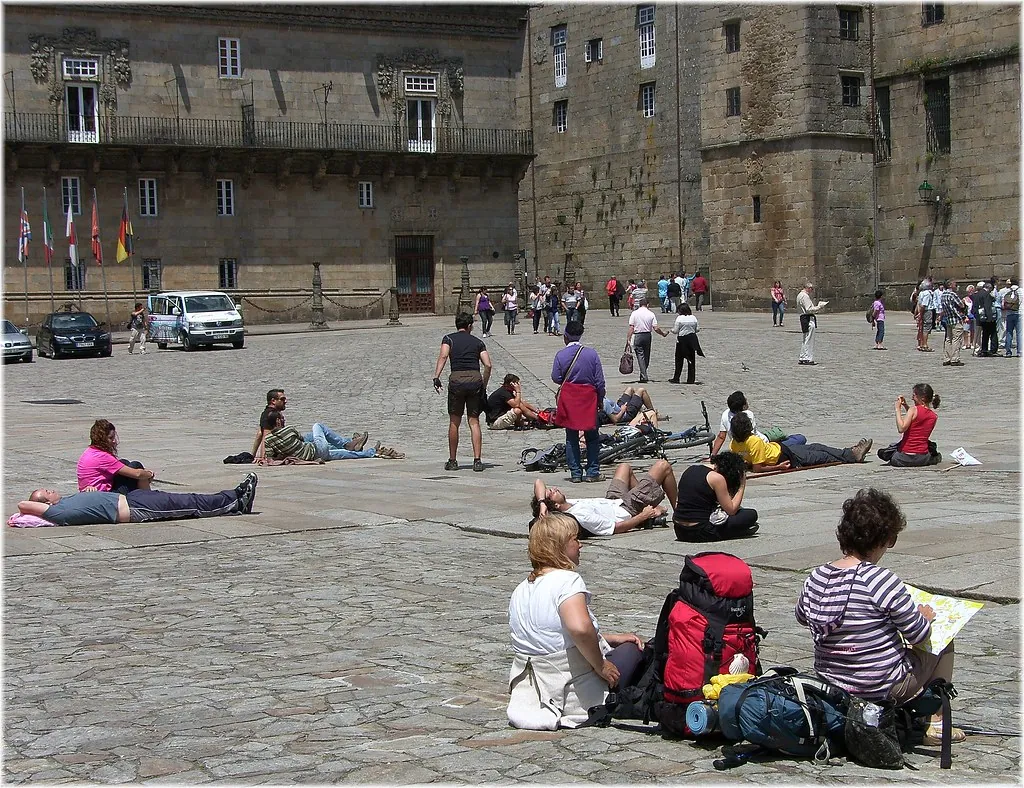
My mother sat down on the ground in Praza do Obradoiro, looked at the cathedral façade and burst into tears. My father put his hand on her shoulder and said nothing. I took the photo that hangs in my living room today.

We set off in the dark, wearing head torches, through the eucalyptus woods towards Amenal, and for the first time in seven days my father was at the back: not because of his knee, but because he didn't want to arrive. At Monte do Gozo we saw the cathedral towers, small and distant, and hugged as though we'd already made it. There were still four and a half kilometres of tarmac left, and they seemed endless.

We entered through Porta do Camiño, walked down Casas Reais, and as we passed under the arch of Pazo de Xelmírez, with the sound of bagpipes, seven days came to an end and something else began. My mother sat down on the ground in the square, looked at the façade and began to cry quietly. My father put his hand on her shoulder. I took the photo.

Fifteen years later

We went to the pilgrims' Mass, watched the botafumeiro swing through the air and ate in a tavern on rúa do Franco until they made us leave. Marisa gave each of us a shell. My father slept for fourteen hours straight.

Fifteen years later, my father can no longer walk twenty kilometres, and my mother reminds us of it every summer. My children are now nine and twelve. The plan is to walk these same seven days with them, starting at the same palloza in O Cebreiro, and let them carry the camera. If you're thinking about doing the Camino with your parents, don't think about it any longer. We have fewer summers than we imagine.

Distance
19.4 km
Mood
Radiant
Slept at:
Hostal en el casco viejo de Santiago, dos noches