The stage, step by step
Leaving O Cádavo and the initial descent
Leave O Cádavo with your shopping done: Alpi, Casa Ría and Claudio are near the start, along with restaurants such as Moneda, Mesón A Marronda, Eligio, Restaurante Neireo and A' Plaza. The route drops decisively between km 2.3 and km 7, where you lose 261 m at an average gradient of 5.5%.
Castroverde as the halfway point
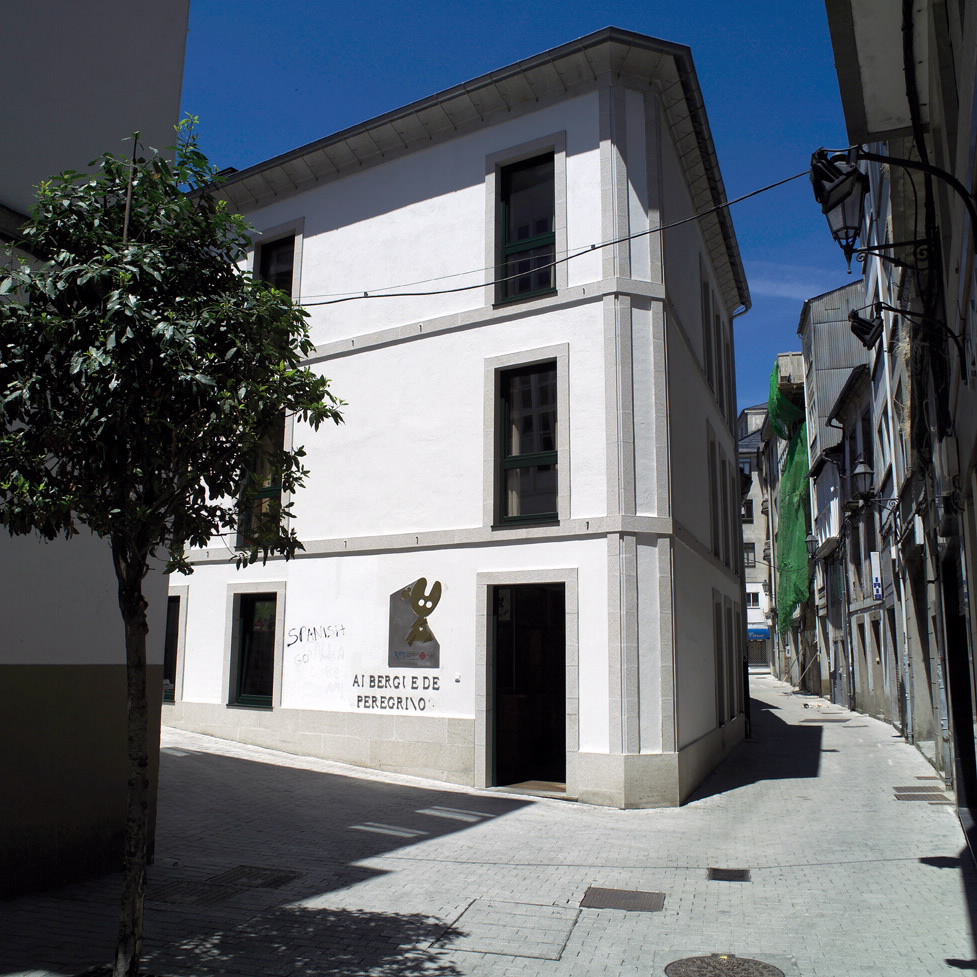
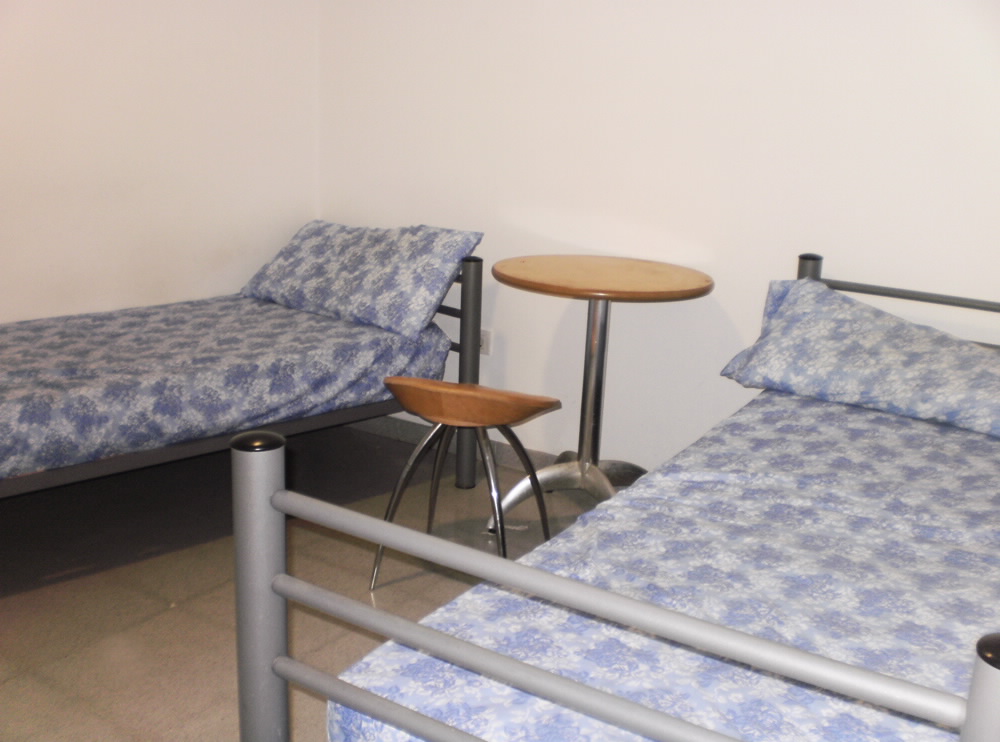
Reaching Castroverde breaks up the first half of the stage and offers a good chance to rest. Albergue de Peregrinos de Castroverde is here, along with Pereira III, Pereira II, Roma and A Lenda for food or a drink.
The middle section and A Pociña de Muñiz
After Castroverde, the route becomes more gently rolling, although there are still small undulations. Fonte do Trabado appears well into the first half, and A Pociña de Muñiz is a useful passing and accommodation reference before the final section.
The long approach to Lugo
From km 23 to km 28.3, the route continues to descend gently, but the distance begins to tell. Then comes a final climb between km 28.3 and km 29.5, followed by an urban approach where you need to watch the traffic until you reach the walls and the centre of Lugo.
What to see on stage 9
Muralla Romana de Lugo
The 3rd-century defensive walls completely surround the old town. They retain a perimeter of 2,266 m and 71 towers, and are the only Roman walls in the world to preserve their original perimeter in its entirety.
Catedral de Santa María de Lugo
Construction of the cathedral began in 1129, and it brings together Romanesque, Gothic, Renaissance, Baroque and Neoclassical features. Look out in particular for the Romanesque north door and the chapel of the Virgen de los Ojos Grandes.
Basílica de Santa Eulalia de Bóveda
This early Christian structure from the 3rd and 4th centuries preserves distinctive early-period frescoes. It offers a different kind of visit related to Lugo, especially if you extend your stay in the city.
Where to sleep in Lugo
In O Cádavo, you can start from Albergue San Mateo, Albergue de Peregrinos do Cádavo (Baleira) or Albergue Porta Santa. If you prefer to split the stage, Albergue de Peregrinos de Castroverde is the main intermediate option, while A Pociña de Muñiz offers another possibility further on. In Lugo, you have Albergue de pelegrins Municipal de Lugo, Albergue de Peregrinos de Lugo, Albergue Casa da Chanca, Shiku, Hostel Portón and Albergue Nazaret.
Where to eat and refuel
In O Cádavo, you can have breakfast and shop before setting off at Moneda, Mesón A Marronda, Eligio, Restaurante Neireo, A' Plaza, Alpi, Casa Ría and Claudio. In Castroverde, there are Pereira III, Pereira II, Roma and A Lenda, followed further on by A Pociña de Muñiz. Options become plentiful on entering Lugo, with APeTéCeMe, El gran sibarita gastrobar, Botafumeiro, Cafetería Irmandiños, Los Roper's, Tapas Cunqueiro, Cafetería Metropol, Roque cafetería and Panadería Manso.
Practical tips for this stage
Set off early
Distance, rather than mountains, is the main challenge. With an average walking time of 8.6 hours, a late start increases the risk of reaching Lugo without daylight and with the urban approach still ahead.
Break the stage in Castroverde
Castroverde comes at a useful point for resting and replenishing your supplies. If the initial descent has tired your legs, make use of the albergue and services before continuing.
Do not be fooled by the gentle profile
Although the total ascent is 337 m, the stage includes several descents and a final climb between km 28.3 and km 29.5. Save energy for the last kilometres, not just for reaching the outskirts.
Take care on the urban approach
The approach to Lugo changes the rhythm of the Camino, with traffic and more crossings than on the rural sections. Follow the signs carefully and stay alert on the roads into the city.
Frequently asked questions about stage 9
Is it a difficult stage?
It is long, at 30.2 km and an average of 8.6 hours, but the elevation is moderate, with 337 m of ascent. Most of the tiredness comes from walking steadily for many hours.
Where can I split the stage?
Castroverde is the most practical halfway point. It is roughly midway along the route and has Albergue de Peregrinos de Castroverde, as well as places to eat and shop.
Is there a steep climb on the approach to Lugo?
There is a final climb between km 28.3 and km 29.5. It gains 54 m at an average gradient of 4.5%, and comes after an already very long day.
What is worth visiting at the end?
Muralla Romana de Lugo and Catedral de Santa María are the two main visits. The walls retain 2,266 m of perimeter and 71 towers, while the cathedral brings together architectural features from several periods.